

In the Australian aesthetic market, the line between a clinical breakthrough and a regulatory breach is thinner than a 34-gauge needle. You likely recognise that patient safety is the cornerstone of a successful practice, yet the distinction between professional-grade equipment and unlisted imports often remains blurred by aggressive digital marketing. Understanding what is TGA approved microneedling is no longer just about compliance; it’s about protecting your professional reputation and ensuring your clinic’s insurance remains valid in an increasingly scrutinised landscape.
This clinical guide clarifies the rigorous safety standards and the 2026-2027 TGA compliance principles that now govern our industry. You’ll learn how the implementation of the Unique Device Identification (UDI) system affects your device selection and why mandatory adverse event reporting is now a legal requirement for high-risk equipment. We provide a clear framework for verifying ARTG listings and explain how choosing precision-engineered tools, such as the Mesopowerpen, delivers the superior results your patients expect while securing your commercial viability.
Key Takeaways
- Understand the legal definition of therapeutic goods and why an ARTG listing is the only valid indicator of a device’s safety and legality within the Australian market.
- Learn exactly what is TGA approved microneedling by exploring how precision engineering prevents micro-tearing and ensures consistent, vertical needle penetration for superior clinical outcomes.
- Identify the critical differences between professional-grade equipment and high-risk imports to protect your practice from legal repercussions and potential insurance voids.
- Discover practical steps to verify a device’s compliance, including how to locate ARTG numbers and assess manufacturer credentials against rigorous international standards.
- Elevate your service menu by pairing TGA-compliant technology like the Mesopowerpen with advanced formulations to achieve a fusion of medical efficacy and luxury aesthetics.
Defining TGA Approved Microneedling in the Australian Market
Precision is the hallmark of modern aesthetics. Often referred to as Collagen induction therapy (microneedling), this clinical procedure involves creating thousands of controlled micro-punctures in the skin’s surface. These microscopic injuries trigger a natural wound-healing cascade, stimulating fibroblasts to synthesise new collagen and elastin. While the biological concept is straightforward, the technology required to perform it safely is complex. In Australia, the line between a professional treatment and a high-risk procedure is defined by regulatory oversight.
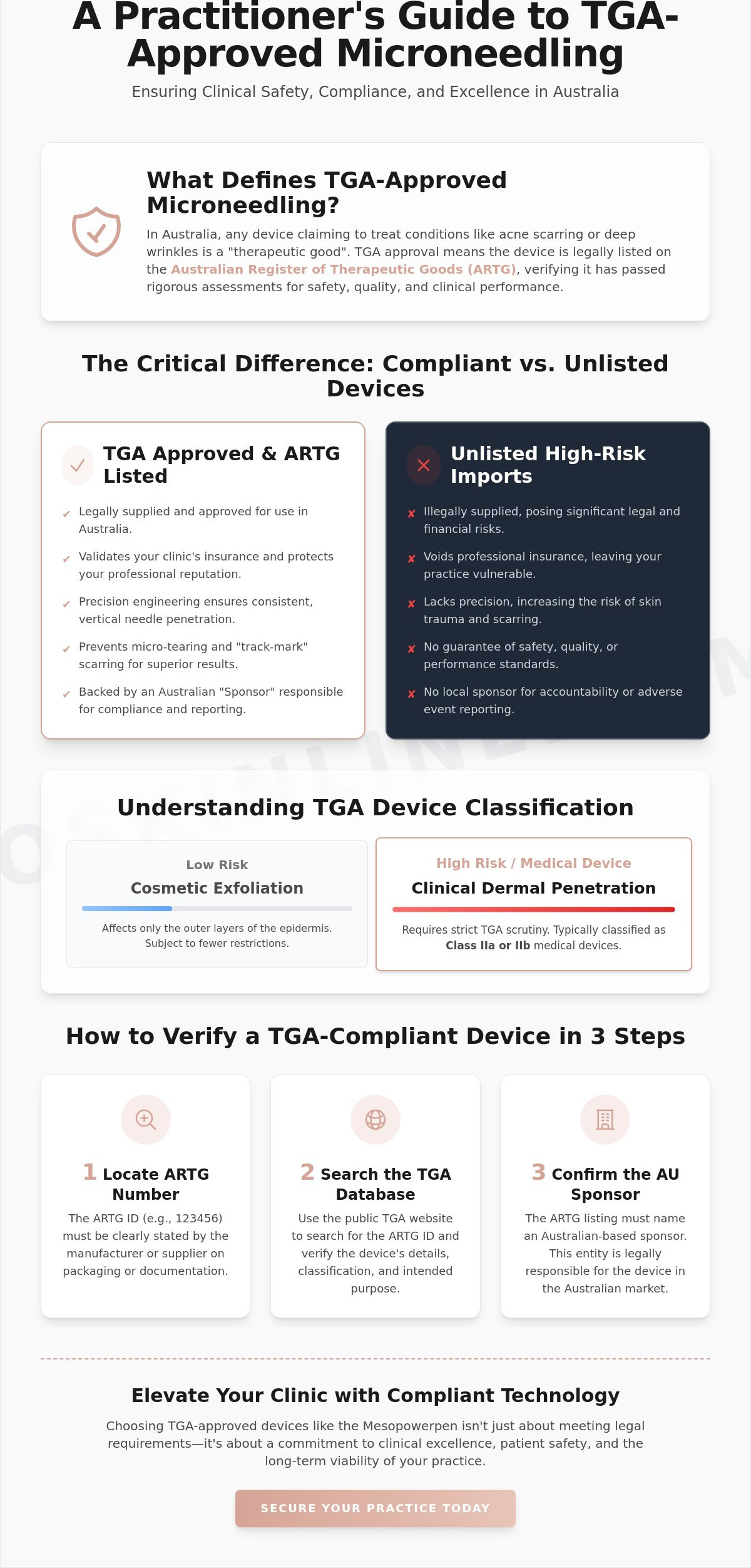
Understanding what is TGA approved microneedling involves looking at the Therapeutic Goods Act 1989. Under this legislation, any instrument used for preventing, diagnosing, or treating a physical condition is classified as a “therapeutic good.” If a device claims to treat acne scarring, reduce deep-set wrinkles, or penetrate the dermal layer to induce structural change, it must be included on the Australian Register of Therapeutic Goods (ARTG). This registration ensures the device has undergone rigorous assessment for safety, quality, and clinical performance.
The Role of the Therapeutic Goods Administration (TGA)
The TGA stands as one of the world’s most exacting regulatory bodies, maintaining standards that often exceed international requirements. Its primary role is to protect the Australian public by ensuring that medical devices do exactly what they claim to do without causing undue harm. For practitioners, TGA oversight provides a safety net. It confirms that a device like the Mesopowerpen has been manufactured under strict quality controls and that its mechanical components, such as motor stability and needle precision, meet Australian clinical benchmarks. Using unapproved gear doesn’t just risk patient safety; it undermines the credibility of the entire aesthetic industry. By adhering to these high standards, Australian clinics signal their commitment to scientific rigour and professional accountability.
Microneedling vs. Skin Needling: Terminology and Regulation
You’ll often hear terms like skin needling, dermapenning, or microneedling used interchangeably in local clinics. However, the TGA distinguishes these based on the “intent of use” and the depth of penetration. Cosmetic exfoliation devices, which only affect the very outer layers of the epidermis, are often subject to fewer restrictions. In contrast, clinical dermal penetration requires a higher level of scrutiny. There’s a clear shift toward stricter enforcement for electronic microneedling pens in the 2026-2027 compliance period. The TGA now focuses heavily on ensuring that any device capable of penetrating the skin is correctly classified, typically as a Class IIa or IIb medical device. This prevents the sale of “home-use” kits that lack the precision engineering needed to avoid “track-mark” scarring or cross-contamination. For a practice to remain commercially viable and legally sound, verifying the ARTG status of their equipment is the first step toward clinical excellence.
Navigating the Australian Register of Therapeutic Goods (ARTG)
The Australian Register of Therapeutic Goods (ARTG) is the definitive source of truth for any medical professional. It isn’t merely a directory; it’s a legal inventory of every therapeutic good authorised for supply in Australia. For practitioners, the ARTG provides the certainty required to operate a safe and insured business. When you research what is TGA approved microneedling, you’re essentially looking for a device that has been successfully “included” in this register. It’s vital to understand that the TGA doesn’t “endorse” or “recommend” specific brands. Instead, they grant inclusion based on a manufacturer’s ability to prove safety and efficacy through clinical data.
Every device listed on the ARTG must have a designated “Sponsor.” This is the Australian entity responsible for the product’s compliance, reporting of adverse events, and ensuring the device meets all regulatory standards. If a device lacks a local sponsor, it cannot be legally supplied. The TGA maintains a proactive stance on market safety and has historically taken action to cancel unapproved medical devices that fail to meet these stringent criteria. Verifying a device’s status before purchase is the only way to ensure you aren’t inadvertently using illicit equipment that could void your professional indemnity insurance.
Classes of Medical Devices: Where Microneedling Fits
The TGA uses a risk-based classification system to categorise technology. Professional microneedling pens are typically classified as Class IIa or IIb medical devices. This classification is triggered by the device’s ability to penetrate the skin and its reliance on an electrical power source. Higher-tier regulation requires the manufacturer to provide extensive technical documentation, including sterilisation protocols and biocompatibility reports for needle cartridges. This level of scrutiny ensures that the mechanical depth settings are accurate and that the motor doesn’t fluctuate, which prevents the jagged “tearing” of tissue often seen with lower-quality, unclassified pens.
How to Verify a Device on the ARTG
Verifying a device is a straightforward but essential clinical protocol. Practitioners should visit the TGA website and utilise the “Search the ARTG” tool. You can search using the product name, the manufacturer, or the specific ARTG number provided by your supplier. A legitimate listing will display the Sponsor’s details, the Manufacturer’s name, and the intended use of the device. If a supplier claims their pen is approved but cannot provide an ARTG number, or if the listing doesn’t match the device’s intended clinical application, it’s a significant red flag. For those seeking a device that meets these exacting standards, you can review the clinical specifications of the Mesopowerpen to see how a fully compliant system is structured. Ensuring your equipment is correctly listed is a non-negotiable step in maintaining a premium, results-oriented practice.
The Critical Difference: Safety, Efficacy, and Professional Accountability
Safety isn’t a mere administrative checkbox; it’s the very foundation of predictable clinical results. When practitioners ask what is TGA approved microneedling, they’re often seeking a guarantee of mechanical precision that protects both the patient and the business. The TGA guidance on microneedling highlights that while the procedure is popular, the risks of using unlisted devices are substantial, ranging from infection to permanent skin damage.
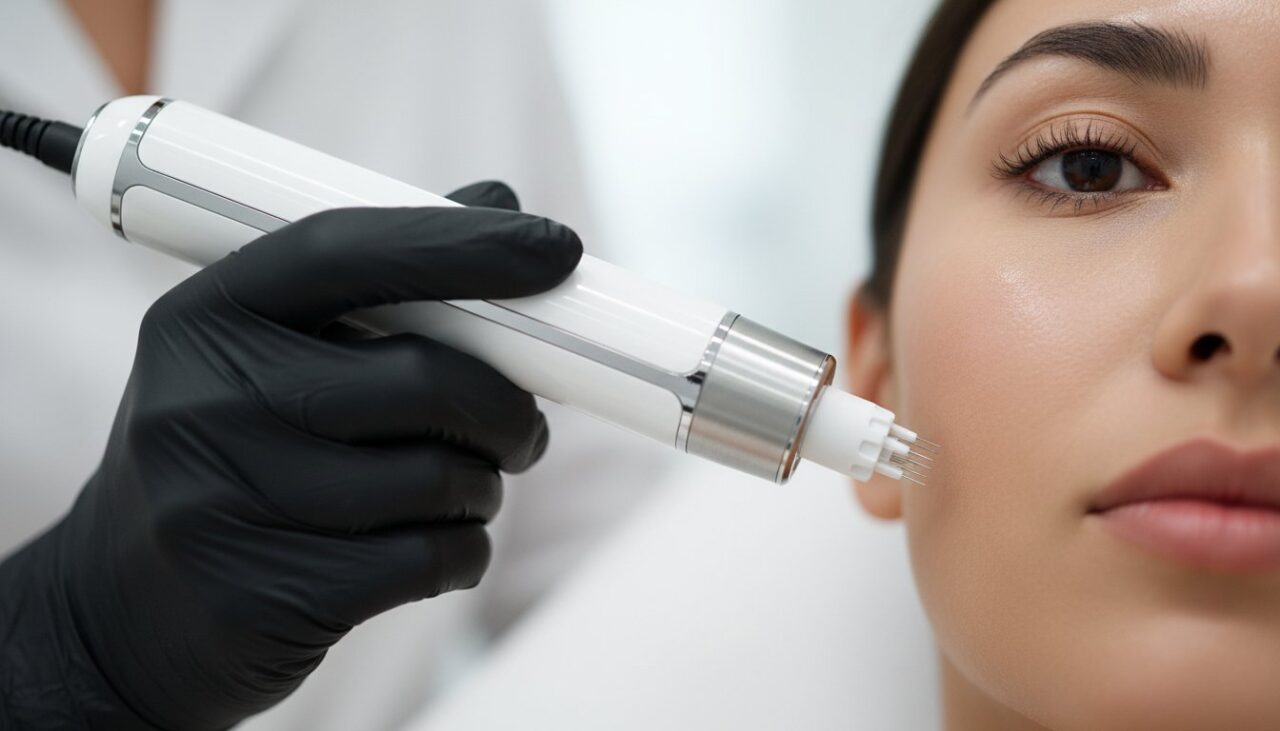
One of the most significant risks with low-quality, unapproved devices is “micro-tearing.” Cheap motors often lack the torque to maintain a consistent speed, causing needles to drag through the tissue rather than puncturing it cleanly. This lateral movement creates “track-mark” scarring and unnecessary trauma. In contrast, TGA-listed equipment like the Mesopowerpen is engineered for strict vertical penetration. This precision ensures that the micro-channels are clean and uniform, which is essential for effective dermal remodelling and the successful delivery of advanced serums.
Hygiene protocols also rely heavily on device engineering. Professional-grade cartridges feature anti-backflow membranes that prevent blood, lymph, and serums from entering the handpiece. Without this barrier, cross-contamination between patients becomes a mathematical certainty rather than a remote risk. From a business perspective, using unlisted gear is a gamble with your professional indemnity insurance. Most Australian insurers explicitly state that coverage is only valid when using equipment that complies with local regulations. Using an unapproved pen could leave a clinic entirely liable for any adverse events, potentially leading to devastating legal and financial consequences.
Needle Quality and Metallurgy
The integrity of the needle itself is paramount. TGA-compliant cartridges utilise surgical-grade stainless steel or titanium to ensure biocompatibility and strength. In contrast, unapproved needles often feature microscopic burrs or blunt tips that cause excessive inflammation and prolonged downtime. Precision in needle gauge is equally vital; a consistent thickness ensures that the treatment remains comfortable for the patient while delivering the exact stimulus required for collagen induction. High-quality needles don’t just improve the experience; they ensure the skin’s barrier is respected during the process.
Clinical Efficacy and Patient Outcomes
Superior patient outcomes for acne scarring and skin rejuvenation are the direct result of device stability. While it’s tempting to focus solely on needle depth, excessive depth without controlled speed often leads to post-inflammatory hyperpigmentation. Understanding what is TGA approved microneedling provides is the assurance of calibrated performance. This regulatory peace of mind allows practitioners to focus on the artistry of the treatment, knowing the technology is working with the skin’s physiology rather than against it. Patients today are more educated than ever, and being able to confirm that your device meets Australian standards builds a level of trust that is essential for long-term loyalty.
How to Identify and Verify a TGA-Compliant Microneedling Device
Verifying the legitimacy of your equipment is a foundational clinical protocol. A genuine ARTG number should be clearly displayed on the device label or within the provided clinical manual. However, understanding what is TGA approved microneedling hardware requires looking beyond the paperwork into the engineering itself. A compliant device must demonstrate exceptional motor stability; if a pen vibrates excessively at high speeds, it indicates a lack of precision that leads to erratic needle entry and unnecessary skin trauma.
Beyond the motor, the internal cartridge design is a critical indicator of quality. TGA-compliant devices incorporate a safety seal or backflow protection system to ensure that biological fluids cannot enter the handpiece. This engineering detail is often missing in unlisted imports. Additionally, reputable suppliers will offer local Australian support, including comprehensive clinical training and technical servicing. If a vendor cannot provide a local point of contact or a physical Australian address, they’re likely operating outside the regulatory framework and cannot guarantee the long-term viability of the technology.
Red Flags for Unapproved Devices
Clinics should be wary of devices sold through third-party digital marketplaces. These platforms often bypass the requirement for a local Australian sponsor, leaving you without legal recourse if the device fails. Extreme price points are another warning sign; medical-grade technology involves significant research and development costs that cannot be replicated at bargain rates. Watch for sellers who use vague terminology, such as describing a device solely for “exfoliation” while providing needle depths that reach the dermis. This is a common tactic used to circumvent the medical device classification process and avoid the scrutiny of the TGA.
The Importance of Single-Use Cartridges
The TGA inclusion often extends to the specific needle cartridges designed for the device. Using “compatible” but non-approved cartridges on a professional pen is a high-risk practice that can compromise the mechanical integrity of the motor and void your professional indemnity insurance. Compliant clinics prioritise sterile, single-use cartridges that are disposed of in accordance with Australian biohazard protocols. To ensure your practice meets these exacting standards and delivers the highest level of care, you can invest in the TGA-listed Mesopowerpen, which provides the engineering precision required for elite clinical outcomes and total regulatory peace of mind.
Elevating Clinical Excellence with TGA-Approved Technology
Investing in high-tier technology is a strategic business decision. It transforms a clinic from a service provider into a clinical authority. When clients ask what is TGA approved microneedling and why it matters, they’re looking for reassurance that their safety is paramount. By choosing ARTG-listed equipment, you aren’t just following the law; you’re building a brand synonymous with reliability. This commitment to quality yields a significant return on investment through reduced device downtime, lower complication rates, and increased patient retention. Patients today are increasingly savvy. They recognise that bargain treatments often carry hidden costs in the form of poor results or skin damage. Communicating the value of your TGA-approved technology allows you to justify premium pricing. It positions your practice as a leader in clinical rigour. This is about commercial viability and protecting your professional legacy.
The Mesopowerpen: A Case Study in Precision
The Mesopowerpen exemplifies this intersection of medical science and luxury aesthetics. Engineered with Danish precision, it meets the exacting standards of the Australian market. This device doesn’t just puncture the skin; it serves as a sophisticated delivery system for advanced formulations. The synergy between the pen and specialised solutions, such as vegan exosomes or pigmentation solutions, creates a complete system for success. Practitioners can achieve superior results by following professional microneedling protocols that leverage the device’s stability and needle accuracy. Understanding what is TGA approved microneedling involves recognising the difference between basic gear and these precision-engineered tools. This fusion of scientific rigour and premium positioning ensures that every session delivers visible transformation. Using a device that is internationally recognised for its quality provides a level of confidence that unlisted pens simply cannot match.
Continuing Education and Clinical Mastery
Clinical mastery requires more than just the right tools. It demands ongoing education. TGA-approved devices are precision instruments that deserve advanced practitioner training to unlock their full potential. Enrolling in specialised facial courses allows practitioners to refine their techniques and stay ahead of the 2026-2027 regulatory shifts. A sustainable aesthetic business is built on this foundation of quality and compliance. You are providing a sensory experience of premium skincare while maintaining the highest clinical standards. By prioritising both technology and technique, you ensure your clinic remains at the forefront of the industry. You offer results that are both medically sound and aspirational. This expert-led approach is what distinguishes a visionary practice from the competition.
Securing Your Clinic’s Future Through Regulatory Excellence
Operating at the pinnacle of Australian aesthetics requires a steadfast commitment to both safety and innovation. Understanding what is TGA approved microneedling ensures your practice remains compliant with the evolving 2026-2027 standards while delivering the transformative results your clients demand. By prioritising ARTG-listed technology, you eliminate the risks of mechanical instability and cross-contamination, securing your professional reputation and your insurance coverage. This alignment with rigorous national standards isn’t just a legal necessity; it’s a hallmark of a premium, results-oriented clinic.
As the exclusive APAC distributor of Danish-engineered technology, we’re dedicated to supplying TGA-compliant solutions to leading Australian aesthetic practitioners. Our focus remains on the dual promise of clinical efficacy and business profitability. We invite you to discover the TGA-compliant Mesopowerpen for your clinic today and experience the difference that precision engineering makes to your patient outcomes. Elevating your practice with compliant technology is the most sustainable path toward long-term mastery and commercial success. We’re here to support your journey toward becoming a visionary leader in the Australian aesthetic field.
Frequently Asked Questions
Is it illegal to use a non-TGA approved microneedling device in an Australian clinic?
It is a significant regulatory breach to use a medical device for therapeutic procedures in an Australian clinic if it lacks an ARTG listing. The Therapeutic Goods Administration monitors the market to disrupt the supply of unapproved or counterfeit imports. Practitioners using unlisted gear face legal repercussions and will likely find their professional indemnity insurance voided. This gamble compromises patient safety and the commercial viability of your practice.
How can I check if a microneedling pen is listed on the ARTG?
You can verify any device by searching the public Australian Register of Therapeutic Goods database on the TGA website. Enter the product name, the manufacturer, or the specific ARTG number provided by your supplier. A valid listing confirms the device has a local sponsor and has met Australian safety benchmarks. This verification is a critical step in understanding what is TGA approved microneedling and ensuring your clinic operates legally.
What is the difference between a Class I and Class IIa microneedling device?
The primary difference lies in the level of regulatory scrutiny and the device’s intended use. Class I devices are generally considered low-risk, whereas Class IIa devices undergo more rigorous assessment due to their dermal penetration and electronic components. Most professional microneedling pens, such as the Mesopowerpen, are classified as Class IIa or higher. This ensures the mechanical precision required for effective clinical skin rejuvenation and collagen induction.
Does TGA approval mean the procedure is 100% safe for all skin types?
No medical procedure is entirely without risk, but TGA approval ensures the device itself is safe and performs as intended. While the hardware meets strict engineering standards, the practitioner must still assess skin contraindications and follow established clinical protocols. TGA-approved devices provide the stability needed to minimise complications. Clinical mastery remains essential for tailoring treatments to diverse skin types and conditions with confidence.
Why are TGA-approved devices more expensive than those found on eBay or Amazon?
The higher price reflects the substantial costs of clinical testing, precision engineering, and regulatory compliance required for ARTG inclusion. Unlisted devices found on third-party marketplaces often lack motor stability. They frequently omit anti-backflow membranes, which can lead to tissue tearing or cross-contamination. Investing in a compliant device ensures long-term durability. It protects your business from the high costs of legal action or patient injury.
Can I use any needle cartridge with my TGA-approved microneedling pen?
You should only use the specific cartridges included in the device’s TGA registration. Compatible non-approved cartridges often lack the necessary safety seals or precise needle gauges. These deficiencies can damage the pen’s motor and compromise patient safety. Using non-compliant consumables may also void your warranty and insurance coverage. TGA approval frequently applies to the system as a whole, including the sterile needle components.
What should a patient look for when choosing a clinic for microneedling?
Discerning patients should look for clinics that openly discuss their use of TGA-approved technology and high-quality formulations. A professional practice will be able to provide the ARTG number of their device and explain their hygiene protocols. This transparency signals a commitment to clinical excellence. Practitioners who combine compliant devices with advanced training demonstrate a sophisticated level of care that prioritises long-term skin health and safety.
Do home-use derma rollers require TGA approval in Australia?
Any microneedling device that claims to treat a skin condition or penetrates the skin for a therapeutic purpose must be listed on the ARTG. The TGA regulates these devices regardless of whether they are marketed for professional or home use. Many low-cost rollers sold online bypass these regulations. These unlisted products pose a high risk of infection or scarring due to poor needle quality and a lack of sterile manufacturing standards.
What Others Are Reading:


Stay in the Glow
Get skincare tips and early access to new products.
