
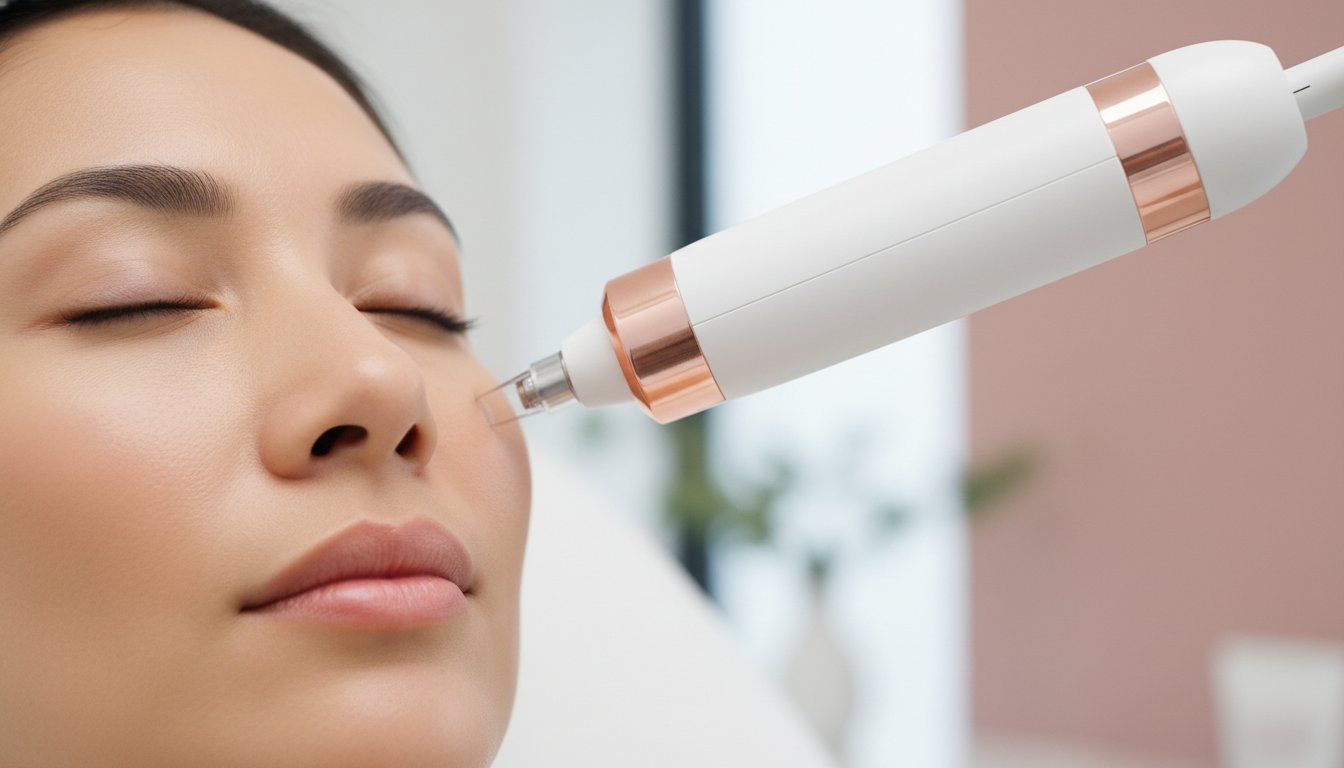
What if the treatment you’ve spent years avoiding due to a reactive complexion was actually the secret to its long-term resilience? For many Australians with delicate skin, the thought of clinical needling often triggers immediate anxiety regarding needle pain and the fear of post-treatment inflammation. You likely believe that visible results require aggressive trauma; a belief reinforced by a history of poor reactions to traditional aesthetic procedures. However, painless microneedling for sensitive skin is no longer a contradiction. It’s a sophisticated reality achieved through the intersection of stable mechanical precision and cellular-level serum integration.
This professional guide explores how advanced technology and bio-compatible formulations make comfortable, results-driven treatments possible for even the most reactive skin types. You’ll discover how devices like the MESOpower Pen adhere to the 1.0mm depth guidelines set by AHPRA to ensure a non-traumatic experience. We will also preview how innovative solutions, including vegan exosomes and targeted pigmentation protocols, work at a cellular level to improve texture without irritation. Prepare to learn how regenerative aesthetics can finally deliver long-term collagen stimulation without the downtime you’ve come to expect.
Key Takeaways
- Learn how to manage a hyper-reactive skin barrier by debunking the myth that clinical needling is inherently too aggressive for delicate complexions.
- Discover the technical precision behind painless microneedling for sensitive skin, focusing on motor stability and how it eliminates traumatic lateral needle movement.
- Identify the critical differences in motor RPM and needle gauge that separate professional aesthetic systems from standard, more painful alternatives.
- Understand how to organise a gentle treatment protocol using pH-balanced preparation and precise needle depths to protect the skin’s natural resilience.
- Explore why the Mesopowerpen serves as the centrepiece for modern Australian clinics seeking to deliver high-end, non-traumatic aesthetic results.
Understanding the Sensitive Skin Barrier and Microneedling Myths
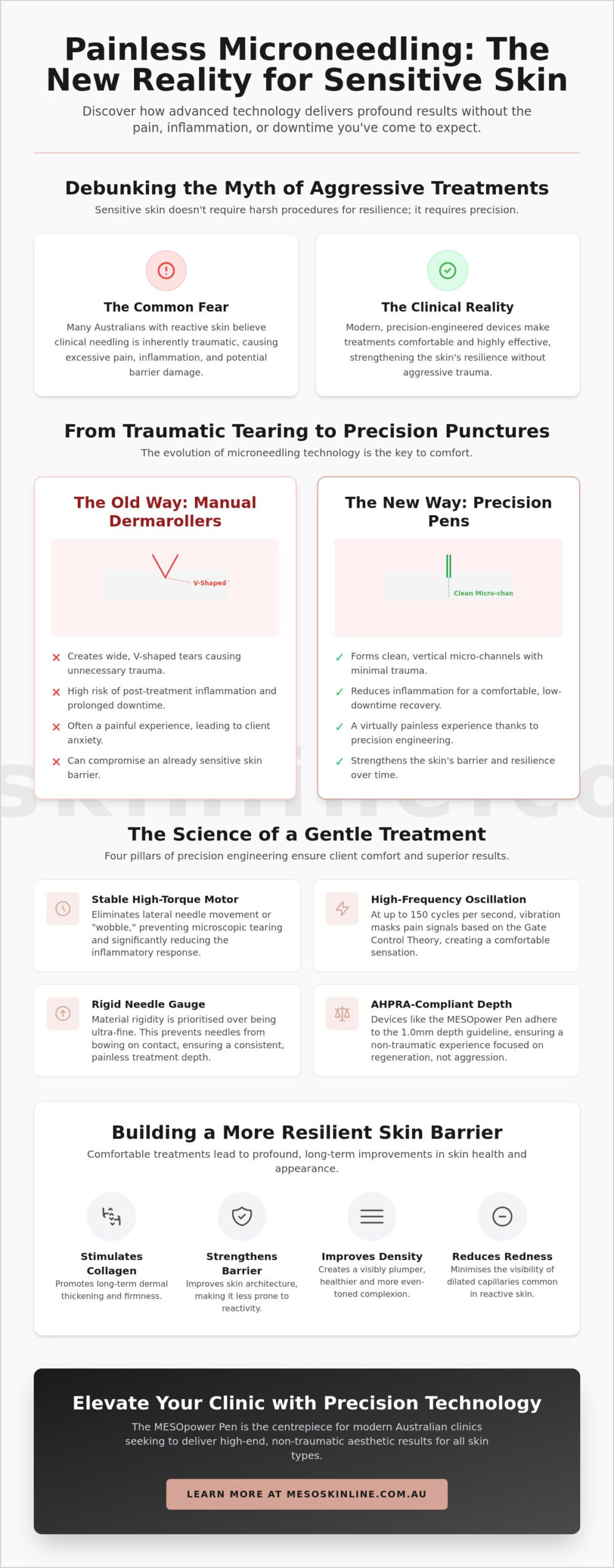
Delicate skin requires a nuanced approach to clinical aesthetics. A sensitive skin barrier is typically characterised by hyper-reactivity and elevated trans-epidermal water loss (TEWL), where the external environment penetrates too easily and moisture escapes too quickly. Many Australians are now seeking painless microneedling for sensitive skin to address texture without the risk of flare-ups. Clients often fear that Collagen induction therapy (CIT) will exacerbate these issues. This belief stems from a misunderstanding of how modern needles interact with the dermis. While traditional “rolling” methods often cause unnecessary trauma for sensitive clients by creating wide, V-shaped tears, contemporary precision technology offers a different path.
The Biology of Skin Reactivity
The epidermis is your first line of defence. It signals distress by releasing inflammatory cytokines when it perceives a threat. It’s crucial to identify the difference between “normal” clinical redness and true barrier compromise. A compromised barrier presents as persistent heat or itching. Because every reactive skin type has a unique threshold, a professional assessment is non-negotiable. Practitioners must ensure the skin is prepared to receive treatment without triggering chronic inflammation.
Why “Painless” is Now a Clinical Reality
The shift from manual dermarollers to high-frequency electronic pens has revolutionised the clinical experience. High-speed vertical entry reduces the “tearing” sensation that once made needling a daunting prospect. When needles enter and exit the skin perfectly perpendicular to the surface, mechanical trauma is minimised. This makes needling a viable option for those who previously suffered through high-downtime procedures. Painless microneedling is a result of precision engineering.
Controlled micro-channels do more than just deliver serums. They act as a catalyst for long-term dermal thickening. By stimulating the wound-healing response without the excessive inflammation of older methods, we can actually strengthen the skin’s architecture. This results in a more resilient barrier that is less prone to the very sensitivities that made the client hesitant in the first place. Over time, this process improves skin density and reduces the visibility of dilated capillaries often associated with reactive types.
The Science of Comfort: How Modern Technology Makes Microneedling Painless
Precision is the foundation of comfort. For many years, the primary barrier to painless microneedling for sensitive skin was the mechanical instability of early devices. When a needle assembly lacks rigorous motor stability, it produces lateral movement, or “wobble,” which causes microscopic tearing of the epidermis rather than clean, vertical punctures. Modern clinical engineering has solved this by implementing high-torque motors that maintain a perfectly linear path. This stability ensures that the skin’s barrier remains intact around the micro-channel, significantly reducing the inflammatory response and the associated stinging sensation.
High-frequency oscillations play a critical role in sensory management. By vibrating at speeds of up to 150 cycles per second, advanced pens provide a masking effect that effectively confuses the skin’s pain receptors. This is a practical application of the gate control theory of pain, where the brain prioritises the sensation of vibration over the stimulus of the needle. A comprehensive review of microneedling supports the efficacy of these controlled micro-injuries in stimulating collagen without the trauma associated with older, manual methods. Needle gauge also matters; however, the material’s rigidity is more important than being ultra-fine. A needle that is too flexible can bow upon contact, leading to an inconsistent and painful treatment.
Precision Engineering in the Mesopowerpen
The Mesopowerpen represents the peak of this technological evolution in Australia. Its clinical-grade motor is designed to eliminate drag, which is the leading cause of post-treatment redness in reactive skin types. Vertical needle entry is the gold standard because it allows for a higher density of channels with minimal surface disruption. By ensuring the needles enter and exit at a precise ninety-degree angle, practitioners can deliver active ingredients deeper into the dermis without the “shredding” effect seen with traditional rollers. This level of control is what allows for a truly sophisticated aesthetic experience.
Minimising Downtime through Controlled Trauma
The goal for sensitive clients is to achieve a healthy “pink glow” rather than significant pinpoint bleeding. Controlled trauma is about precision, not aggression. Adjustable depth control allows practitioners to transition seamlessly from 0.25mm on the delicate eye contour to slightly deeper settings on the cheeks, all while staying within safe clinical bounds. Using sterile, single-use cartridges is essential for maintaining skin health and preventing cross-contamination. When the trauma is strictly controlled, the skin enters the healing phase almost immediately, which results in significantly reduced downtime and a faster return to daily activities.
Choosing the Right Tools: Professional Precision vs. Standard Needling
The selection of clinical equipment is the most decisive factor in the patient experience. For practitioners aiming to provide painless microneedling for sensitive skin, the distinction between professional-grade distribution and consumer-level devices is stark. Motor RPM (revolutions per minute) directly influences the “stinging” sensation felt by the client. High-performance motors maintain a consistent speed even when encountering dermal resistance, ensuring the needle enters and exits before the pain receptors can fully engage. Budget devices often suffer from “motor lag,” which causes the needles to linger in the tissue, leading to unnecessary discomfort and mechanical trauma.
Australian clinics are increasingly moving toward Danish-engineered precision to ensure consistent results. This European heritage of quality ensures that painless microneedling for sensitive skin is a predictable reality rather than a clinical gamble. Professional systems include specific safety features designed to protect the sensitive barrier during the procedure:
- Anti-backflow membranes that prevent fluid cross-contamination.
- Precision-moulded needle housings that ensure zero lateral play.
- Medical-grade stainless steel components that resist “hooking” or dulling.
Aesthetic Standards in Australia
Australian practitioners operate in a highly regulated environment where TGA-aligned standards are essential. Adhering to these guidelines isn’t just about compliance; it’s about patient safety. Using non-compliant or unlisted devices can result in significant fines, sometimes reaching $25,200, as documented by the Therapeutic Goods Administration in 2026. Prioritising tools with minimal vibration is critical for sensitive skin types, as excessive oscillation can lead to micro-bruising and barrier distress. For a comprehensive exploration of these mechanical factors, read Professional Microneedling: The Clinical Science of Precision Skin Rejuvenation.
The Cost of “Budget” Needling
The hidden risks of “budget” devices often manifest as needle “hooking.” This occurs when inferior needle materials develop microscopic curls at the tip after only a few passes. These hooks tear the skin as they are withdrawn, causing prolonged redness and inflammation that can last for days. This is particularly damaging for sensitive clients who already struggle with a fragile epidermis. From a business perspective, investing in high-end technology like the Mesopowerpen is a strategic move. Since over 42% of Australian consumers now prioritise quality and brand experience over price, providing a truly comfortable treatment is essential for client retention and commercial viability.
The 2026 Protocol: How to Organise a Gentle Microneedling Treatment
Organising a clinical treatment for reactive skin requires more than just high-end tools; it demands a rigorous, step-by-step protocol. To achieve painless microneedling for sensitive skin, the 2026 standard prioritises barrier preservation over aggressive exfoliation. The process begins with pH-balanced cleansing to remove surface impurities without disrupting the acid mantle. This is followed by a deliberate selection of needle depth. For sensitive complexions, practitioners typically operate between 0.25mm and 0.5mm. This depth is sufficient to trigger the healing cascade without breaching the deeper dermal layers that might lead to excessive inflammation or prolonged recovery.
The integration of advanced serums transforms the procedure from a mechanical treatment into a regenerative one. Step three involves the application of Vegan Exosomes to initiate rapid cellular communication. Following the infusion, the skin is calmed using Boto Xtreme, a formulation designed to provide immediate relief and reduce muscular tension in the treated areas. The final step is a strict Australian aftercare regimen, focusing on high-factor mineral sun protection and intensive hydration to support the newly stimulated collagen. Given the high UV index in Australia, sun protection is a non-negotiable requirement for preventing post-inflammatory hyperpigmentation.
The Power of Vegan Exosomes
With consumer interest in exosome therapy rising by 557% over the last year, integrating these into your sensitive skin protocol is both a clinical and commercial necessity. Vegan exosomes are superior for reactive skin because they provide a pure, controlled signal for repair without the risk of cross-contamination or adverse immune responses. They effectively instruct the skin to bypass the “alarm” phase of trauma, moving directly into the proliferation and repair stages. The micro-channels created during the procedure serve as high-speed conduits for the deep delivery of vegan exosomes, ensuring maximum absorption and cellular response.
Customising the Treatment for Sensitive Areas
Treating the periorbital area requires exceptional finesse. Practitioners should utilise the Eyelift serum specifically for the delicate eye contour, where the skin is thinnest and most prone to reactivity. Adjusting the speed settings on your Mesopowerpen is essential; lower frequencies are often preferred for these bony areas to maintain patient comfort and prevent bruising. For a full supply checklist and further technical specifications, consult the Professional Mesotherapy Supplies Australia: The Practitioner’s 2026 Clinical Guide.
Ready to upgrade your clinical offerings and provide a superior patient experience? Explore the full range of Mesoskinline professional serums and devices today.
Elevating Your Clinic with Mesoskinline Precision Technology
The integration of a high-performance system is what separates a standard clinic from a market leader. For those specialising in painless microneedling for sensitive skin, the Mesopowerpen serves as the ultimate centrepiece. It’s a device that embodies Danish innovation; a legacy of precision that Australian aesthetic experts have come to trust for its non-traumatic delivery. By eliminating the anxiety associated with traditional needling, you’re not just offering a treatment. You’re offering a premium experience that builds deep clinical trust through the Mesoskinline Australia system. This precision engineering ensures that every puncture is clean and vertical, which is essential for maintaining the integrity of a reactive skin barrier.
The commercial advantage of “zero-pain” technology is significant. As established, the shift in Australian consumer values toward quality and brand experience creates a unique opening for clinics to offer high-tier, comfortable interventions. Offering painless microneedling for sensitive skin allows you to tap into a demographic that has historically avoided aesthetic procedures due to fear of inflammation. This isn’t just about patient comfort; it’s about business longevity and establishing your clinic as a visionary expert in the field. High-tier outcomes drive word-of-mouth referrals, which are the lifeblood of a prestige aesthetic practice in the local market.
A Complete System for Success
Success in the Australian market requires a cohesive approach. Integrating the full range from Mesoskinline Australia ensures that every stage of the patient journey is supported by clinical-grade formulations. From the initial preparation to the final application of Boto Xtreme, each product is designed to work in synergy with the Mesopowerpen. Marketing these treatments to your existing client base should focus on the dual promise of efficacy and comfort. You can highlight the use of vegan exosomes and specialised solutions for pigmentation or hair loss control to demonstrate a commitment to innovation. This expert-led narrative positions your clinic as a mentor in skin longevity rather than just a service provider.
Professional Partnership and Distribution
Choosing the right partner is as critical as choosing the right tool. Exclusive APAC distribution benefits ensure that Australian salons have direct access to the latest European aesthetic advancements through Mesoskinline Australia. This partnership provides more than just equipment; it offers a complete system for success, including the training necessary to ensure every practitioner delivers excellence. Consistent results are achieved through high-performance aesthetic tools and a deep understanding of clinical protocols. By maintaining these high standards, your clinic can provide outcomes that meet the rigorous expectations of the modern Australian consumer while ensuring long-term business profitability.
Ready to redefine the standard of care in your practice?
Redefining Aesthetic Resilience for Delicate Skin
The evolution of clinical skin needling has moved definitively away from traumatic, high-downtime procedures toward a more refined, regenerative model. By prioritising mechanical stability and vertical needle entry, practitioners can now deliver results that were once considered impossible for reactive complexions. This transition ensures that painless microneedling for sensitive skin is not just a marketing claim; it’s a standard of practice supported by rigorous engineering and bio-compatible science. You’ve seen how the right motor stability and serum integration can transform a patient’s experience from one of anxiety to one of visible, irritation-free transformation.
As the exclusive APAC distributor of Danish-engineered technology, we provide the tools and specialised vegan exosome formulations required for professional clinical excellence. These systems are designed to strengthen the dermal architecture while maintaining the absolute comfort of your patients. Discover the Mesopowerpen and elevate your sensitive skin protocols to ensure your clinic remains at the forefront of the Australian aesthetic industry. We look forward to supporting your journey toward setting a new benchmark in gentle, results-driven skincare.
Frequently Asked Questions
Is microneedling truly painless for people with very sensitive skin?
Painless microneedling for sensitive skin is achievable when using high-frequency devices that minimise mechanical trauma. By ensuring perfectly vertical needle entry, the sensation is often described as a light vibration rather than a sharp sting. This level of comfort is essential for clients with a hyper-reactive barrier who have previously avoided clinical treatments due to pain concerns or fear of inflammation.
How long does the redness last after a painless microneedling session?
Redness generally subsides within 24 to 48 hours, appearing as a healthy pink glow rather than significant inflammation. Because modern protocols focus on controlled trauma, the skin skips the aggressive alarm phase often seen with older technology. Using specialised post-treatment serums like Boto Xtreme further accelerates this calming process, allowing clients to return to their social routines with minimal downtime.
Can I use vegan exosomes with any microneedling pen?
While vegan exosomes can be integrated into various treatments, their efficacy depends on the quality of the micro-channels created. A stable pen ensures these channels are uniform and non-traumatic, providing the ideal conduit for deep cellular absorption. For professional results, pairing these formulations with Danish-engineered precision technology ensures the highest level of signal delivery and rapid skin repair.
What is the recommended needle depth for sensitive skin on the face?
A depth between 0.25mm and 0.5mm is the standard for treating reactive skin without compromising the fragile epidermal barrier. This depth allows for effective serum infusion while remaining within safe clinical bounds for non-medical practitioners in Australia. Adjusting the depth based on facial zones, such as using shallower settings for the periorbital area, is crucial for maintaining patient comfort.
How many sessions are needed to see results on sensitive skin?
Visible improvements in skin texture and resilience often appear after the first session, though a series of 3 to 6 treatments is typically advised for long-term collagen induction. Sensitive skin requires a gradual approach, so sessions are usually spaced 4 to 6 weeks apart. This timeline allows the dermis to thicken and the barrier to strengthen between clinical interventions for lasting results.
What should I avoid immediately after a microneedling treatment in Australia?
You must avoid direct sun exposure and strenuous exercise for at least 48 hours following your session. Given the harsh Australian climate, high-factor mineral sun protection is vital to prevent post-inflammatory hyperpigmentation. Additionally, you should pause the use of active ingredients such as retinols or AHAs until the skin’s barrier has fully settled to avoid triggering unnecessary irritation.
Is the Mesopowerpen suitable for professional use in Australian clinics?
The Mesopowerpen is a centrepiece for professional clinics across Australia, offering the precision required for high-end aesthetic outcomes. It is engineered to meet rigorous international standards and facilitates adherence to the 1.0mm depth guidelines advised by AHPRA for non-medical practitioners. Its superior motor stability offers a reliable path to painless microneedling for sensitive skin in a clinical setting.
Can microneedling help with pigmentation on sensitive skin?
Microneedling is highly effective for addressing pigmentation when combined with specialised pigmentation solutions. By creating controlled micro-channels, the procedure allows active ingredients to reach melanocytes more efficiently. For sensitive skin, the key is using a non-traumatic approach that avoids the excessive heat often associated with laser treatments, which can sometimes worsen pigment issues in reactive skin types.
What Others Are Reading:


Stay in the Glow
Get skincare tips and early access to new products.
