
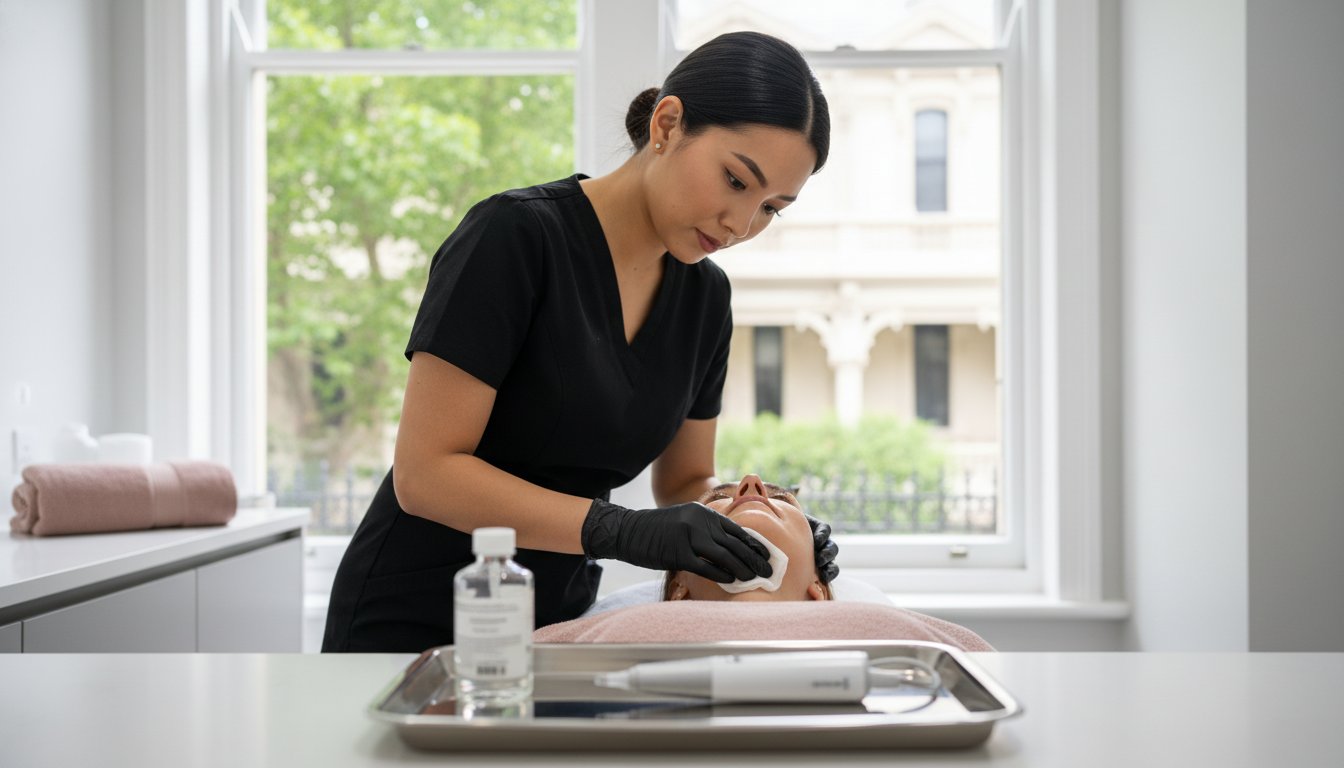
Could the difference between a flawless rejuvenation and a complex inflammatory response lie entirely in a thirty-second application of an antiseptic? You likely understand that meticulous skin preparation is the non-negotiable foundation of any professional non-invasive procedure, yet the technical nuances between aqueous and alcoholic formulations of chlorhexidine often remain a source of clinical hesitation. Balancing the requirements of effective microbial clearance with the risk of adverse reactions requires more than just a cursory wipe; it demands a deep mastery of your tools to protect both your client and your professional reputation.
In this guide, we’ll refine your expertise in the application of this essential antiseptic, ensuring your practice aligns with the latest Australian regulatory standards and TGA safety alerts. You’ll gain a definitive understanding of residual activity times and a precise, step-by-step skin preparation protocol designed to mitigate the documented risks of hypersensitivity that have seen a notable increase in Australian clinical reports since 2021. By the end of this article, you’ll possess the scientific clarity to select the correct formulation for every transdermal treatment, elevating your clinic’s safety standards to the level of Danish precision and European excellence that MesoSkinline represents.
Key Takeaways
- Understand why chlorhexidine gluconate is the superior antiseptic choice for Australian aesthetic clinics, offering a persistent antimicrobial barrier that protects the procedural site for up to six hours.
- Master the precise clinical protocol for professional skin preparation to ensure a sterile foundation before performing high-precision procedures like microneedling or mesotherapy.
- Discover how to select the optimal formulation between aqueous and alcoholic solutions to balance rapid sterilization with the delicate requirements of mucous membranes and sensitive skin.
- Elevate your practice by aligning Danish clinical expertise with MesoSkinline technologies, ensuring that a sterile environment leads to flawless, non-invasive rejuvenation and enhanced exosome efficacy.
Understanding Chlorhexidine: The Gold Standard for Skin Antisepsis
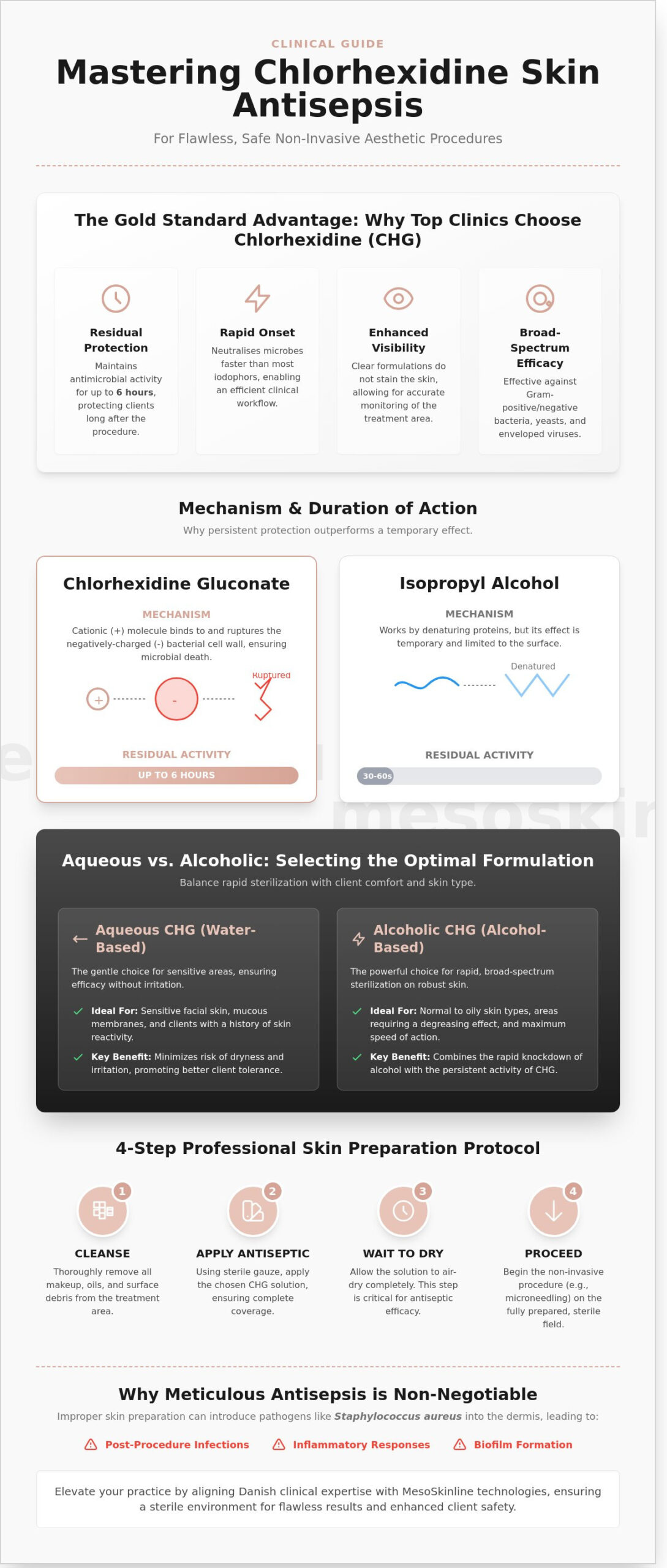
Chlorhexidine gluconate (CHG) is a cationic polybisguanide that serves as the Gold Standard for Skin Antisepsis in high-end clinical environments. It’s the primary choice for Australian practitioners because it binds to the stratum corneum, providing a persistent antimicrobial effect that iodine-based solutions simply can’t match. Clinical-grade formulations, typically found in 0.5% to 2% concentrations, are distinct from household disinfectants. These professional solutions are specifically formulated to maintain skin integrity while ensuring total microbial clearance before any transdermal intervention.
In the Australian aesthetic market, chlorhexidine has largely superseded povidone-iodine for several clinical reasons:
- Rapid Onset: It neutralises microbes faster than most iodophors, allowing for efficient workflow transitions.
- Visibility: Clear CHG solutions don’t stain the skin, ensuring the clinician can monitor vascular responses and injection points accurately.
- Residual Protection: It maintains antimicrobial activity for up to six hours, protecting the patient long after they leave the clinic.
- Lower Irritation: It’s generally better tolerated on sensitive facial skin compared to harsh alcohol-heavy or iodine-based alternatives.
The Role of Antisepsis in Modern Aesthetics
Non-invasive mesotherapy relies on the creation of micro-channels to deliver active ingredients directly into the skin. Without meticulous antisepsis, transient flora like Staphylococcus aureus can be pushed from the surface into the dermis, increasing the risk of biofilm formation or inflammatory responses. By adopting protocols that mirror surgical precision, clinicians elevate the patient experience and ensure safety. This methodology reflects the rigorous Danish quality standards MesoSkinline champions; it ensures Australian clinics operate at a global level of clinical excellence.
Broad-Spectrum Efficacy
The power of chlorhexidine lies in its ability to disrupt the cell membranes of a wide array of pathogens. It demonstrates exceptional activity against both Gram-positive and Gram-negative bacteria, which is vital for preventing post-procedure infections. Its efficacy extends to yeasts and lipid-enveloped viruses, including the herpes simplex virus. For a dermal therapist, this broad-spectrum coverage isn’t just a preference; it’s a non-negotiable safeguard for long-term skin health and professional reputation.
The Mechanism of Efficacy: Why Chlorhexidine Outperforms Standard Alcohol
Understanding the molecular behavior of chlorhexidine gluconate (CHG) reveals why it’s the preferred choice for practitioners dedicated to clinical excellence. Unlike simple alcohols that rely on protein denaturation, chlorhexidine operates through a high-affinity cationic bond. The molecule carries a strong positive charge that seeks out the negatively charged phosphate groups on bacterial cell walls. This electrostatic attraction causes the cell membrane to rupture, leading to the precipitation of cytoplasmic contents and certain bacterial death. It’s a level of precision that aligns perfectly with the high standards of non-invasive mesotherapy and advanced skin rejuvenation.
While isopropyl alcohol provides a rapid knockdown of surface pathogens, its efficacy vanishes as soon as the liquid evaporates, often within 30 to 60 seconds. In contrast, chlorhexidine offers persistent protection. For multi-stage mesotherapy protocols, where the skin barrier is intentionally breached over a period of 30 to 45 minutes, relying solely on alcohol leaves the patient vulnerable to transient microbes that may migrate back into the treatment area. By choosing a CHG-based solution, you ensure the treatment site remains a sterile environment throughout the entire procedure, reflecting the meticulous nature of Danish-inspired clinical protocols.
Residual Antimicrobial Activity
The defining characteristic of CHG is its ability to bind to the stratum corneum. This chemical bond creates a persistent antimicrobial reservoir that remains active for up to 6 hours. Clinical data suggests that using CHG can reduce post-treatment infection risks in microneedling by a significant margin compared to non-sterile prep methods. Residual activity is the hallmark of clinical skin prep, ensuring a prolonged sterile field long after the initial application. This enduring shield is vital when performing deep transdermal inductions that require absolute safety. Practitioners who prioritise these outcomes often seek professional certification to master these advanced safety standards.
Synergy in Alcoholic Formulations
The most effective clinical preparations utilise a 2% chlorhexidine gluconate concentration dissolved in 70% isopropyl alcohol for aesthetic skin preparation. This combination offers a dual-action approach: the alcohol provides the immediate knockdown of 99.9% of vegetative bacteria, while the CHG provides the long-term shield. This synergy balances a rapid 15-second onset with sustained bacterial suppression. In the Australian aesthetic market, where regulatory scrutiny and patient expectations are exceptionally high, this formulation represents the gold standard for maintaining a flawless clinical environment. It ensures that the skin’s biological integrity is protected from the first needle contact to the final stage of cellular regeneration.
Step-by-Step Protocol: Using Chlorhexidine for Professional Microneedling
Clinical excellence in non-invasive mesotherapy relies on a rigorous aseptic chain. Before the Mesopowerpen is even unboxed, the treatment environment must be sanitised according to Australian TGA standards for skin penetration procedures. Practitioners should don sterile, powder-free gloves, a surgical mask, and a protective apron to establish a barrier against opportunistic pathogens. This preparation creates a professional foundation that mirrors the high standards of Danish clinical design and ensures the safety of the transdermal process.
The process begins with the removal of surface lipids and cosmetic residues. Use a gentle, pH-balanced cleanser to ensure the skin’s natural barrier isn’t prematurely compromised. Once the surface is clear, apply chlorhexidine using a “Center-to-Periphery” technique. This methodical approach involves starting at the primary injection or needling site and moving outward in enlarging concentric circles. It ensures that any remaining micro-organisms are moved away from the active treatment zone rather than being dragged into it during the procedure.
- Maintain a sterile field by using single-use, disposable gallipots for the antiseptic solution.
- Apply the solution with firm, consistent pressure to facilitate deep penetration into the follicular openings where bacteria often reside.
- Allow the skin to air-dry completely for at least 120 seconds; the antimicrobial action reaches its peak efficacy during this evaporation phase.
Post-procedure, practitioners must maintain the sterile field while applying biocompatible serums. Don’t touch the treated area with non-sterile implements, as the micro-channels created by the Mesopowerpen remain open for several minutes, providing a direct pathway for cellular regeneration or, if handled poorly, potential infection. Maintaining this aseptic environment extends to every diluent used in the treatment room, including understanding the role of bacteriostatic water in the safe reconstitution of advanced mesotherapy serums.
Pre-Treatment Skin Preparation
Clinicians should select a 0.5% aqueous solution for standard facial microneedling to minimize the risk of irritation. The mechanical action of the swab is as vital as the chemical agent itself. A 2021 clinical study found that 30 seconds of active friction significantly increases the efficacy of skin antisepsis compared to passive application. It’s essential to ensure the skin is entirely dry before introducing the Mesopowerpen to prevent the chlorhexidine from interfering with the delicate balance of the active mesotherapy ingredients.
Managing Sensitive Areas
When treating the periocular or perioral regions, precision is paramount. Avoid the conjunctiva and the middle ear, as antiseptic solutions can be ototoxic if they enter the ear canal. For patients with compromised lipid barriers or reactive skin, an aqueous base is superior to alcoholic formulations, which can cause stinging or unwanted desiccation. This careful selection of delivery vehicles ensures the integrity of the skin’s health while maintaining a flawless safety profile in the aesthetic clinic.
Selecting the Right Formulation: Aqueous vs. Alcoholic Chlorhexidine
The efficacy of your clinical preparation depends heavily on the delivery vehicle of the active agent. In Australian aesthetic clinics, practitioners must distinguish between aqueous and alcoholic chlorhexidine formulations to optimize both patient safety and procedural outcomes. Alcoholic solutions, typically containing 70% isopropyl alcohol, provide rapid evaporation and superior degreasing. This makes them the gold standard for preparing intact skin before non-invasive injections or microneedling. The alcohol component works synergistically to denature proteins, offering a swift “kill rate” that suits a high-turnover professional environment.
Aqueous solutions lack the drying speed of their alcoholic counterparts but are vital when the skin barrier is compromised or when treating delicate areas. Choosing the wrong formulation can lead to avoidable complications, such as chemical burns or prolonged erythema, which detract from the premium experience clients expect from high-end European-standard care. Practitioners should maintain both variants to ensure every skin type receives a bespoke, safe approach. This same principle of selecting the correct clinical-grade diluent applies equally to understanding the properties and safe handling of bacteriostatic water for serum reconstitution in a professional aesthetic setting.
When to Choose Aqueous Solutions
Aqueous formulations are the primary choice for clients presenting with inflammatory acne, rosacea, or hyper-sensitive skin profiles. Because these solutions don’t contain volatile alcohols, they significantly reduce the risk of inducing a “fire” response on the skin. This is particularly relevant in non-invasive mesotherapy where maintaining the integrity of the stratum corneum is paramount. While the drying time is longer, the reduction in irritation potential ensures the client’s skin remains calm before the active rejuvenation phase begins. It’s a trade-off that prioritizes long-term skin health over procedural speed, reflecting the Danish expertise of precision and patience in aesthetic medicine.
Safety and Allergen Awareness
While rare, the risk of hypersensitivity is a serious consideration for any Australian practitioner. A 2012 TGA safety advisory highlighted the risk of generalized hypersensitivity associated with chlorhexidine, prompting a requirement for clearer labeling on all AUST R listed products. Practitioners must conduct a thorough consultation before application, specifically asking if the client has ever reacted to topical antiseptics or mouthwashes. Signs of a reaction can range from localized pruritus to life-threatening anaphylaxis, which often occurs within minutes of contact.
- Verify the TGA-listed status of your antiseptic to ensure it meets Australian regulatory standards for clinical use.
- Store all solutions in a cool, dark environment to prevent chemical degradation and maintain potency.
- Always keep an emergency kit accessible to manage potential adverse reactions immediately.
By selecting AUST R registered medicines rather than cosmetic-grade cleaners, you align your practice with the highest tiers of clinical excellence and patient safety. This methodical approach to sterility is what distinguishes a leading technician from the broader market.
Elevate your clinical standards and master the art of safe skin preparation with professional training and premium solutions from MesoSkinline Australia.
Elevating Clinic Standards: Integrating Hygiene with MesoSkinline Technologies
The final stage of mastering clinical sterility involves the seamless integration of rigorous preparation protocols with advanced delivery systems. When a practitioner utilizes chlorhexidine to decontaminate the treatment area, they’re doing more than just cleaning the surface; they’re optimizing the transdermal pathway for maximum nutrient absorption. This sterile foundation is particularly vital for the efficacy of vegan exosome treatments. These delicate biotechnological structures require a pristine environment to facilitate cellular regeneration without the interference of surface pathogens or microbial debris.
The Mesopowerpen represents the pinnacle of Danish precision engineering, designed to function in perfect harmony with clinical-grade preparation. Its ability to create controlled micro-channels depends on a skin surface that is free from contaminants. By ensuring the skin is thoroughly prepared, the device delivers active ingredients to the exact dermal depth required for transformative results. This methodical approach builds profound client confidence. Patients who witness a visible, disciplined hygiene protocol feel a sense of security, knowing their practitioner prioritizes safety and clinical excellence above all else.
The MesoSkinline philosophy is built upon the marriage of high-end biotechnology and uncompromising safety standards. It’s a commitment to the idea that the most effective treatments are those performed within a framework of absolute sterility. This dual focus on hardware precision and procedural hygiene ensures that every session meets the highest professional benchmarks.
Synergistic Skin Transformation
Clean skin serves as the essential canvas for high-performance formulas such as Boto Xtreme and Eyelift serums. By eliminating the microbial load with chlorhexidine, clinicians significantly reduce the risk of post-procedural inflammatory complications. This reduction in unnecessary immune responses leads to faster healing times and more predictable aesthetic outcomes. Professional training is the key to mastering these protocols, as it teaches practitioners how to balance potent active ingredients with the delicate requirements of a sterile field. Benefits of this synergy include:
- Enhanced bioavailability of biocompatible serums.
- Minimised risk of granulomas or secondary infections.
- Improved patient comfort during the recovery phase.
- Consistent results across diverse skin types.
The Future of Non-Invasive Excellence
Positioning a clinic as a leader in the Australian aesthetic market requires a dedication to both safety and innovation. Discerning clients increasingly seek out European manufacturing standards, which are synonymous with reliability and ethical production. By adopting these high-level benchmarks, you distinguish your practice as an elite destination for non-invasive mesotherapy. The integration of Danish expertise ensures your clinic remains at the forefront of the industry, offering results that are both sophisticated and safe. It’s about moving beyond basic beauty services to provide a medical-grade experience that respects the intelligence of the modern consumer.
Elevating Clinical Excellence through Superior Antisepsis
The integration of chlorhexidine into your clinical workflow represents more than a hygiene upgrade; it’s a commitment to the highest European standards of patient safety. By leveraging the 48-hour residual antimicrobial activity of this gold-standard agent, practitioners can significantly mitigate the risk of post-procedural complications in non-invasive mesotherapy. Selecting the precise formulation, whether aqueous for sensitive facial zones or alcoholic for rapid-dry skin preparation, ensures that every microneedling session begins with a flawless, sterile foundation. This methodical approach to skin antisepsis is essential for maintaining the integrity of the dermal barrier during transdermal delivery.
As the exclusive APAC distributor for Danish-engineered MesoSkinline, we provide the state-of-the-art tools and expert-led training required to master these clinical-grade skin transformations. Our certification programs for AU and NZ practitioners are designed to bridge the gap between advanced biotechnology and daily practice. By aligning your clinic with these rigorous protocols, you’re not just performing a treatment; you’re delivering a premium, safe, and scientifically-backed aesthetic experience that prioritizes long-term skin health. We invite you to Explore Advanced Aesthetic Technology and Professional Supplies at MesoSkinline Australia and refine your professional standards today.
Frequently Asked Questions
Is chlorhexidine safe for use on the face before microneedling?
Yes, chlorhexidine is highly safe and remains the gold standard for facial preparation prior to microneedling to minimize infection risks. Practitioners in Australian clinics follow TGA-aligned protocols to ensure a sterile field before any transdermal intervention. This antimicrobial agent maintains its efficacy even in the presence of organic matter, making it a reliable choice for professional skin rejuvenation and cellular regeneration treatments.
What is the difference between aqueous and alcoholic chlorhexidine?
The primary difference lies in the solvent used to deliver the active ingredient to the skin. Aqueous solutions are water-based and gentler on compromised or sensitive skin, while alcoholic versions contain 70% isopropyl alcohol for a more rapid initial microbial kill rate. In the context of Danish-inspired precision treatments, choosing the correct formulation ensures both patient comfort and absolute clinical sterility during the procedure.
How long should I wait for chlorhexidine to dry before starting a treatment?
You must allow the skin to air dry for at least 2 minutes before beginning any aesthetic procedure. This specific interval allows the solution to bond with the skin’s proteins, creating a persistent barrier that remains active for up to 6 hours. Rushing this step compromises the aseptic field and reduces the overall safety profile of the non-invasive treatment.
Can chlorhexidine cause an allergic reaction in skin clinic clients?
Yes, though it’s uncommon, with severe hypersensitivity reactions like anaphylaxis occurring in roughly 0.47 per 100,000 applications. Always conduct a thorough consultation to identify any history of skin sensitivity or documented allergies before application. European safety standards emphasize the importance of monitoring the treatment area for localized redness or irritation during the initial preparation phase to ensure client safety.
Is chlorhexidine more effective than isopropyl alcohol for skin prep?
Chlorhexidine is significantly more effective than isopropyl alcohol due to its superior residual antimicrobial properties. While alcohol evaporates quickly and loses its effect almost immediately, this professional-grade antiseptic provides continuous protection for up to 48 hours after application. This long-lasting action is vital for advanced mesotherapy where skin barrier integrity is temporarily altered to allow for nutrient delivery.
Should I use chlorhexidine for post-treatment care at home?
It isn’t recommended for home use as part of a standard daily skincare routine. Professional-strength antiseptics can be too harsh for frequent application and may delay the natural cellular regeneration process if used incorrectly. Instead, advise clients to use biocompatible post-care products that support the skin’s healing journey without stripping away its protective lipid layer or disrupting the microbiome.
Can I use chlorhexidine near the eyes during an Eyelift treatment?
You must never use it directly on the eye surface or within the ear canal because of the risk of permanent tissue damage. For periocular treatments like a non-invasive Eyelift, use an aqueous 0.05% solution with extreme caution or opt for sterile saline. Danish clinical guidelines prioritize the safety of delicate ocular structures, requiring practitioners to use precise application techniques that avoid any accidental mucosal contact.
What concentration of chlorhexidine is best for aesthetic procedures?
A concentration of 0.5% is typically sufficient for surface disinfection, while a 2% concentration is the benchmark for procedures requiring a higher level of sterility. Most Australian aesthetic professionals utilize these specific concentrations to balance rapid bacterial reduction with skin tolerance. Selecting the right strength reflects a commitment to the clinical excellence and precision that defines the modern aesthetic practice.
What Others Are Reading:


Stay in the Glow
Get skincare tips and early access to new products.
