
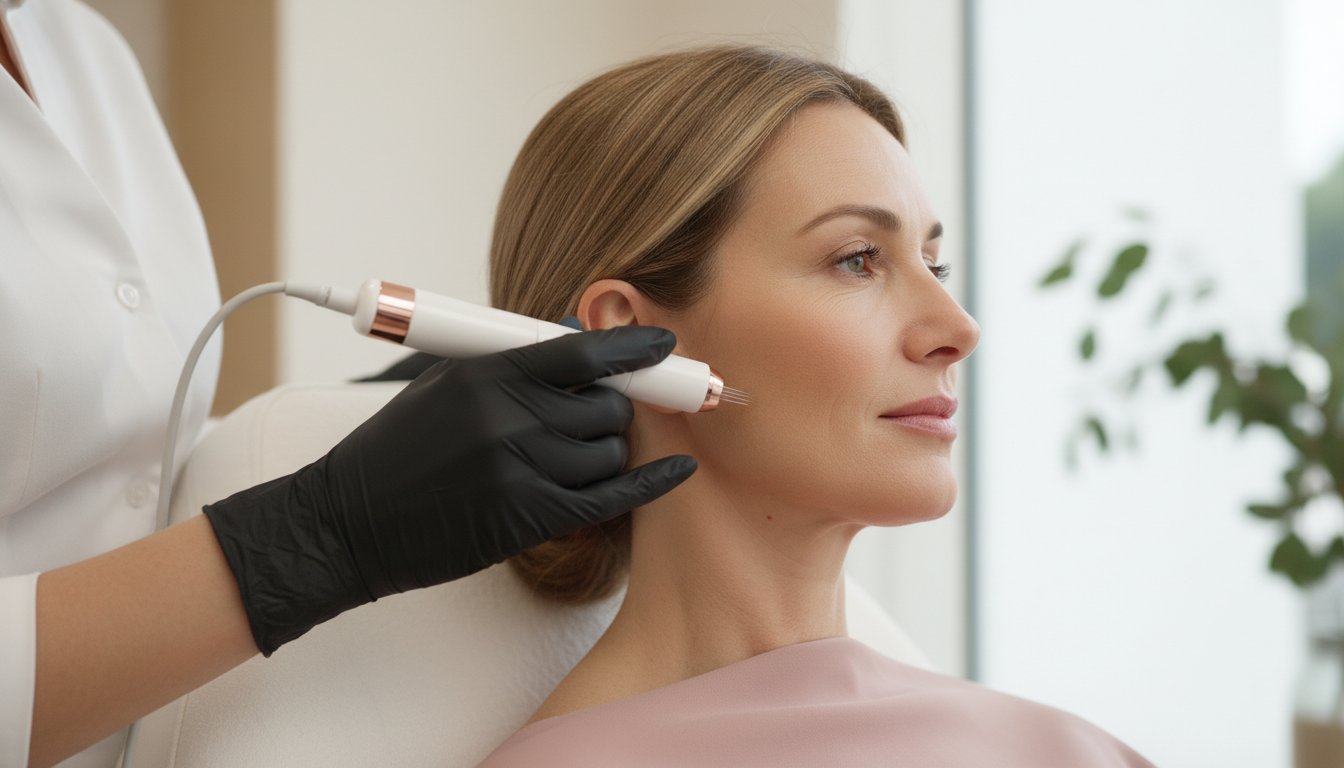
Traditional resurfacing often fails because it treats the symptom rather than the biological cause. For the modern aesthetic professional, the challenge isn’t just about smoothing the surface; it’s about fundamentally re-architecting the dermal matrix. Many practitioners recognise that clients are increasingly frustrated by ineffective over-the-counter serums and the persistent rough texture caused by the harsh Australian sun, yet they remain understandably wary of invasive surgical procedures. Understanding how to improve skin texture on mature clients in 2026 requires a shift from aggressive abrasion to sophisticated biological signalling.
This clinical guide reveals the professional protocols and advanced biologics required to transform ageing skin into a refined, radiant complexion. By integrating precision tools like the Mesopowerpen with innovative vegan exosomes, you can achieve a visible reduction in pore size and a significant restoration of skin elasticity. We’ll explore how to harness Boto Xtreme and targeted pigmentation solutions to deliver a lit-from-within glow while improving dermal thickness. This overview provides the technical depth and innovative strategies needed to meet the high standards of today’s discerning clientele.
Key Takeaways
- Identify the specific biological markers of mature skin, including dermal atrophy and the unique challenges posed by the Australian sun.
- Discover how to improve skin texture on mature clients through precision microneedling techniques that utilise Controlled Micro-Injuries to safely resurface fragile tissue.
- Explore the role of vegan exosomes as advanced extracellular vesicles that trigger deep-tissue repair and enhance overall skin resilience.
- Leverage ‘Boto-mimetic’ peptides and clinical-grade topicals to refine dynamic texture and ensure a radiant, ‘lit-from-within’ glow after every session.
- Design a high-yield 12-week clinical protocol that combines advanced biologics with professional devices to secure superior patient results and business growth.
Understanding the Biological Shift in Mature Skin Texture
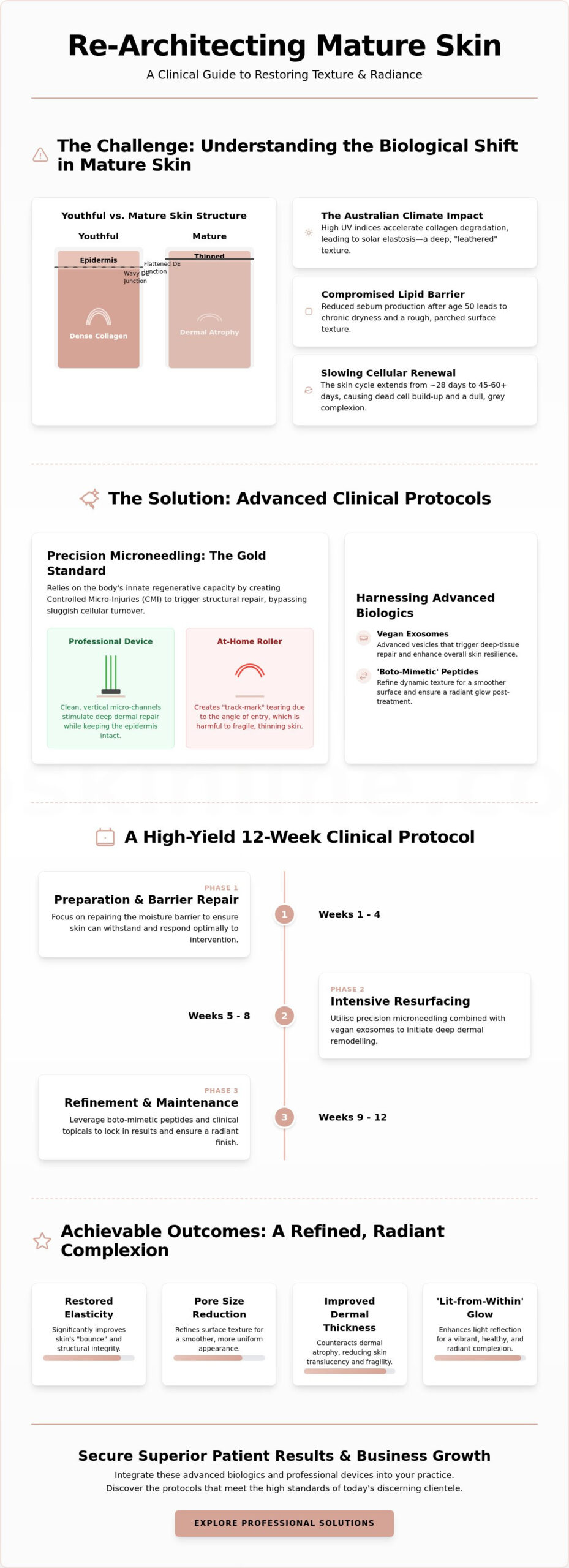
Mature skin texture is defined by a distinct biological duality: the simultaneous thinning of the epidermis and the atrophy of the underlying dermis. As we age, the dermal-epidermal junction flattens, leading to a loss of structural integrity that manifests as “crepeiness” and visible fragility. For practitioners determining how to improve skin texture on mature clients, it’s vital to recognise that this isn’t merely a surface issue. Dermal atrophy involves a significant reduction in glycosaminoglycans and collagen density. This means the skin loses its “bounce” and becomes increasingly translucent, making it more susceptible to external aggressors.
A critical factor often overlooked is the sharp decline in natural lipid production. Sebaceous gland activity diminishes significantly after the age of 50, creating a chronically compromised barrier. When the skin’s protective shield is weak, moisture escapes through transepidermal water loss (TEWL), leaving the texture feeling rough and parched. Standard exfoliation often fails in these cases. While it might temporarily smooth the surface, aggressive peeling on a compromised barrier can trigger inflammation and further thin already delicate tissue, exacerbating the very issues it aims to solve.
The Impact of the Australian Climate on Texture
The Australian environment presents a unique set of challenges for skin longevity. Our high UV indices accelerate the degradation of collagen and elastin fibres far beyond the global average. Chronic UV exposure leads to solar elastosis, a condition where damaged elastic tissue accumulates in the dermis, resulting in deep furrows and a “leathered” appearance, particularly along the jawline and neck. These profound skin changes from sun exposure require a restorative approach rather than just a corrective one. Before initiating intensive clinical resurfacing, practitioners must focus on repairing the moisture barrier to ensure the skin can withstand and respond to professional intervention.
Cellular Turnover and the 50+ Skin Cycle
Youthful skin typically renews itself every 28 days. In clients over 50, this cycle slows dramatically, often stretching to 45 or even 60 days. This sluggish turnover allows dead, desquamated cells to accumulate on the surface, which scatters light and results in a dull, “grey” complexion. To effectively address how to improve skin texture on mature clients, the goal shifts from simple removal to cellular “signalling”. We aren’t just buffing away the old; we’re using advanced biologics to encourage sluggish cells to behave like their younger counterparts. This biological re-education is the key to restoring a refined, vibrant skin surface that radiates health from within.
Precision Microneedling: The Gold Standard for Resurfacing
Precision microneedling has emerged as the definitive clinical intervention for age-related textural decline. Unlike aggressive laser treatments that may risk post-inflammatory hyperpigmentation in sun-damaged Australian skin, needling relies on the body’s innate regenerative capacity. By inducing microneedling collagen induction therapy, we initiate a cascade of growth factors that reorganises the dermal matrix. This process of Controlled Micro-Injuries (CMI) is particularly effective when addressing how to improve skin texture on mature clients, as it bypasses the sluggish cellular turnover discussed previously to trigger immediate structural repair.
Beyond the physical injury, the creation of thousands of temporary micro-channels allows for unparalleled delivery of active biologics. In mature tissue, where the lipid barrier is often compromised, these channels ensure that high-performance serums reach the viable layers of the skin rather than sitting on a parched surface. It’s crucial to distinguish these professional protocols from at-home rollers. Professional devices offer vertical needle entry, whereas at-home rollers often create “track-mark” tearing due to the angle of entry; this is disastrous for fragile, thinning skin. Expert precision ensures the epidermis remains intact while the dermis is stimulated.
The Mesopowerpen Advantage for Mature Tissue
The Mesopowerpen represents a significant leap in clinical precision for the modern aesthetician. Its advanced motor stability ensures that needles enter and exit the tissue with absolute verticality, virtually eliminating the “drag” and epidermal trauma associated with less sophisticated equipment. For a practitioner, this level of control is non-negotiable when working on the periorbital region or the neck, where the skin is at its thinnest. Ensuring a stable, high-speed needle oscillation prevents tearing and promotes a much faster healing response, which is essential for clients with slower recovery cycles.
Optimising Needle Depth for Textural Refinement
Strategic depth adjustment is the hallmark of an expert clinician. For general epidermal glow and pore refinement, a conservative depth of 0.25mm to 0.5mm is often sufficient to stimulate the dermal-epidermal junction. However, treating deep rhytids or chronic solar elastosis requires reaching the papillary dermis, typically necessitating deeper settings depending on the anatomical site. Practitioners must balance efficacy with safety to ensure rapid re-epithelialisation.
- Epidermal Glow: 0.25mm to 0.5mm for superficial refinement and pore size reduction.
- Dermal Remodelling: 1.0mm to 1.5mm for addressing deep-set wrinkles and “leathery” sun damage.
- Barrier Support: Immediate post-care must include lipid-rich formulas to seal the micro-channels.
To achieve these superior outcomes in your own clinic, you might consider how the right professional microneedling equipment can elevate your results and client satisfaction.
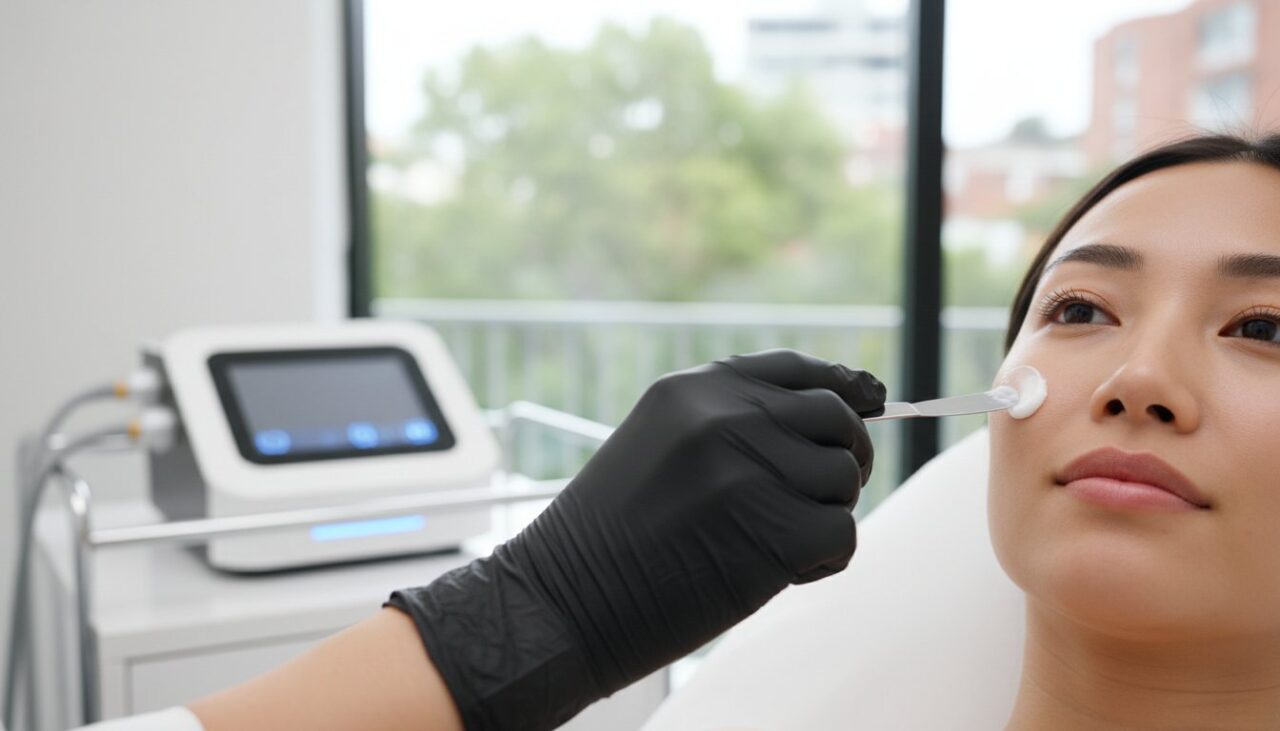
Vegan Exosomes and the Future of Dermal Repair
Biological signalling represents the next evolution in aesthetic medicine. For years, the industry relied on traditional growth factors; now, we utilise exosomes. These extracellular vesicles act as high-speed messengers, facilitating precise cell-to-cell communication. When practitioners consider how to improve skin texture on mature clients, they must look at how these vesicles ‘instruct’ fibroblasts to synthesise new collagen and elastin. Unlike traditional growth factors, which can be unstable or difficult for the skin to process, vegan exosomes are high-purity, stable, and incredibly potent. They offer a scalable, ethical alternative to human or animal-derived versions, ensuring a consistent clinical outcome without the risk of impurities.
High-purity vegan exosomes are now the gold standard for dermal repair. They don’t just provide the skin with nutrients. They provide it with a blueprint. While effective topical treatments for aging skin such as retinoids remain essential, exosomes operate at a deeper, more fundamental level. They trigger a regenerative response that directly counters the dermal atrophy discussed earlier. Determining how to improve skin texture on mature clients in a clinical setting now involves these advanced signalling agents to restore a robust skin architecture and a visible refinement of the skin surface.
Exosomes vs. Traditional Mesotherapy
Traditional mesotherapy typically involves a cocktail of vitamins and amino acids to nourish the tissue. Exosomes represent a much more targeted approach. Rather than just feeding the skin, they command it to repair itself. When delivered via microneedling, these vesicles penetrate the micro-channels to reach the deeper layers where they’re most effective. This synergy results in significantly faster healing times and more resilient tissue compared to standard vitamin injections.
Addressing the ‘Salmon DNA’ Trend in Australia
Polynucleotide treatments, often derived from salmon sperm, have gained traction in the Australian market. However, vegan exosomes offer distinct advantages. Many mature clients prefer non-animal derived biologics for ethical reasons. Beyond ethics, plant-based exosome technology provides a higher level of purity and a lower risk of an inflammatory response. This makes them an ideal choice for those seeking sophisticated, clean, and highly effective textural refinement without the use of animal by-products.
Topical Mastery: Maintaining Texture Between Treatments
Clinical excellence doesn’t end when the client leaves the treatment room. While microneedling and exosome therapy provide the structural foundations, the long-term success of any rejuvenation plan relies on high-performance home care. For practitioners advising on how to improve skin texture on mature clients, the goal is to bridge the gap between sessions with formulations that sustain cellular activity. This maintenance phase ensures that the refined surface achieved in-clinic doesn’t regress due to environmental stress or intrinsic ageing.
Achieving the quintessential ‘Australian Glow’ is a delicate balance. Mature clients often struggle with a paradox: they require deep hydration to combat sun-induced dryness, yet they want to avoid the heavy, oily residue that can make skin look congested rather than radiant. Modern topical mastery involves using intelligent delivery systems that sink into the dermal layers. This provides a sophisticated finish that feels weightless while delivering the potent actives needed to maintain a smooth, light-reflective surface.
To explore a range of high-performance products that align with these standards, you can discover Luminous Touch and their collection of advanced skincare solutions.
Boto Xtreme: The Non-Invasive Texture Smoother
Dynamic texture, the fine lines that appear through expression, requires a specific approach. Boto Xtreme integrates ‘Boto-mimetic’ peptides designed to soften the micro-contractions of the facial muscles. By topically inhibiting these signals, the skin surface remains relaxed and smooth; this prevents the deepening of forehead furrows and crow’s feet. This daily intervention is particularly effective when used to complement radio frequency treatments. While RF works on deeper dermal tightening, Boto Xtreme ensures the epidermal surface remains refined and tranquil.
Refining the Eye Area with Eyelift Serums
The periorbital region is notoriously difficult to treat due to its extreme thinness and lack of sebaceous glands. Texture here often manifests as crepeiness or puffiness that distorts the eye’s contour. Eyelift serum addresses these specific needs by combining lifting agents with ingredients that improve lymphatic drainage. Reducing fluid retention is a key step in smoothing the skin’s surface. When used in conjunction with professional facials, this targeted eye rejuvenation helps restore the ‘snap’ to the skin. It ensures the most delicate part of the face matches the refined texture of the rest of the complexion.
Explore our full range of professional clinical skincare to find the perfect home-care protocols for your clients.
Organising a Clinical Protocol for Mature Client Success
Structuring a 12-week ‘Texture Transformation’ programme is the most effective way to address how to improve skin texture on mature clients while ensuring clinic profitability. A phased approach allows the skin to build resilience before intensive stimulation begins. For the first four weeks, the focus remains on barrier restoration and lipid replenishment to prepare the tissue. The middle phase, from weeks five to eight, introduces precision needling and bio-signalling to drive structural changes. The final four weeks are dedicated to maintaining the refined glow through targeted topicals. This logical progression ensures safety and delivers the visible transformation that high-tier clients expect.
During the initial consultation, honesty is paramount. Mature skin has biological limits; we aren’t aiming for the impossible. Instead, we promise a refined, healthy, and resilient version of the client’s own skin. Setting these realistic expectations builds long-term trust and high retention rates. Aesthetic medicine is evolving rapidly. Staying at the forefront of these changes requires a commitment to ongoing learning. Enrolling in advanced facial courses ensures your team can execute these complex protocols with confidence. It’s about mastering the intersection of technology and biology.
Combining Modalities for Maximum Impact
Maximum impact is achieved through intelligent layering. The ‘sandwich’ technique is a clinical favourite: prep the skin with a mild enzymatic peel, treat using the Mesopowerpen and vegan exosomes, then seal the micro-channels with a lipid-rich barrier cream. This method ensures that signalling molecules are trapped within the tissue to maximise their regenerative potential. The success of this method depends entirely on the quality of your tools. High-grade professional mesotherapy supplies are the non-negotiable foundation of any successful clinic in 2026. Using inferior products on fragile mature skin risks inflammation and inconsistent results.
The Business of Mature Skin Rejuvenation
Mature clients represent a significant commercial opportunity in the Australian market. They value quality and are often looking for long-term skin longevity over quick, aggressive fixes. By marketing ‘Skin Quality’ and ‘Radiance’ rather than just ‘Anti-Ageing’, you align with modern consumer mindsets. This demographic has a high lifetime value; they appreciate the sensory experience of luxury skincare as much as the clinical results. Offering high-end, non-invasive packages creates a predictable revenue stream while providing the client with a clear path to their desired outcome. Empower your clinic to deliver these world-class results. Discover the complete Mesoskinline Australia range and transform your professional offerings today.
Elevating Standards in Mature Skin Longevity
The journey to skin longevity for the over-50 demographic has moved beyond basic resurfacing into a new era of biological re-education. By addressing the specific challenges of dermal atrophy and the unique impact of the Australian climate, practitioners can finally master how to improve skin texture on mature clients with clinical precision. Success lies in the synergy between precision microneedling and the latest advancements in vegan exosome technology. These protocols don’t just smooth the surface; they fundamentally re-architect the skin from within, restoring the structural integrity lost to time and environmental stress.
As the exclusive APAC distributor for Danish clinical technology, we provide the tools and formulations required to deliver these high-tier outcomes. Our specialised vegan exosome and peptide formulations are trusted by leading Australian aesthetic clinics to provide safe, visible, and transformative results. By combining advanced clinical training with premium biologics, you can ensure your clinic remains at the forefront of the regenerative aesthetic movement.
Discover the Advanced Mesoskinline Range for Professional Practitioners and elevate your clinical offerings. It’s time to redefine what’s possible for ageing skin and provide your clients with the radiant, resilient complexion they deserve.
Frequently Asked Questions
How often should mature clients receive professional microneedling for texture?
Clinical protocols typically recommend a session every four to six weeks. This spacing allows the slower 45 to 60 day cellular turnover cycle of mature skin to complete its regenerative process. Once the initial series is finished, maintenance appointments every three to four months help sustain the structural integrity of the dermal matrix.
Can vegan exosomes be used on sensitive or reactive mature skin?
Vegan exosomes are remarkably well tolerated by sensitive or reactive tissue due to their high purity and lack of animal derived impurities. They actually function as a calming agent by ‘instructing’ the skin to repair its compromised barrier and reduce chronic inflammation. This makes them a superior choice for clients who find traditional chemical peels too aggressive.
Is it possible to improve skin texture without using invasive fillers or Botox?
Practitioners can achieve significant results by focusing on how to improve skin texture on mature clients using non invasive biological signalling. By combining the Mesopowerpen with vegan exosomes and topical Boto Xtreme, you can refine the skin surface and soften dynamic lines. These methods focus on dermal thickening and epidermal smoothing rather than just masking volume loss.
What is the best way to treat sun-damaged texture on the neck and décolletage?
Treating the neck and décolletage requires a combination of precision microneedling and targeted pigmentation solutions. Since the skin in these areas is thinner and has fewer oil glands, the protocol must be gentler but more frequent. Using a stabilised device prevents the epidermal tearing that often occurs with lower quality equipment in these fragile zones.
How long does it take to see visible results from a clinical texture protocol?
Clients often notice a ‘lit-from-within’ glow within a week due to increased hydration and superficial exfoliation. However, the deep structural changes required to refine pores and smooth deep-set texture usually take eight to twelve weeks to manifest. This timeline aligns with the production of new collagen and the biological repair cycles triggered by the treatment.
Can I use Boto Xtreme serum if I already have professional anti-wrinkle injections?
Boto Xtreme is an excellent companion to professional anti-wrinkle injections as it helps maintain a smooth, relaxed skin surface between clinical appointments. The ‘Boto-mimetic’ peptides work topically to soften the micro-contractions that injections might not fully reach. This dual approach provides a more comprehensive and long-lasting textural refinement.
Why is professional-grade equipment better than at-home skin needling pens?
Professional equipment like the Mesopowerpen offers superior motor stability and precision needle quality that at-home devices simply cannot match. At-home pens often lack the power to maintain vertical needle entry; this causes ‘track-mark’ tearing and unnecessary trauma to mature tissue. Clinical devices ensure a controlled micro-injury that triggers repair without risking long-term scarring or barrier damage.
How does the Australian climate specifically affect the ageing process of skin?
The extreme UV levels in Australia accelerate solar elastosis, where damaged elastin fibres accumulate and create a leathery, thickened texture. This chronic sun exposure also depletes the skin’s natural lipid reservoir much faster than in cooler climates. Understanding how to improve skin texture on mature clients in this local context means prioritising both collagen repair and intensive barrier restoration.
What Others Are Reading:


Stay in the Glow
Get skincare tips and early access to new products.
