
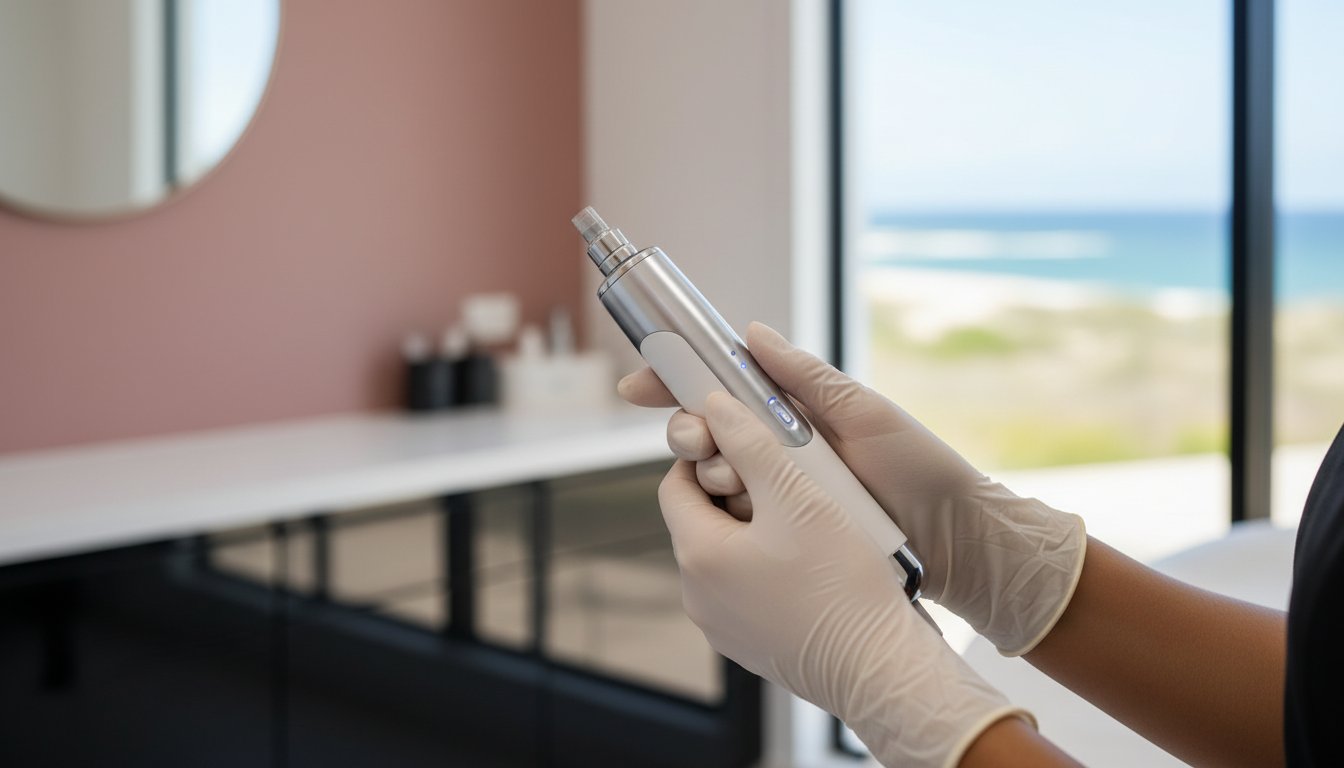
Microneedling Safety Standards Australia: The 2026 Practitioner’s Guide to Clinical Excellence
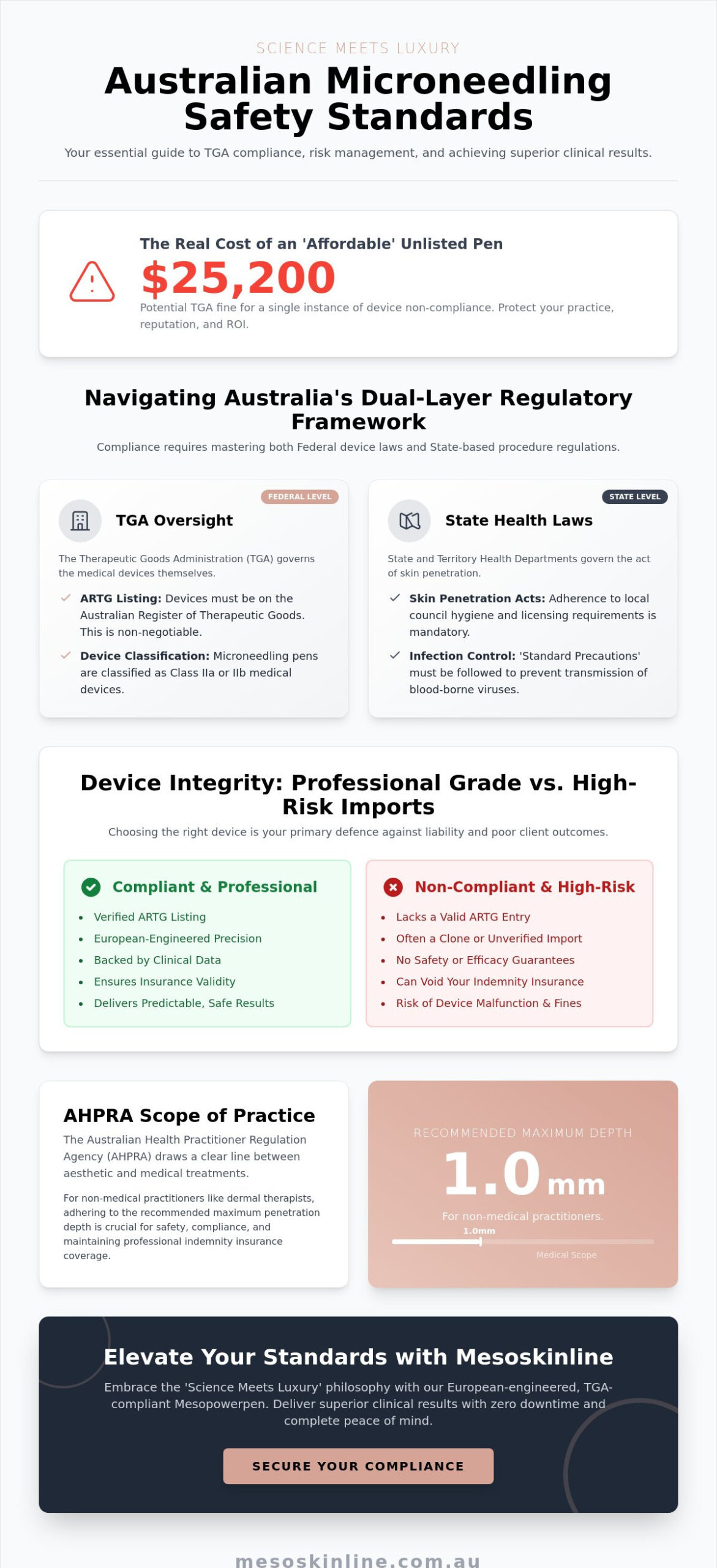
With the TGA issuing fines as high as $25,200 for device non-compliance, the cost of an ‘affordable’ unlisted pen has never been higher. You likely opened your clinic to provide bespoke transformations and gold-standard care, not to spend your nights worrying about government audits. Adhering to the latest microneedling safety standards australia is the ultimate business strategy. Science Meets Luxury. We’ve created this guide to ensure you master the July 1, 2026, Unique Device Identification (UDI) deadline and maintain total legal compliance without compromising on your ROI.
You’ll discover exactly how to align your practice with the 2026 AHPRA guidelines, which recommend a maximum penetration depth of 1mm for non-medical practitioners to ensure client safety. We’ll examine the critical importance of ARTG-listed devices and the move toward technologically advanced equipment like the Dermalogica PRO Pen. This overview provides the clarity you need to distinguish professional-grade European systems from high-risk imports, ensuring your clinic remains both prestigious and protected while delivering superior clinical results with no downtime.
Key Takeaways
- Master the dual-layer regulatory framework by understanding how Federal TGA requirements intersect with State-specific Skin Penetration Acts to ensure your clinic remains fully compliant.
- Navigate the 2026 classification shift for microneedling pens, distinguishing between Class IIa and IIb devices to secure your business against legal liability.
- Protect your reputation and patient results by applying rigorous microneedling safety standards australia when vetting professional devices against low-quality clones or unverified imports.
- Implement a sophisticated, clinical-grade infection control protocol that maintains the sensory experience of a luxury salon while meeting strict public health obligations.
- Elevate your practice with European-engineered precision using the Mesopowerpen and advanced clinical training to achieve superior results with no downtime.
Navigating the Australian Regulatory Landscape for Microneedling
Science meets luxury at the intersection of clinical precision and legal compliance. For the modern Australian practitioner, excellence isn’t just about the visible transformation; it’s about mastering the rigorous microneedling safety standards australia demands. Under the 2026 Public Health framework, microneedling, often clinically referred to as Collagen induction therapy, is strictly defined as a skin penetration procedure. This means your business operates under a dual-layer regulatory system that demands meticulous attention to detail. It’s a sophisticated landscape where federal oversight and state laws must align perfectly to protect both your patients and your reputation.
The TGA manages the federal oversight of the devices you use, but the physical act of needling falls under state-based Skin Penetration Acts. You can’t have one without the other. If you’re using an ARTG-listed device but failing to meet your local council’s hygiene requirements, you’re exposing your business to significant risk. Every jurisdiction has its own nuances; therefore, identifying whether you need a specific skin penetration licence is your first step toward a turnkey, compliant model. This foundation of legal awareness ensures that your “Science Meets Luxury” brand promise is built on solid ground.
The Role of State Health Departments
Local councils act as the primary enforcement body for skin penetration premises across Australia. By 2026, inspection criteria have become increasingly granular, focusing on documented waste disposal paths and the physical layout of your treatment zone. You must register your business with your local authority before performing your first treatment. Compliance relies on ‘Standard Precautions’, a set of clinical protocols designed to prevent the transmission of blood-borne viruses like Hepatitis B and C. This isn’t just paperwork; it’s the invisible architecture of a luxury clinic that prioritises patient safety above all else.
AHPRA and Professional Scope of Practice
The Australian Health Practitioner Regulation Agency (AHPRA) maintains a sharp distinction between aesthetic and medical-grade procedures. While dermal therapists provide exceptional results with depths up to 1mm, deeper treatments are often reserved for registered medical professionals. In 2026, the industry has seen a 15% increase in audits regarding scope of practice. Ensuring your professional indemnity insurance specifically covers the depths and devices you utilise is vital for long-term success. It’s the difference between a thriving, reputable clinic and one vulnerable to the heavy TGA fines mentioned earlier. Professionalism is the ultimate luxury.
TGA Requirements and the Australian Register of Therapeutic Goods (ARTG)
In the Australian aesthetic industry, a microneedling pen isn’t just a tool; it’s legally defined as a medical device if it’s intended to be used for a therapeutic purpose. This includes claims related to skin remodelling, acne scar reduction, or any procedure that alters the skin’s physiological processes. Under the 2026 regulatory framework, the Therapeutic Goods Administration (TGA) has tightened the classification of these devices. Most professional pens now fall into Class IIa or Class IIb categories, depending on their invasiveness and the specific claims made by the manufacturer. Operating without an understanding of these classifications puts your clinic at significant legal risk.
Confirming your equipment’s status is your most vital pre-purchase protocol. You must ensure any device you use is listed on the Australian Register of Therapeutic Goods (ARTG). This register is the only source of truth for legal medical devices in Australia. Using a device that lacks a valid ARTG entry isn’t just a breach of microneedling safety standards australia; it’s a liability that can void your professional indemnity insurance and lead to immediate clinical closure. Verification is simple; you can search the register by the manufacturer’s name or the device’s unique entry number.
Importation and Supply Laws
The temptation to source devices from overseas marketplaces like eBay or Alibaba carries a heavy price. In 2020, the TGA issued fines totalling $25,200 to a single group for the alleged unlawful importation of cosmetic medical devices. By 2026, the introduction of the Unique Device Identification (UDI) system on July 1 has made it even easier for authorities to track and penalise non-compliant equipment. Partnering with an established distributor like Mesoskinline Australia ensures your equipment meets every federal requirement, allowing you to focus on delivering luxury results. If you’re looking for a compliant, high-performance solution, the Mesopowerpen offers a turnkey model for the modern practitioner.
Advertising and Therapeutic Claims
Your marketing must be as precise as your clinical technique. The TGA strictly regulates how you advertise microneedling services, particularly when using devices listed on the ARTG. You must avoid ‘prescriptive’ language that suggests a device can ‘cure’ a condition unless it’s specifically cleared for that therapeutic use. For example, while the Dermalogica PRO Pen received clearance in 2025 for treating facial acne scars, other devices may only be cleared for general skin rejuvenation. ARTG inclusion is the gold standard for device safety in 2026. Maintaining this distinction in your marketing protects your business from the scrutiny of AHPRA and the TGA, ensuring your brand remains a trusted authority in the luxury aesthetic space.
Assessing Device Integrity: Professional Grade vs. Non-Compliant Imports
The allure of a low-cost device from an international marketplace often masks a significant clinical liability. In a market where microneedling safety standards australia are increasingly stringent, the mechanical integrity of your equipment is your first line of defence. Professional-grade pens are defined by motor stability and needle precision, ensuring that each micro-channel is created with vertical accuracy. Conversely, unverified “Dr Pen” clones and eBay imports frequently suffer from needle oscillation. This lateral movement causes epidermal tearing rather than controlled trauma, leading to prolonged inflammation and unpredictable patient outcomes. Precision is the difference between a luxury treatment and a clinical risk.
Investing in high-calibre equipment isn’t just a safety protocol; it’s a calculated business move. Our Professional Microneedling guide highlights how precision engineering directly influences your bottom line. Superior devices ensure consistent depth, which facilitates faster healing and visible transformation. This “No Downtime · Higher ROI” model is what keeps clients returning to your clinic. When a device operates with clinical excellence, you reduce the risk of adverse events that could trigger a TGA investigation or a surge in insurance premiums.
Needle Quality and Sterile Cartridges
The science of needle gauge is fundamental to effective fibroblast activation. High-end cartridges utilise ultra-fine needles, typically 33G or 34G, to trigger the wound-healing response without unnecessary tissue damage. A critical safety feature for any professional pen is the integrated anti-backflow membrane. This barrier prevents blood and treatment serums from entering the handpiece, eliminating the risk of cross-contamination between patients. By 2026, using anything other than single-use, sterile-packaged cartridges with verified fluid barriers is a direct violation of Australian hygiene non-negotiables.
European Standards in the Australian Market
European clinical engineering, particularly from Denmark and Italy, carries a global reputation for prestige and reliability. While TGA listing is the legal baseline, a CE marking serves as a secondary hallmark of quality, indicating the device meets rigorous European health and safety requirements. This European heritage acts as a powerful marketing tool for luxury salons, reassuring patients that their practitioner values gold-standard technology. Science Meets Luxury. By choosing devices with a documented lineage of European precision, you align your business with a visionary expert standard that is trusted by professionals worldwide.
Infection Control and Public Health Obligations for Australian Salons
Establishing a ‘Clinical Grade’ environment is the hallmark of a visionary practitioner. In the luxury aesthetic sector, your hygiene protocols must be as impeccable as your results. While previous sections focused on device listing, the actual treatment environment is governed by state-based Public Health Acts, such as the NSW Public Health Regulation 2022. To meet microneedling safety standards australia, every surface must be treated with a TGA-listed hospital-grade disinfectant. The 2026 protocol for sterile preparation begins with a surgical-grade hand wash, followed by the creation of a dedicated sterile field. Integrating bacteriostatic water into your preparation ensures that your skin cleansing and cocktail dilution remain free from microbial growth throughout the session. Precision is the ultimate protection.
Waste management is equally critical. All used needle cartridges must be disposed of in a yellow sharps container that complies with Australian Standard AS/NZS 3816:2018. Biohazardous waste, including blood-contaminated gauze, requires disposal in marked clinical waste bags. These steps aren’t just suggestions; they’re mandatory public health obligations for any Australian business performing skin penetration. Our standardised 2026 protocol follows five clinical stages:
- Hand decontamination using a povidone-iodine or chlorhexidine scrub.
- Surface disinfection of the treatment trolley with TGA-listed wipes.
- Creation of a sterile field using a fenestrated drape.
- Preparation of the handpiece with a single-use protective sleeve.
- Skin antisepsis using sterile cleansing agents and bacteriostatic solutions.
The Sterile Cocktail Protocol
The Sterile Cocktail Protocol is a non-negotiable aspect of clinical excellence. Using non-sterile serums during a procedure that breaches the epidermal barrier is a major safety violation. When you perform fibroblast activation, you’re creating direct pathways into the dermis. This is why we only utilise sterile, single-use cocktails enriched with peptides and vegan exosomes. These formulations are designed for transdermal delivery, ensuring that your skin rejuvenation results are achieved without the risk of granulomas or systemic infection. Science Meets Luxury. Your choice of serum is as important as the device itself.
Mandatory Aftercare and Client Consent
By 2026, the Australian standard for client consultation has evolved to require a formalised risk disclosure and written consent. You have a legal duty of care to manage adverse events, which includes providing a comprehensive, written aftercare plan. This plan should detail the avoidance of active ingredients for 48 hours and the mandatory use of broad-spectrum SPF. Proper aftercare is the final step in maintaining microneedling safety standards australia and fulfilling your ‘No Downtime’ promise. To ensure your clinic meets these rigorous requirements, explore our range of professional clinical solutions today.
Elevating Standards with Mesoskinline: Science Meets Luxury
Clinical safety is the ultimate luxury. In the high-end aesthetic market, your commitment to the most rigorous microneedling safety standards australia offers is what separates a standard salon from a visionary centre of excellence. We believe that adherence to regulation shouldn’t be viewed as a legal hurdle; it’s a sophisticated business strategy. When you invest in gold-standard equipment and sterile protocols, you aren’t just avoiding liability. You’re building an aspirational brand. Science Meets Luxury. This philosophy ensures that every treatment delivered with the Mesopowerpen reflects the precision of European engineering and the security of full Australian compliance.
The business of safety is built on a simple, powerful equation: No Downtime · Higher ROI. By using medical-grade technology that ensures vertical needle entry and motor stability, you minimise epidermal trauma. This allows your clients to return to their daily lives immediately, which significantly increases client retention and word-of-mouth referrals. To support this transition toward clinical mastery, we offer Advanced Facial Courses designed to elevate your technical skills. These programmes ensure you aren’t just operating a device, but mastering a complete system for success that is trusted by professionals across the APAC region.
A Turnkey Model for Success
Mesoskinline provides more than just a pen; we deliver a complete turnkey model that addresses the most common patient pains. From targeted pigmentation solutions to hair loss control and our specialised Boto Xtreme, our systems are designed for immediate integration into your clinic. As the exclusive distributor for Mesoskinline in Australia and New Zealand, we provide our partners with a unique competitive edge. You gain access to a curated range of premium mesotherapy supplies that meet every 2026 safety benchmark, ensuring your practice remains at the forefront of the industry.
The Future of Skin Rejuvenation
The landscape of 2026 is defined by rapid innovation in regenerative aesthetics. We’re leading this shift with the introduction of vegan exosomes and advanced fibroblast activation protocols that deliver visible transformation without the risks associated with traditional, aggressive treatments. Staying ahead requires a commitment to continuous education and the use of sterile, high-performance cocktails. This is how you maintain your status as a visionary expert. It’s time to transform your practice into a sanctuary of safety and science. Partner with the leaders in Australian microneedling excellence and secure the future of your clinic today.
Securing Your Clinical Legacy in 2026
Adhering to the latest microneedling safety standards australia is more than a regulatory requirement; it’s the foundation of a prestige brand. You’ve learned that mastering the July 1, 2026, UDI deadline and aligning with AHPRA depth recommendations are essential steps for any clinic aiming for longevity. True clinical excellence requires a shift from simply performing treatments to operating as a visionary expert who prioritises device integrity and sterile protocols above all else. Science Meets Luxury.
By choosing equipment rooted in European clinical standards from Denmark and Italy, you ensure your practice remains at the forefront of the industry. Mesoskinline offers a path that combines gold-standard safety with the luxury results your clients demand. Our ARTG-compliant devices are trusted by leading Australian aesthetic professionals to deliver a turnkey model for success. It’s time to transition your salon into a centre of scientific precision and aspirational beauty. Elevate your clinic with Mesoskinline’s ARTG-compliant technology and professional training.
Your journey toward clinical mastery starts with a single decision to prioritise safety. We’re here to support your success every step of the way.
Frequently Asked Questions
Is microneedling a regulated procedure in Australia in 2026?
Microneedling is strictly regulated under the 2026 Australian Public Health framework. The Therapeutic Goods Administration (TGA) oversees the safety and entry of devices on the ARTG, while state-based legislation governs the physical act of skin penetration. Practitioners must comply with both federal device standards and local council hygiene requirements to operate legally.
Do I need a medical degree to perform microneedling in an Australian salon?
You don’t need a medical degree to perform aesthetic microneedling, but your scope of practice is limited by your qualifications. Non-medical practitioners, such as dermal therapists, are restricted to a penetration depth of 1mm or less according to 2026 AHPRA guidelines. Procedures exceeding this depth or those making specific medical claims are typically reserved for registered health professionals.
How do I check if my microneedling pen is TGA approved?
You can verify your device’s legal status by searching the Australian Register of Therapeutic Goods (ARTG) on the TGA website. Every professional device must have a unique ARTG entry number provided by the manufacturer or Australian sponsor. If a device doesn’t appear on this public database, it isn’t cleared for therapeutic use in an Australian clinical setting.
What are the penalties for using non-ARTG listed devices in a professional clinic?
Penalties for using non-compliant devices are severe and can include criminal prosecution or civil fines. The TGA has previously issued infringement notices exceeding $25,000 for the unlawful importation and supply of unlisted medical devices. Beyond financial loss, using unverified equipment typically voids your professional indemnity insurance, leaving your business vulnerable to personal injury claims.
What hygiene standards must I follow for skin penetration in Australia?
Practitioners must adhere to the microneedling safety standards australia enforces through state-specific Public Health Acts and Regulations. These standards mandate the use of sterile, single-use needle cartridges and TGA-listed hospital-grade disinfectants. You must also maintain a dedicated clinical waste management system for sharps and biohazardous materials to meet local council inspection criteria.
Can I use any serum with a microneedling device?
You must only use sterile, single-use “cocktails” specifically formulated for transdermal delivery during the procedure. Applying non-sterile cosmetic serums into micro-channels can lead to granulomas or systemic infections. Opting for professional formulations like vegan exosomes or peptides ensures that your treatments remain safe while delivering the luxury results your clients expect.
What is the difference between home-use rollers and professional microneedling pens?
Home-use rollers are typically limited to 0.25mm and are designed for superficial exfoliation rather than collagen induction. Professional pens, like the Mesopowerpen, offer motor-driven precision and adjustable depths that allow for targeted fibroblast activation. These clinical devices are built with anti-backflow membranes to prevent cross-contamination, a feature absent in consumer-grade rollers.
How often do Australian health authorities inspect aesthetic clinics?
Local council environmental health officers typically conduct inspections of skin penetration premises once every 12 to 24 months. These audits focus on your sterilisation logs, waste disposal contracts, and general clinic cleanliness. Maintaining gold-standard protocols ensures you’re always prepared for an unannounced visit, protecting your reputation as a visionary expert in the field.

Stay in the Glow
Get skincare tips and early access to new products.
