
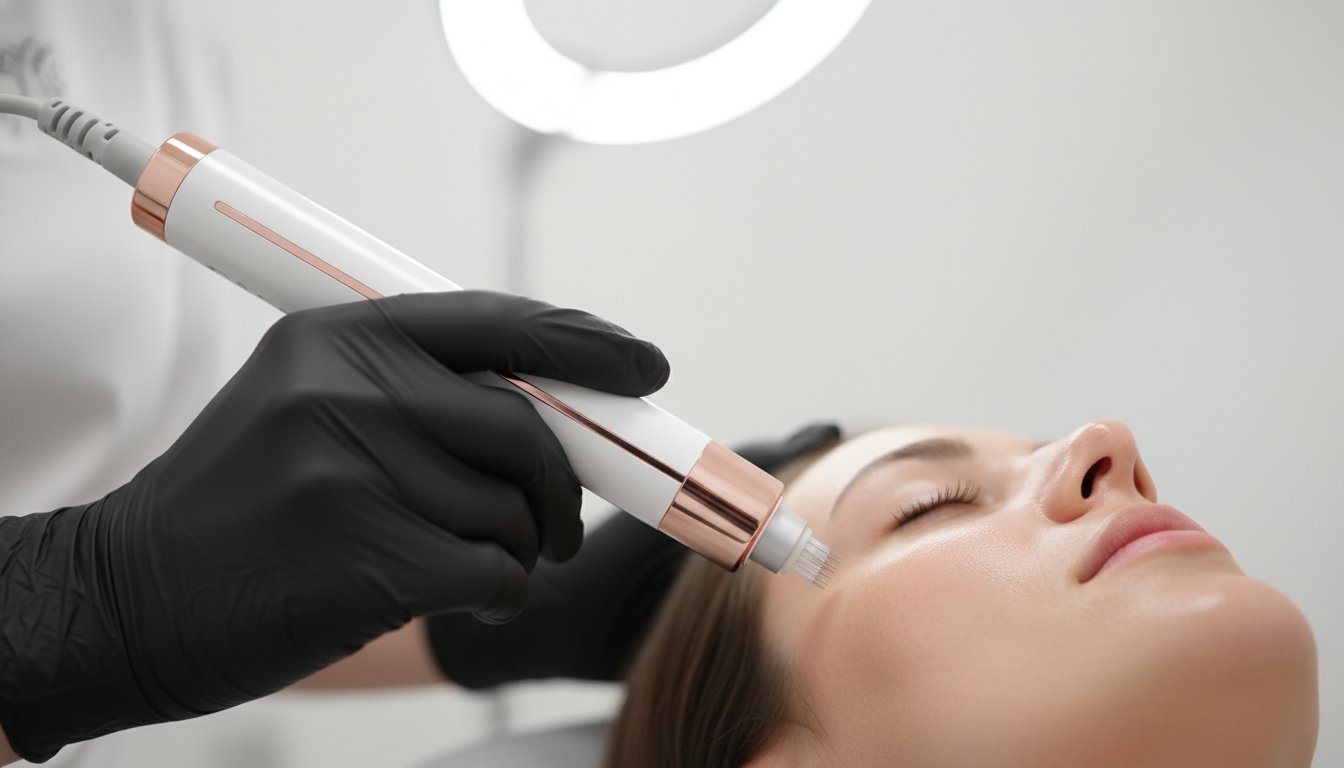
Upgrading Your Clinic’s Microneedling Device: The 2026 Australian Practitioner’s Guide
What if the very device you rely on for skin rejuvenation is actually the biggest bottleneck to your clinic’s profitability and compliance? With the July 1, 2026, deadline for Unique Device Identification (UDI) and mandatory reclassification applications fast approaching, the stakes for upgrading your clinic’s microneedling device have never been higher. You’ve likely noticed that today’s clients, particularly the millennials who now drive over 50% of cosmetic consultations in Australia, are no longer willing to accept the significant downtime associated with older, traumatic needling protocols.
We understand that balancing AHPRA’s strict penetration depth guidelines with the demand for visible, luxury results feels like a constant tightrope walk. This guide provides a clear pathway to transition your practice toward next-generation skin infusion technology that marries clinical precision with high-end elegance. Science meets luxury. You’ll discover how to implement a turnkey business model that prioritises no-downtime efficacy and local Australian support; ensuring your clinic remains at the forefront of an aesthetic market projected to reach $419.18 million by 2031.
Key Takeaways
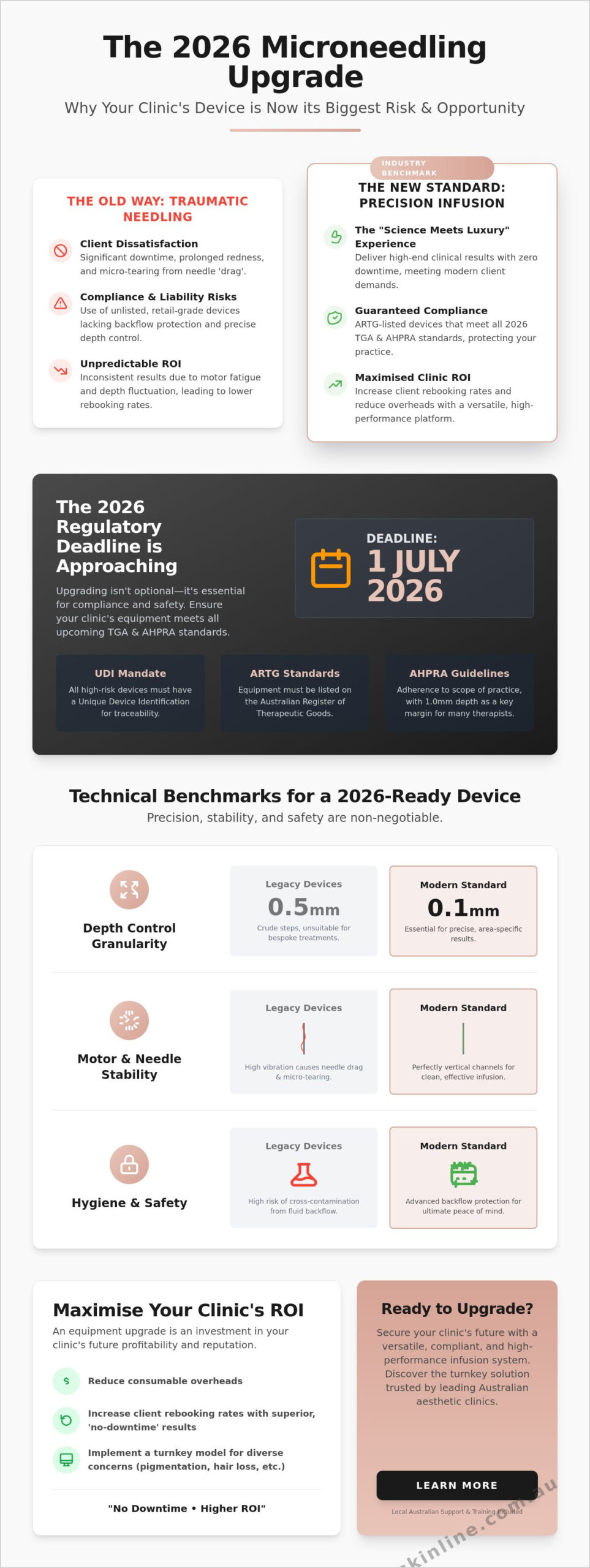
- Understand the critical shift from traditional, traumatic skin needling to modern mesotherapy infusion to meet the growing demand for luxury results with zero downtime.
- Identify the essential technical benchmarks for 2026, including why 0.1mm depth increments are necessary for delivering truly bespoke clinical treatments.
- Learn how upgrading your clinic’s microneedling device to a high-performance system can maximise your ROI by reducing consumable overheads and increasing client rebooking rates.
- Navigate the evolving Australian regulatory landscape to ensure your equipment meets all ARTG standards and avoids the liability risks of retail-grade devices.
- Discover how to implement a turnkey business model that allows your practice to treat diverse concerns, from pigmentation to hair loss, with a single versatile platform.
The Evolution of Skin Needling: Why Upgrading Your Clinic’s Microneedling Device is Essential in 2026
The Australian aesthetic landscape has shifted significantly. Practitioners no longer view technology as a decade-long investment. Instead, a three to four year “modern upgrade cycle” has become the industry benchmark to ensure clinics stay ahead of both regulatory changes and patient demands. If you are still using equipment from the early 2020s, upgrading your clinic’s microneedling device is no longer just a luxury; it’s a requirement for clinical safety and business viability in 2026.
The transition from manual dermal rollers to high-frequency electronic pens represents a fundamental change in how we approach Collagen induction therapy (CIT). While early methods relied on aggressive mechanical trauma to trigger a healing response, the current standard is built on precision. Clients now expect the “Science Meets Luxury” experience. This means achieving high-end clinical results without the “bloody” downtime or significant inflammation associated with legacy tools.
The Hidden Risks of Using Outdated Needling Technology
Legacy devices often suffer from motor fatigue and unstable needle oscillation. When a motor lacks the torque to maintain consistent speed, needles can “hook” or “drag” through the stratum corneum. This causes micro-tearing rather than clean vertical channels, leading to prolonged redness and client dissatisfaction. Inconsistent depth is another silent profit-killer; if the device fluctuates even by 0.2mm, your results become unpredictable. Modern practitioners must also prioritise hygiene. Many older pens lack advanced backflow protection, which increases the risk of cross-contamination between treatments.
Meeting the 2026 Australian Regulatory Standards
Compliance is the cornerstone of a successful practice. As of July 1, 2026, all higher-risk medical devices must carry a Unique Device Identification (UDI) to remain compliant with TGA standards. AHPRA guidelines have also sharpened their focus on the scope of practice for non-medical therapists. They currently position 1mm as the functional “sweet spot” for those operating without direct medical supervision. Using a device specifically engineered for professional microneedling ensures your clinic adheres to these safety margins while still delivering transformative skin infusion. Upgrading your clinic’s microneedling device allows you to document precise depth control, protecting your business from the liability risks associated with unlisted or retail-grade equipment.
Technical Benchmarks: What Defines a High-Performance Microneedling Pen Today?
High performance in 2026 is defined by more than just raw speed. When you are considering upgrading your clinic’s microneedling device, the primary technical benchmark is the granularity of depth control. While older models offered 0.5mm steps, modern practitioners require 0.1mm increments to deliver truly bespoke treatments. This level of precision is vital when transitioning between delicate periorbital tissue and the denser dermal layers of the cheeks. Clinical evidence, such as a systematic review of microneedling literature, confirms that efficacy for scars and wrinkles depends heavily on reaching the correct depth without causing unnecessary collateral damage.
Motor stability and vibration dampening have also emerged as non-negotiable features. Legacy devices often produce a high-pitched “chatter” that signals internal instability; this translates to needle drag and micro-tearing of the epidermis. A high-performance motor ensures the needles enter and exit the skin at a perfectly vertical angle. This stability prevents skin snagging even at high frequencies, allowing for a “No Downtime · Higher ROI” result that keeps your appointment book full. High-quality, medical-grade steel needles further distinguish professional systems from mass-market alternatives, ensuring each puncture is clean and sterile.
Microchannel Density and Infusion Efficiency
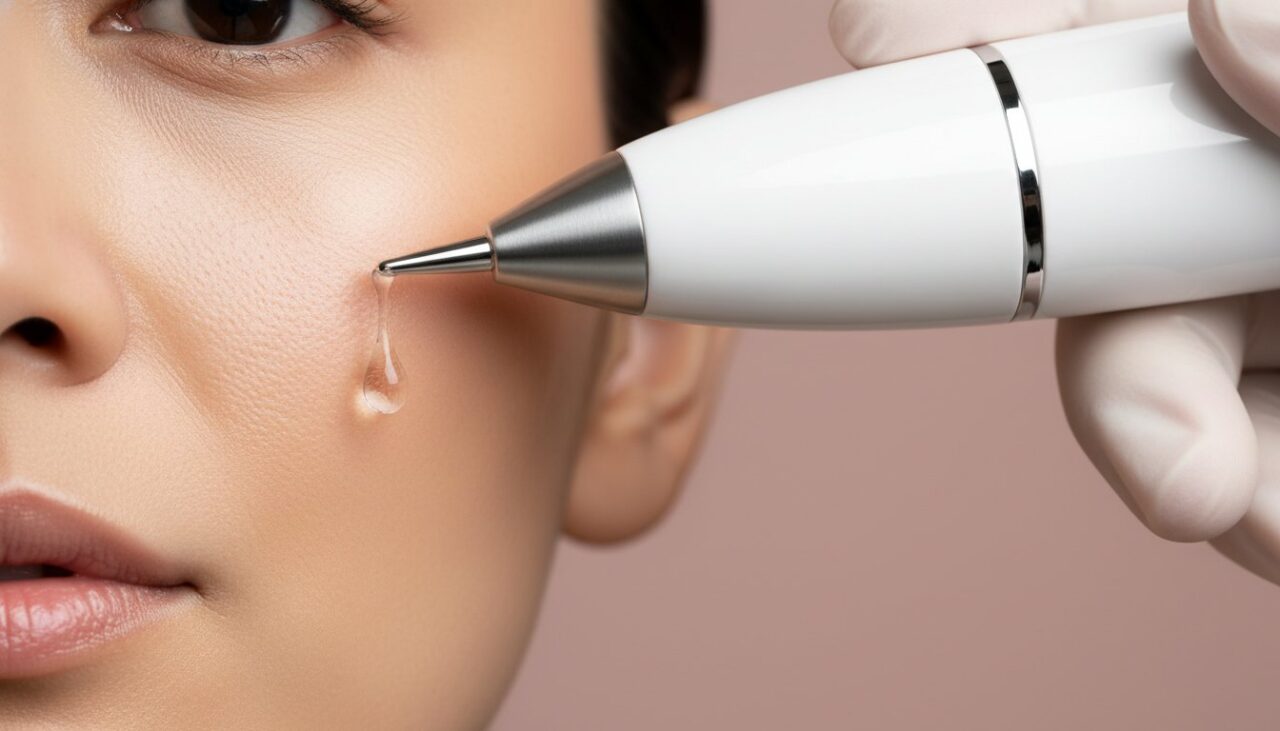
Modern microneedling is no longer just about mechanical injury. It’s about infusion efficiency. By creating thousands of precise microchannels per second, the device acts as a sophisticated delivery system for sterile cocktails. The goal is optimal fibroblast activation through high-density channel creation without compromising needle stability. When upgrading your clinic’s microneedling device, look for a system that facilitates the seamless absorption of peptides and hyaluronic acid, transforming a standard treatment into a luxury mesotherapy experience. You can explore our range of professional systems to see how this technology integrates into a modern clinic.
Ergonomics and Cordless Versatility
The physical design of your equipment directly impacts practitioner longevity. A well-balanced device reduces hand fatigue during back-to-back sessions, ensuring your last treatment of the day is as precise as the first. While cordless versatility is the modern standard, the device must maintain consistent power delivery without the “drop-off” seen in cheaper batteries. Finally, the visual aesthetic of your device reinforces your clinic’s branding. A sleek, European-engineered pen communicates a message of “Science Meets Luxury” to your clients, justifying premium pricing and positioning your practice as a leader in the Australian aesthetic market.
Navigating the Australian Regulatory Landscape: Compliance, Safety, and ARTG Standards
The “Harvey Norman Trap” is a term increasingly used to describe clinics that purchase retail-grade devices for professional use. While these pens are readily available to the public, using them in a clinical setting is a significant liability. When upgrading your clinic’s microneedling device, you must distinguish between a consumer tool and a precision instrument. By 1 July 2026, the Therapeutic Goods Administration (TGA) requires all higher-risk medical devices to carry a Unique Device Identification (UDI). Using equipment that lacks proper ARTG inclusion or fails to meet these 2026 standards exposes your practice to severe legal risks.
Insurance coverage is another critical factor. Professional indemnity insurers in Australia typically verify a device’s ARTG status before honouring a claim. If an adverse event occurs with a non-compliant device, your policy may be voided; leaving you personally liable for damages. Safety is non-negotiable. Professional-grade cartridges must feature medical-grade steel and integrated safety membranes to prevent fluid backflow. This ensures that your handpiece remains sterile and your clients remain protected from cross-contamination.
AHPRA Compliance for Non-Medical Practitioners
AHPRA guidelines for 2026 continue to emphasise the distinction between medical and aesthetic needling. For dermal therapists and beauty professionals, maintaining a penetration depth of 1mm or less is considered the gold standard for safety and compliance. Devices that offer restricted depth settings or fixed-depth options are inherently safer for these practitioners. Accurate documentation of treatment depths and the use of sterile protocols are essential for demonstrating clinical compliance during any potential audit.
Professional vs. Retail: A Comparison Framework
Choosing the right equipment is a strategic business decision that impacts your clinical reputation. Professional systems offer a level of precision and reliability that retail alternatives cannot replicate. To ensure the highest level of efficacy, professional devices should be paired with the mesotherapy supplies Australia practitioners rely on for consistent outcomes.
| Feature | Retail-Grade Device | Professional System |
|---|---|---|
| Motor Performance | Inconsistent; prone to stalling under pressure. | High-torque; stable oscillation at all speeds. |
| Needle Quality | Mass-produced; higher risk of microscopic burrs. | Surgically sharp; medical-grade stainless steel. |
| Regulatory Status | Often unlisted or registered for home use only. | Full ARTG inclusion for clinical environments. |
| Support Infrastructure | Generic retail return policies only. | Local Australian technical and clinical support. |
When you are upgrading your clinic’s microneedling device, you are investing in more than just hardware. Local Australian distribution provides a safety net of technical training and immediate troubleshooting. This support structure is vital for maintaining a turnkey business model that delivers high-end results and a superior clinical ROI.
Maximising Clinic ROI: The Business Case for Advanced Infusion Technology
Upgrading your clinic’s microneedling device is a strategic financial pivot that transforms a standard service into a high-margin clinical asset. While legacy devices often carry high consumable costs that eat into profit margins, modern systems are designed for efficiency and superior clinical ROI. In 2026, the Australian aesthetic market is projected to reach $419.18 million; a growth driven by consumers who prioritise results over recovery time. By shifting your practice toward no-downtime protocols, you eliminate the primary barrier to rebooking; ensuring a consistent revenue stream through higher client retention.
The business case for advanced technology extends beyond the handpiece itself. It’s about the transition from “basic needling” to “luxury infusion”. Clients are increasingly educated about skin health and are willing to pay a premium for treatments that offer visible transformation without the inflammatory response. When you are upgrading your clinic’s microneedling device, you are essentially buying into a more efficient business model that moves your practice away from price-sensitive competition. This allows you to position your clinic as a provider of bespoke, European-standard aesthetics.
The Power of the Treatment Cocktail
Rebranding your services as mesotherapy infusion rather than simple microneedling changes the perceived value of the treatment. Integrating high-performance sterile cocktails like Boto Xtreme or Vegan Exosomes allows you to address specific concerns like fibroblast activation or pigmentation with precision. This approach reduces total treatment time while increasing efficacy. Because the device facilitates better absorption of these active ingredients, clients see “Science Meets Luxury” results faster; justifying a higher price point per session and improving your overall profit margins.
Staff Training and Clinical Excellence
A turnkey business model relies on a confident, well-trained team. Investing in facial courses is essential for mastering next-generation technology and European clinical protocols. When your practitioners understand the science behind the infusion, their ability to upsell and retain clients increases. Providing access to a gold-standard device also acts as a powerful recruitment tool. Top-tier dermal clinicians are naturally drawn to clinics that invest in the latest technology; reducing your long-term staff turnover and onboarding costs.
Ready to transform your practice profitability? You can view our turnkey business models to see how we support Australian practitioners in achieving higher ROI.
The MESOpowerpen: A Turnkey Solution for the Modern Australian Aesthetic Clinic
The MESOpowerpen stands as the definitive answer for practitioners prioritising safety, precision, and prestige. It is the result of a unique Danish-Italian collaboration, combining rigorous Northern European safety standards with the sophisticated aesthetic heritage of Italy. When upgrading your clinic’s microneedling device, this heritage provides the clinical authority your clients expect. It isn’t merely a needling tool; it’s a non-traumatic skin infusion system designed to perform at the highest level while remaining fully compliant with the evolving Australian regulatory landscape.
The device’s versatility is a core driver of clinic profitability. It allows you to expand your service menu far beyond traditional facial rejuvenation. With the correct protocols, you can treat scalp conditions for hair loss, address stubborn pigmentation, and even offer needle-free lip volume enhancements. This multi-modality approach ensures that your investment works harder for your business, providing a truly turnkey model that is ready for immediate salon integration. Science meets luxury.
Synergistic Serum Integration
The true power of the MESOpowerpen is unlocked when paired with a range of sterile cocktails. For periorbital rejuvenation, the synergistic integration with Eyelift serum offers a non-surgical alternative to traditional blepharoplasty by tightening the delicate eye area. Pigmentation correction protocols use targeted clinical formulations to inhibit melanin production at a cellular level. Looking ahead, the future of skin repair lies in the combination of the pen with Vegan Exosomes; a protocol that accelerates fibroblast activation and tissue regeneration with zero downtime.
Your Path to Clinical Excellence
Partnering with Mesoskinline Australia gives you access to a complete ecosystem of success. It’s a relationship built on ongoing clinical support, providing you with the marketing assets and technical training needed to excel in a competitive market. We invite you to experience the “Science Meets Luxury” difference firsthand. You can book a private demonstration or consult with our visionary experts to see how upgrading your clinic’s microneedling device will elevate your practice to the gold standard of Australian aesthetics. Trusted by professionals, we are dedicated to your clinic’s long-term transformation.
Future-Proofing Your Practice with Precision Infusion
The Australian aesthetic landscape is moving rapidly toward a future where precision and compliance are the only paths to sustainable success. With the July 1, 2026, deadline for Unique Device Identification (UDI) and the mandatory reclassification of high-risk devices, the window for clinical action is closing. You now understand how technical benchmarks like 0.1mm depth increments and high-torque motor stability are essential for delivering the luxury results your clients demand without the trauma of legacy tools.
Prioritising these standards while upgrading your clinic’s microneedling device ensures your practice remains both legally protected and commercially competitive in a market set to reach $419.18 million by 2031. By embracing the “No Downtime · Higher ROI” model, you provide your team with a turnkey system grounded in European excellence. Trusted by leading Australian dermal clinicians, our technology is fully compliant with 2026 AHPRA and ARTG standards; offering exclusive European engineering for visible transformation.
Upgrade your clinic with the MESOpowerpen today and lead the way in precision mesotherapy. We look forward to supporting your journey toward clinical excellence.
Frequently Asked Questions
Is it worth upgrading my microneedling device if it still works?
Yes, upgrading is essential to meet the mandatory July 1, 2026, UDI requirements and the market shift toward non-traumatic infusion. Even if your current unit functions, it likely lacks the motor stability required for 2026’s “no downtime” standards. Upgrading your clinic’s microneedling device allows for the precise delivery of sterile cocktails that ensure a superior clinical ROI through faster healing and predictable patient outcomes.
What is the AHPRA depth limit for microneedling in 2026?
AHPRA recommends a maximum penetration depth of 1mm for non-medical professionals operating without direct medical supervision. This guideline ensures safety while allowing for effective fibroblast activation and skin rejuvenation. Maintaining this depth with a precision-engineered device helps your clinic stay compliant with the TGA’s 2026-2027 priority focus area on cosmetic procedures and the safeguarding of therapeutic goods.
What makes a professional infusion pen different from entry-level devices?
A professional system like the MESOpowerpen is a specialised skin infusion platform rather than a generic needling tool. Unlike standard entry-level pens, it offers 0.1mm depth increments and a high-torque motor designed for absolute stability. This Danish-Italian engineering eliminates needle drag and vibration; allowing practitioners to offer luxury mesotherapy results that mass-market devices simply cannot replicate.
Can I use any serum with my microneedling device?
No, you must only use sterile, clinical-grade cocktails specifically formulated for transdermal delivery. Using non-sterile or inappropriate serums can lead to granulomas or serious adverse events, which became mandatory for healthcare facilities to report to the TGA as of March 21, 2026. Professional infusion requires biocompatible peptides and hyaluronic acid to ensure safety and visible transformation.
What is the typical ROI for a clinic upgrading to a professional infusion pen?
Clinics typically see a significant increase in ROI due to higher client retention and lower consumable overheads. With the Australian aesthetic market projected to reach $419.18 million by 2031, practitioners who offer “no downtime” protocols see more frequent rebookings. Upgrading your clinic’s microneedling device reduces treatment time while allowing for premium pricing of advanced mesotherapy services.
Do clients prefer RF microneedling or traditional microneedling in 2026?
Both technologies serve different segments, but traditional microneedling remains the gold standard for frequent skin health maintenance and mesotherapy infusion. While the global RF microneedling market is valued at USD 0.47 billion in 2026, many clients prefer the lower cost and minimal downtime of non-RF infusion. Traditional infusion is particularly effective for the 40.3% of the market seeking treatment for acne and acne scarring.
Is training included when I purchase a professional microneedling device?
Yes, a professional turnkey model includes comprehensive clinical training as part of the partnership with Mesoskinline Australia. This training covers European-standard protocols and the specific application of various sterile cocktails for bespoke treatments. Building practitioner confidence is vital for recruitment and ensures that your clinic delivers the “Science Meets Luxury” results that high-end consumers expect.
How do I ensure my clinic stays compliant with ARTG regulations?
You must verify that your equipment is listed on the Australian Register of Therapeutic Goods (ARTG) and carries a valid ARTG ID. Additionally, ensure your sponsor submits the required UDI-DI data to the AusUDID before the July 1, 2026, deadline for higher-risk devices. Staying compliant requires using devices specifically designed for professional use rather than retail-grade tools intended for the home-use market.
What Others Are Reading:

Stay in the Glow
Get skincare tips and early access to new products.
