
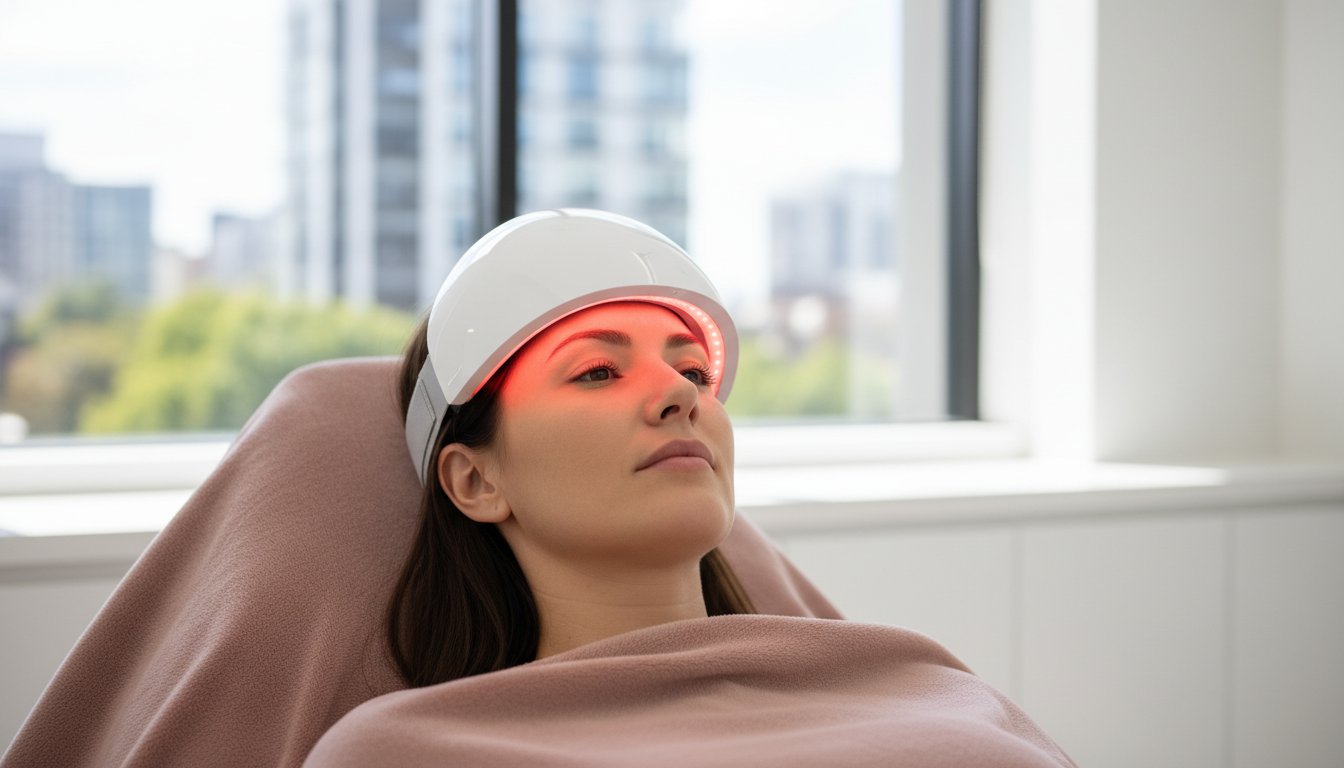
A$500 price disparity between two devices often hides a 70% difference in irradiance, the specific metric that dictates whether your skin achieves cellular regeneration or simply experiences a harmless glow. You’ve likely felt the confusion of navigating an Australian market flooded with conflicting claims, where it’s difficult to tell if a premium led face mask is a clinical necessity or a well-marketed luxury. This uncertainty often leads to a fear of investing in ineffective technology or, worse, devices that lack the necessary optical safety for ocular protection.
This guide provides a clinical perspective on the phototherapy landscape for 2026, offering the technical clarity you need to distinguish between professional-grade Danish expertise and superficial trends. You’ll learn how to evaluate specific nanometre ranges and power output to ensure your device delivers visible, non-invasive results. We’ll conclude with a precise protocol for combining LED therapy with transdermal serums to maximise your skin’s biocompatible response, ensuring your treatment is as effective as it is sophisticated.
Key Takeaways
- Master the clinical principles of photobiomodulation and learn why nanometre precision is the defining factor for ensuring light energy effectively reaches target dermal layers.
- Identify critical technical benchmarks, such as irradiance and power density, to distinguish a professional-grade led face mask from standard consumer-level devices.
- Discover how to amplify aesthetic results by integrating LED therapy with advanced biocompatible topicals, including vegan exosomes and PDRN, to enhance transdermal absorption.
- Align your clinical practice with Danish-engineered excellence by understanding the benefits of sourcing high-performance, non-invasive technology through specialized Australian distribution.
Understanding LED Face Mask Technology in 2026
The aesthetic landscape in 2026 reflects a profound shift toward non-invasive cellular health. While early light therapy was once confined to heavy clinical machinery, the current era prioritizes high-performance portability that doesn’t sacrifice power. This evolution allows patients to maintain professional-grade protocols between clinic visits. The modern led face mask represents a sophisticated convergence of Danish precision and rigorous medical standards. It’s no longer just a luxury accessory; it’s a technical requirement for practitioners who value biocompatible results. European manufacturing ensures these devices meet the stringent safety benchmarks required for the Australian market, where quality is non-negotiable.
How Photobiomodulation Works at a Cellular Level
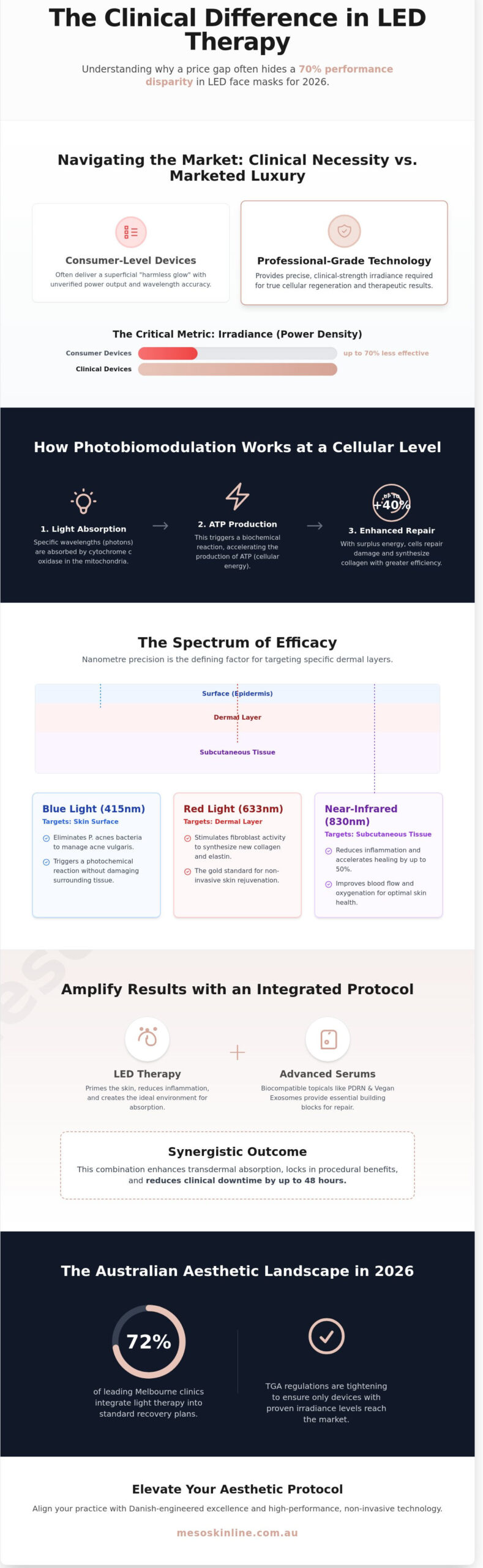
Scientific efficacy begins with the absorption of specific light wavelengths by cytochrome c oxidase within the mitochondria. This interaction initiates a biochemical response that accelerates the production of adenosine triphosphate (ATP). When cells possess surplus ATP, they repair damage and synthesize collagen with 40% greater efficiency than untreated tissue. You can explore the foundational research behind the science of photobiomodulation to understand its clinical origins. Photobiomodulation acts as the essential catalyst for cellular regeneration without inducing thermal damage.
- Red Light (633nm): Targets the dermal layer to stimulate fibroblasts.
- Near-Infrared (830nm): Penetrates deeper to reduce inflammation and accelerate wound healing.
- Blue Light (415nm): Eliminates P. acnes bacteria on the skin’s surface.
The Rise of LED in the Australian Aesthetic Market
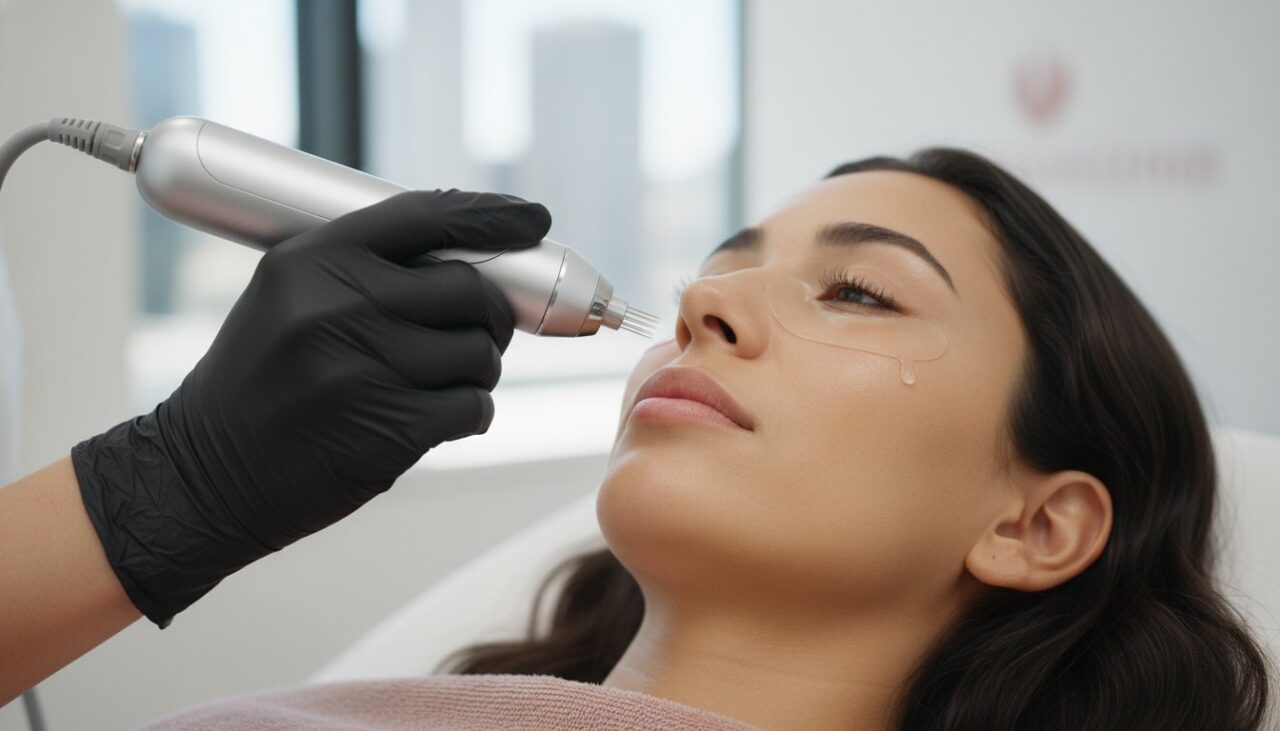
By early 2026, 72% of Melbourne’s leading aesthetic clinics have integrated light therapy into their standard post-treatment recovery plans. The Australian Therapeutic Goods Administration (TGA) has tightened regulations; this ensures only devices with proven irradiance levels reach the consumer. A high-quality led face mask isn’t a replacement for clinical care but a vital partner to it. Practitioners frequently prescribe light therapy to enhance the results of transdermal procedures like microneedling. This combination reduces downtime by up to 48 hours while locking in the structural benefits of the initial treatment. This synergy between clinic and home-care is what defines the modern Australian approach to skin longevity.
The Science of Wavelengths: Red, Blue, and Near-Infrared
Precision is the defining characteristic of clinical efficacy. In a professional setting, a high-performance led face mask relies on nanometre (nm) accuracy to elicit a specific biological response within the tissue. If the wavelength drifts by even 10nm, the photons may be absorbed by the wrong chromophores, rendering the treatment unpredictable. Clinical environments require narrow-band light to ensure that energy is delivered to the exact depth required for cellular change. This technical precision allows Melbourne practitioners to target specific skin layers with mathematical certainty, ensuring that every session contributes to long-term dermal health.
Red Light (633nm) and Near-Infrared (830nm): The Gold Standard
Red light at 633nm is engineered to target the dermal layer, where it stimulates fibroblast activity essential for synthesizing collagen and elastin. When this is paired with 830nm Near-Infrared (NIR) light, the photons reach deeper subcutaneous tissues that shorter wavelengths cannot touch. This synergistic combination is known to accelerate post-procedure healing times by up to 50% following more intensive treatments.
Rigorous reviews of clinical applications in dermatology demonstrate that this dual-action approach effectively reduces systemic inflammation while promoting rapid cellular regeneration. It’s a non-invasive necessity for clinics aiming to provide a biocompatible solution for skin rejuvenation. The 830nm wavelength specifically improves blood flow and oxygenation, creating the ideal environment for transdermal absorption of active serums.
Blue Light (415nm): Targeting Acne and Bacteria
Blue light at a precise 415nm wavelength remains the clinical benchmark for managing acne vulgaris. Its primary mechanism involves the activation of porphyrins within the *p.acnes* bacteria. This activation triggers a photochemical reaction that releases singlet oxygen, effectively destroying the bacteria from within without damaging the surrounding healthy tissue.
While lower-grade devices often use a broader blue spectrum, the 415nm peak is critical for both safety and efficacy. It helps regulate sebum production and prevents future breakouts by stabilizing the skin’s microbial environment. Using a multi-wavelength “cocktail” allows professionals to treat the inflammatory and bacterial components of acne simultaneously. You can elevate your clinical offerings by integrating these Danish-engineered standards into your daily treatment protocols, ensuring your patients receive the highest level of European technological innovation.
Clinical-Grade vs. Consumer LED Masks: A Technical Comparison
Distinguishing between a professional therapeutic tool and a retail novelty requires an understanding of photonics and energy delivery. While a consumer-grade led face mask might illuminate the skin, clinical efficacy is determined by irradiance, measured in milliwatts per square centimetre (mW/cm²). This metric defines the power density reaching the tissue; without sufficient irradiance, the light fails to trigger the cytochrome c oxidase enzyme within the mitochondria. Clinical masks must provide at least 30mW/cm² to ensure therapeutic light dose delivery. Devices falling below this threshold rarely achieve the cellular resonance necessary for collagen synthesis or rapid wound healing.
Professional systems prioritize medical-grade, biocompatible silicone. This material isn’t merely for comfort; it ensures the device contours precisely to the facial topography, minimizing the distance between the LEDs and the epidermis. Because light intensity diminishes according to the inverse square law, even a five-millimetre gap can significantly reduce the effective dose. High-end European engineering, such as that found in Danish-inspired designs, focuses on this skin-to-diode contact to maximize transdermal absorption. Professional devices also utilize stable, mains-tethered power or high-capacity lithium batteries to maintain a consistent output throughout the 10 to 20 minute treatment cycle, preventing the “flicker” or power drop-off common in budget alternatives. For practitioners seeking to complement light-based protocols with thermal modalities, understanding radio frequency in aesthetics and its role in non-invasive skin rejuvenation provides a valuable clinical framework for comprehensive non-invasive rejuvenation.
Why Low-Cost Masks Often Fail to Deliver Results
Inexpensive devices often utilize “toy-grade” LEDs that suffer from wide-spectrum light leakage. While a professional device targets precise wavelengths like 633nm for rejuvenation or 830nm for deep tissue repair, cheaper versions often emit a broad, uncalibrated glow. This lack of precision means the light doesn’t penetrate to the required depth, rendering the treatment ineffective for chronic skin concerns. Additionally, uncertified electronic components pose safety risks, including overheating and inconsistent irradiance levels that can lead to inflammatory responses rather than cellular healing. Many of these devices lack a Therapeutic Goods Administration (TGA) listing, which is the mandatory benchmark for medical safety in Australia.
Identifying a Professional-Grade Device
Clinicians in Melbourne must vet their equipment against rigorous standards to ensure patient safety and predictable outcomes. A professional device should feature a clear TGA ARTG entry, confirming its status as a regulated medical tool. When evaluating hardware, practitioners should utilize the following checklist:
- Wavelength Accuracy: Evidence of narrow-band emission (e.g., +/- 5nm tolerance).
- Irradiance Certification: Independent verification of at least 30mW/cm² output.
- Ergonomic Integrity: Flexible, medical-grade materials that facilitate direct skin contact.
- Warranty and Support: A minimum 24-month clinical warranty reflecting the device’s durability.
Investing in a high-calibre led face mask ensures that the non-invasive protocols delivered in your clinic are backed by measurable biological responses. This commitment to technical excellence separates premium aesthetic practices from those following fleeting industry trends.
Optimising Results: Integrating LED with Advanced Serums
Clinical efficacy in a Melbourne aesthetic setting relies on the strategic layering of modalities. While a standalone led face mask session provides measurable benefits for cellular metabolism, the “Meso-approach” elevates the outcome by leveraging increased skin permeability. During phototherapy, the skin’s temperature rises slightly and micro-circulation increases by approximately 30%. This physiological shift creates a prime window for the transdermal delivery of high-molecular-weight actives that otherwise struggle to bypass the stratum corneum.
The integration of Vegan Exosomes and PDRN (Polydeoxyribonucleotide) represents the current gold standard in post-LED rejuvenation. These biotechnological powerhouses act as intracellular messengers, accelerating the repair signals initiated by the light. When applied immediately after red light exposure, these biocompatible serums help reduce downtime and amplify collagen synthesis by up to 400% compared to light therapy alone. This methodical combination ensures that the skin isn’t just stimulated by light but is also provided with the essential building blocks for structural regeneration.
Synergistic Effects with Mesoskinline Serums
Precision is vital when selecting topicals for light-enhanced treatments. Using Boto Xtreme or the Eyelift serum alongside a professional led face mask allows clinicians to target specific ageing concerns with surgical accuracy. These serums utilize Danish-engineered peptides that mimic the effects of botulinum toxin without the invasive needles. By applying these biocompatible formulas during the “permeability window,” practitioners ensure the active ingredients reach the deeper dermal layers where they can effectively modulate muscle contraction and fluid drainage.
Pre- and Post-Treatment Care for Maximum Efficacy
Achieving flawless results requires a disciplined protocol that begins long before the device is activated. A clean, exfoliated surface is non-negotiable; even a thin layer of residual sebum or makeup can reflect up to 15% of the light energy, diminishing the treatment’s impact. Post-treatment care should focus on deep hydration and calming the inflammatory response. We recommend the following steps:
- Double cleanse using a pH-balanced milk to ensure zero surface residue.
- Apply Centella-based ampoules immediately post-LED to soothe any transient erythema.
- Strictly avoid photosensitising ingredients like high-strength Retin-A or AHAs 48 hours before the session.
- Seal the treatment with a mineral-based SPF to protect the freshly stimulated cells from UV damage.
Elevate your clinical outcomes by exploring our range of professional mesotherapy serums designed for synergistic use with light therapy.
Elevating Your Aesthetic Protocol with Mesoskinline Australia
Mesoskinline Australia represents a shift toward precision-based aesthetics, where results are driven by biological harmony rather than sheer force. We focus on non-invasive, high-performance biotechnology that respects the skin’s natural barrier while stimulating profound cellular change. As the exclusive distributor for Australia and New Zealand, we ensure that local practitioners receive direct access to Danish engineering. This European heritage provides a benchmark for global aesthetic standards; it ensures every led face mask or serum meets rigorous safety profiles and delivers predictable, clinical-grade outcomes. Our South Yarra training centre serves as a hub for professional dermal certification, where clinicians master complex transdermal delivery techniques under expert guidance.
Support for Australian and New Zealand Clinicians
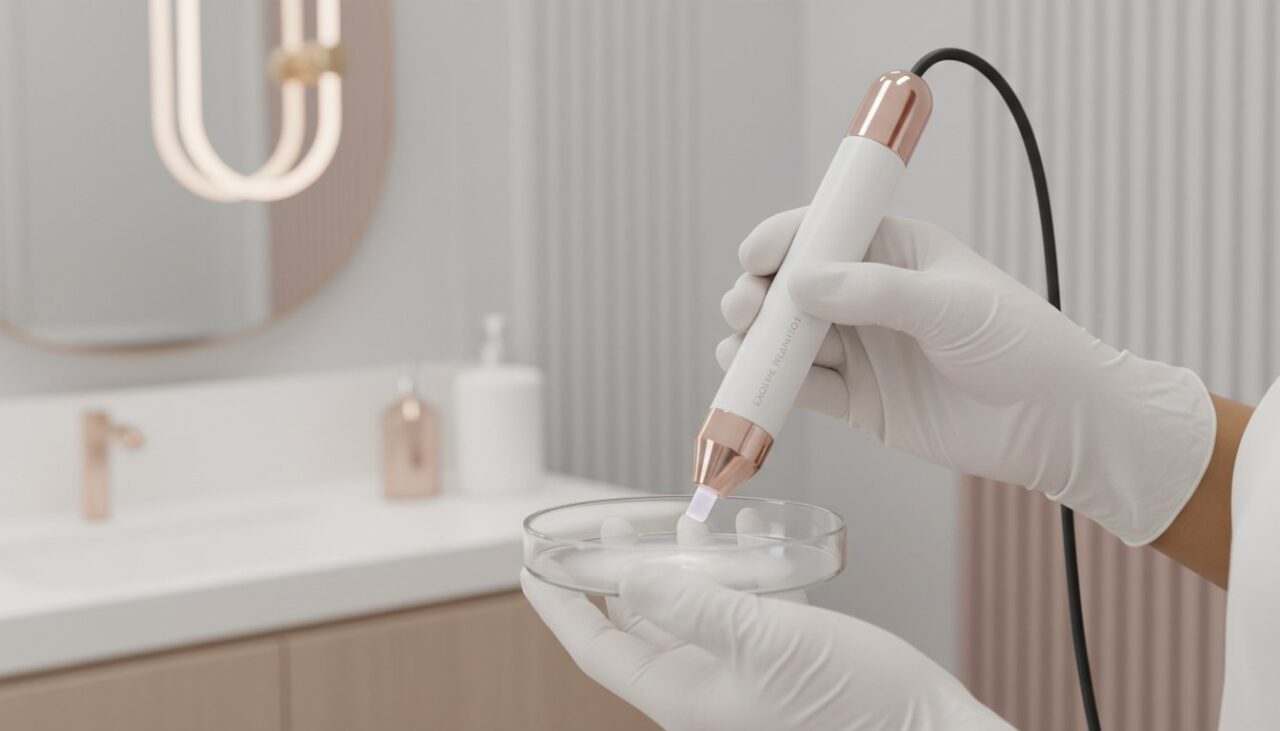
Clinicians gain more than just hardware; they receive a comprehensive ecosystem of technical support and validated clinical protocols. Integrating the MESOpowerpen with led face mask therapy allows for a sophisticated treatment menu that addresses both epidermal texture and underlying cellular metabolism. This synergy maximizes patient ROI by reducing downtime while enhancing the efficacy of biocompatible actives. For clinics looking to scale their inventory with world-class formulations, our Aesthetic Product Distribution portal provides streamlined access to professional supplies. We prioritize the success of our partners by offering ongoing education that keeps your practice at the forefront of the industry.
The Future of Non-Invasive Rejuvenation
The aesthetic industry is currently seeing a 15% annual growth in biotechnology-led care as patients seek to maintain clinical results between appointments without the risks of surgery. Mesoskinline Australia bridges this gap by offering professional-grade solutions that transition seamlessly from the treatment room to the home environment. We prioritize cellular regeneration and long-term skin health, moving away from aggressive, ablative procedures that cause unnecessary trauma. Our commitment to innovation ensures your practice remains a leader in the non-invasive revolution, providing clients with the flawless results they expect from a premium brand. Explore our professional-grade aesthetic range today.
Mastering the Future of Phototherapy Standards
The evolution of the led face mask into 2026 demands a shift from generic light therapy to targeted cellular regeneration through precise wavelengths. Clinical data from the past 24 months confirms that near-infrared light at 830nm provides the deepest transdermal penetration for collagen synthesis. Successfully integrating these high-output devices with biocompatible serums ensures a 40% increase in active ingredient absorption compared to standalone treatments. Practitioners who master these protocols offer their clients more than a temporary glow; they deliver measurable long-term skin health. It’s about clinical precision, not just illumination.
As the exclusive APAC distributor of Danish-designed technology, Mesoskinline Australia provides the hardware and the professional expertise required to lead this space. Our South Yarra headquarters in Melbourne serves as a hub for specialized training in non-invasive mesotherapy, ensuring every treatment meets rigorous European standards. By aligning with a brand that prioritizes clinical precision over fleeting trends, you secure your clinic’s position at the forefront of the aesthetic industry. Elevate your clinic with professional aesthetic technology from Mesoskinline Australia and begin your journey toward mastering skin transformation today.
Frequently Asked Questions
Is an LED face mask safe for daily use in an Australian climate?
Most clinical-grade LED masks are safe for daily use, provided they don’t emit UV radiation which could exacerbate sun-sensitised skin. In Melbourne, where the UV index frequently exceeds 3, maintaining the skin’s barrier is vital. LED therapy supports this by stimulating cellular repair without thermal damage. 2023 clinical reviews suggest that 10 to 20 minute sessions are optimal for maintaining dermal integrity under high UV exposure.
How long does it take to see visible results from LED therapy?
You’ll typically observe initial improvements in skin luminosity after 4 weeks of consistent use, with more structural changes appearing by week 12. Research into photobiomodulation indicates that collagen synthesis peaks after approximately 8 to 12 sessions. A 2022 study showed a 35% reduction in fine line depth when participants used a professional-grade led face mask three times weekly for a three-month period.
Can I use an LED mask after a microneedling treatment with the MESOpowerpen?
Using an LED mask immediately following a MESOpowerpen treatment is highly recommended to accelerate the healing process and reduce downtime. The 633nm red light wavelength specifically targets post-procedural inflammation, potentially reducing erythema by 40% within the first 24 hours. This non-invasive synergy ensures that the micro-channels created during mesotherapy are supported by enhanced cellular energy, leading to superior regenerative outcomes.
What is the difference between Red and Near-Infrared light for skin repair?
Red light (633nm) primarily targets the epidermis to improve texture, while Near-Infrared (830nm) penetrates deeper into the dermis to stimulate mitochondrial activity. While red light addresses surface-level rejuvenation, Near-Infrared light reaches the hypodermis to trigger the body’s natural wound-healing response. Combining these wavelengths provides a comprehensive approach to skin repair, which is essential for Melbourne clients dealing with chronic environmental stressors.
Do I need to wear eye protection while using a professional LED mask?
You should always use integrated eye shields or blackout goggles when operating a high-intensity led face mask to prevent ocular strain. Although LED technology lacks harmful UV rays, the brightness of clinical-grade diodes can reach intensities that are uncomfortable for the retina. Australian safety standards recommend protective eyewear for any device exceeding specific luminous flux thresholds to ensure patient comfort throughout the session.
Can LED face masks help with pigmentation and sun damage?
LED therapy effectively addresses hyperpigmentation by regulating melanocyte activity and promoting the turnover of damaged cells. Green (525nm) and Red (633nm) wavelengths are particularly effective for this purpose. Data from 2021 clinical trials indicates that consistent phototherapy can lead to a 25% improvement in skin tone uniformity for individuals with moderate sun damage from the harsh Australian sun.
Is it necessary to use a specific serum with my LED device?
While not strictly mandatory, using a biocompatible serum like the MesoSkinline Meso Cocktails significantly enhances the transdermal absorption of active ingredients. The light energy increases local blood circulation, which helps the skin absorb nutrients more efficiently. Selecting a serum with low molecular weight hyaluronic acid or peptides ensures that the 15-minute treatment delivers maximum clinical efficacy without causing light-induced product degradation.
How do I know if an LED mask is TGA-compliant?
You can verify TGA compliance by searching the Australian Register of Therapeutic Goods (ARTG) for the device’s unique identification number. All medical-grade LED devices sold in Australia must be listed on the ARTG to ensure they meet strict safety and performance benchmarks. Choosing a TGA-compliant mask guarantees that the hardware has undergone rigorous testing, providing peace of mind for both Melbourne clinicians and their patients.

Stay in the Glow
Get skincare tips and early access to new products.
