
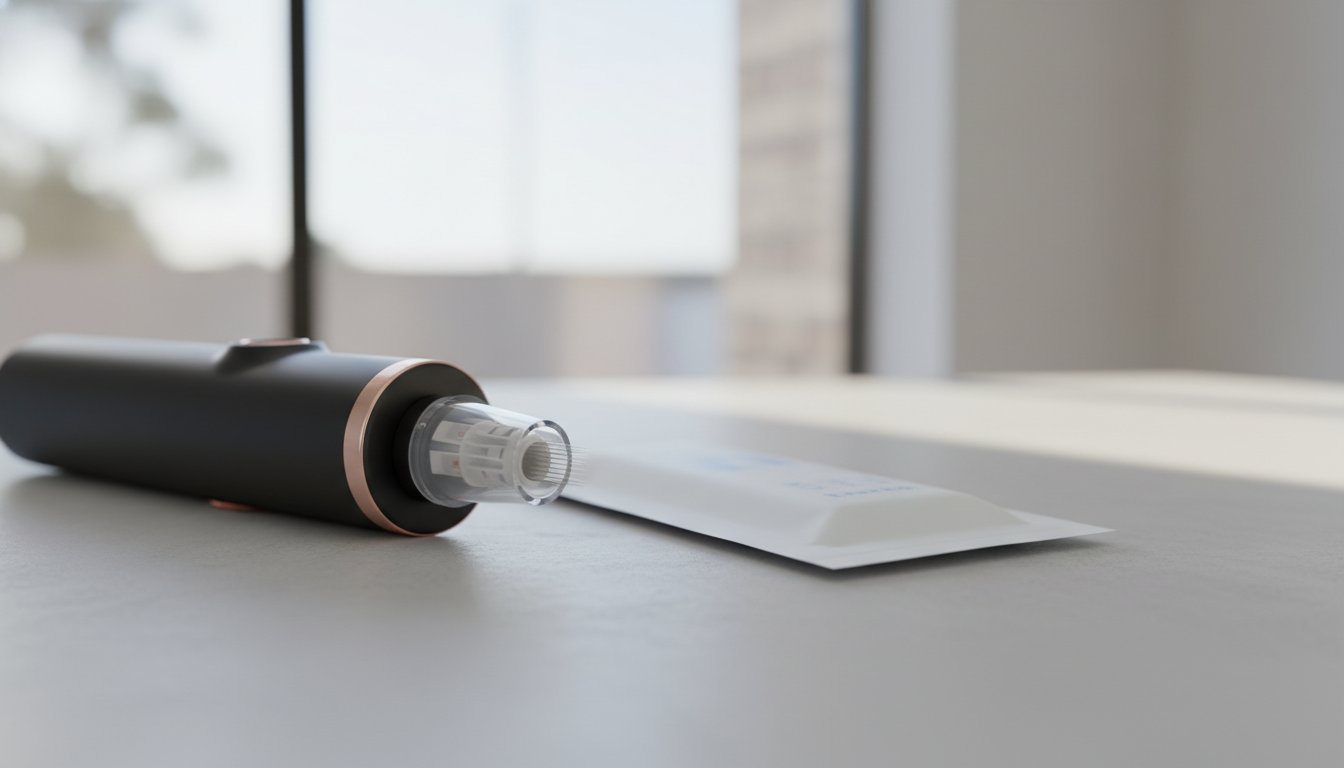
Sterile Needle Cartridges for Microneedling Pen: The Clinical Guide to Safety and Precision
In the high-stakes world of medical aesthetics, the difference between a transformative result and a clinical complication often rests on a fraction of a millimetre. Choosing the correct sterile needle cartridges for microneedling pen is not merely a procurement choice; it’s a fundamental commitment to patient safety and dermal integrity. You likely understand that while the device provides the power, the cartridge dictates the precision. Many practitioners rightfully worry about the risks of skin tearing or the catastrophic potential of cross-contamination when using hardware that lacks the necessary engineering rigor.
This clinical guide will show you how to identify medical-grade sterile needle cartridges for microneedling pen that meet the rigorous 2026 TGA standards, ensuring your clinic remains at the forefront of both safety and efficacy. We’ll explore the technical specifications of anti-backflow membranes, the logic behind specific pin configurations for different skin concerns, and how to optimise the delivery of advanced solutions like vegan exosomes or pigmentation treatments. By the end, you’ll have a clear framework for selecting the precision-engineered modules, such as those used with the Mesopowerpen, that protect your professional reputation and your patients’ skin.
Key Takeaways
- Understand why Gamma radiation is the clinical benchmark for ensuring your sterile needle cartridges for microneedling pen provide absolute safety during Collagen Induction Therapy.
- Master the selection criteria for varying pin counts; this allows you to choose the precise configuration for either deep tissue remodelling or surface texture refinement.
- Recognise the critical importance of integrated anti-backflow membranes in preventing cross-contamination and maintaining the longevity of your clinical equipment.
- Establish rigorous protocols for creating a sterile field and calibrating needle depth to guarantee consistent, high-tier outcomes for every patient.
- Explore the synergy between Danish engineering and advanced mesotherapy, specifically how specialised cartridges optimise the absorption of potent serums like Boto Xtreme.
The Science of Sterile Needle Cartridges in Modern Microneedling
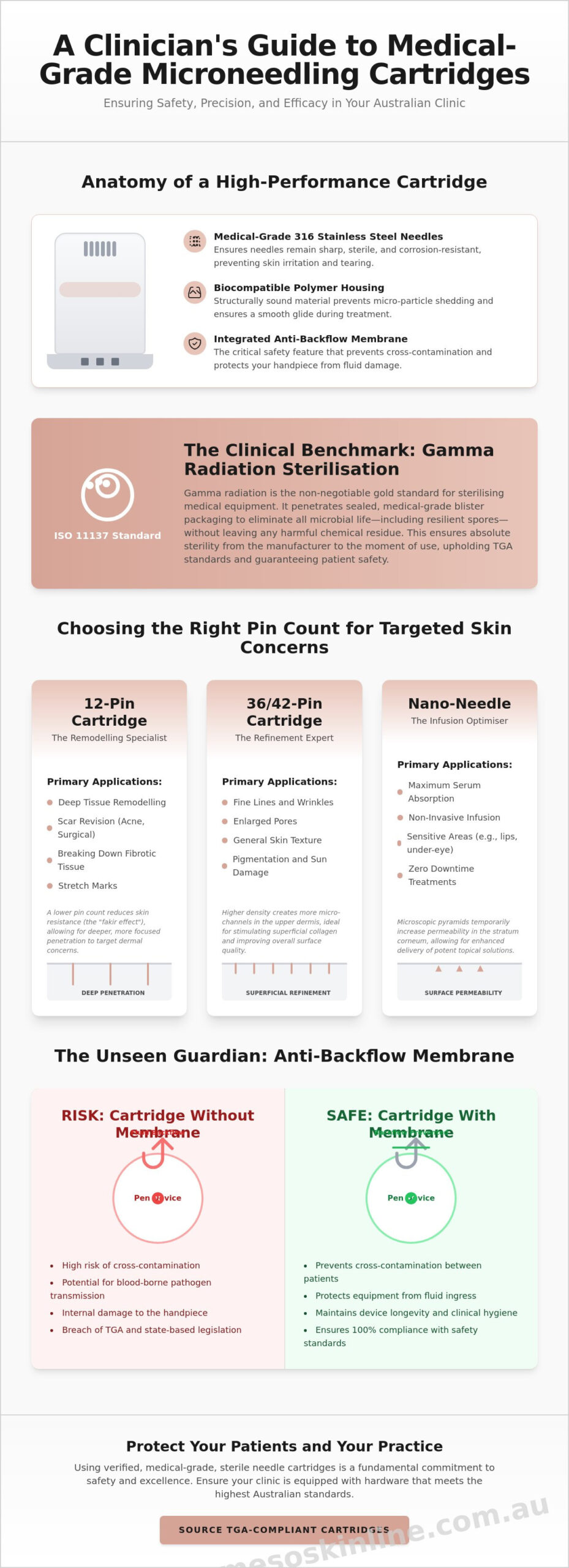
High-quality sterile needle cartridges for microneedling pen are defined as single-use, medical-grade components engineered specifically for Collagen induction therapy (CIT). These aren’t merely plastic consumables; they’re sophisticated delivery systems designed to penetrate the stratum corneum with surgical precision. The choice of materials is paramount to the procedure’s success. Using medical-grade 316 stainless steel ensures that the needles remain resistant to oxidation and corrosion during the treatment, which prevents metal-related skin irritation and adverse inflammatory responses. This high-grade alloy maintains its structural integrity even under the mechanical stress of rapid oscillation, ensuring every puncture is as clean as the first.
Absolute sterility is achieved through Gamma radiation. This process penetrates the primary packaging to eliminate all microbial life, including spores, without leaving any harmful chemical residues. It’s the gold standard for professional aesthetic equipment. To preserve this state, each cartridge must be housed in individual, medical-grade blister packaging with a secure seal. This ensures the sterile field remains intact until the very moment of patient contact, protecting the integrity of the clinical environment and the safety of the dermal layer.
Why Sterility is Non-Negotiable for Australian Clinics
Practitioners must be wary of “knock-off” cartridges that flood the market. These unverified products often lack anti-backflow membranes and consistent needle geometry, posing a severe risk of cross-contamination. In Australia, compliance with federal TGA regulations and state-based skin penetration legislation is a legal necessity. Using non-sterile or non-compliant devices can lead to the transmission of blood-borne pathogens, potentially resulting in catastrophic outcomes for both the patient and the clinic’s reputation. Professional-grade sterile needle cartridges for microneedling pen are the only way to guarantee 100% adherence to these safety standards.
The Anatomy of a High-Performance Cartridge
The performance of a cartridge depends on its needle gauge and taper. Sharper, precisely tapered needles create cleaner micro-channels, which significantly reduces patient downtime and unwanted tissue tearing. The housing material must be equally high-end. It needs to be biocompatible and structurally sound to withstand high-speed oscillation without shedding micro-particles into the skin. A medical-grade cartridge is a tool that must meet ISO 11137 standards for sterilisation. High-performance housings often feature medical-grade polymers that reduce friction, allowing for a smoother glide across the treatment area during the procedure.
Choosing the Right Pin Count for Targeted Skin Concerns
Selecting the appropriate needle density is a critical clinical decision that dictates the physiological response of the skin. The “fakir effect” describes a phenomenon where a higher needle count actually increases skin resistance, as the mechanical pressure is distributed across a broader surface area. In contrast, sterile needle cartridges for microneedling pen with a lower pin count, such as the 12-pin variety, allow for deeper, more focused penetration with less mechanical resistance. This makes the 12-pin module the clinical gold standard for scar revision and deep tissue remodelling, where breaking down dense, fibrotic tissue is the primary objective.
For practitioners targeting fine lines, large pores, and general skin texture, 36-pin to 42-pin cartridges provide the ideal balance. These configurations create a high density of micro-channels in the upper dermis, which is perfect for stimulating superficial collagen production and refining the skin’s surface. When the goal is non-invasive infusion rather than structural remodelling, nano-needling cartridges offer a sophisticated alternative. These utilise microscopic pyramids to temporarily increase permeability in the stratum corneum, allowing for maximum serum absorption without the downtime associated with traditional needling.
Aesthetic Applications: From Pigmentation to Anti-Ageing
Clinical success requires matching the cartridge to the specific serum being utilised. When applying pigmentation solutions to address sun damage, a 36-pin cartridge often provides the uniform coverage needed to ensure even distribution of active ingredients across the treatment area. For regenerative treatments involving vegan exosomes, the choice depends on the target depth; however, a mid-range pin count generally ensures the exosomes reach the cellular environment where they are most effective. Adhering to established FDA guidance on microneedling safety ensures that these treatments remain within professional boundaries while delivering visible transformation.
Specialised Treatments: Scalp and Lip Protocols
Anatomical variations require a customised approach to cartridge selection. Scalp treatments for hair loss control typically require 12-pin or 36-pin modules set to a depth that reaches the hair follicles without causing excessive trauma to the scalp’s vascular network. In contrast, the delicate vermilion border of the lips is best treated with nano-cartridges. This allows for the infusion of a lip volume serum to achieve a hydrated, plump appearance without the discomfort or bruising of traditional fillers. Using a high-end system like the Mesopowerpen allows for the minute depth adjustments required to transition safely between these diverse anatomical sites.
Safety First: The Critical Role of Anti-Backflow Membranes
The most vital safety feature in any professional microneedling setup is the anti-backflow membrane. Without this barrier, the physics of fluid capillary action poses a direct threat to the hygiene of the procedure. As the needles oscillate at high frequencies, a vacuum-like effect can pull blood, serum, and interstitial fluid up into the internal housing of the cartridge. If the cartridge lacks a robust seal, these biological contaminants can travel further, entering the non-sterile motor of the device itself. Choosing high-quality sterile needle cartridges for microneedling pen prevents this “backflow,” acting as a hermetic seal between the sterile treatment zone and the non-sterile mechanical components of the pen.
Discerning the difference between a medical-grade silicone membrane and a cheap plastic imitation is vital for clinical success. Authentic membranes are typically constructed from resilient, medical-grade silicone. This material offers the elasticity required for rapid, high-speed needle movement while maintaining a liquid-tight barrier throughout the session. Inferior plastic alternatives often lack this resilience; they can crack or lose their seal during a treatment, leading to device failure and the serious risk of cross-infection between patients. This compromise in quality is a primary cause of motor burnout and inconsistent needle depth.
Protecting Your Investment and Your Patients
Maintaining a sterile environment isn’t just about patient outcomes; it’s also about protecting your capital equipment. When fluids bypass a faulty cartridge, they corrode the internal drive mechanism, which eventually leads to device failure. In the Australian aesthetic market, the legal and ethical implications of using non-membrane cartridges are significant. Practitioners are responsible for ensuring every component of their service adheres to strict infection control standards. By investing in premium sterile needle cartridges for microneedling pen, you ensure that the microneedling benefits and results are delivered without the shadow of contamination or equipment damage.
Gamma Radiation vs. EO Gas Sterilisation
While some manufacturers still use Ethylene Oxide (EO) gas, Gamma radiation is the superior choice for the complex geometries found in modern cartridges. Gamma rays provide deep-penetrating sterilisation that reaches every internal crevice of the needle module, ensuring absolute microbial elimination. Professional practitioners should always verify the sterilisation date and batch number on the individual blister packaging. It’s a non-negotiable rule: expired cartridges must never be used. Even if the packaging appears intact, the integrity of the materials and the absolute sterility of the needles cannot be guaranteed past the manufacturer’s validated date.
Professional Protocols for Cartridge Handling and Disposal
Clinical excellence begins long before the patient enters the treatment room. Establishing a sterile field is a non-negotiable prerequisite for any professional procedure. You must thoroughly sanitise all surfaces with clinical-grade antiseptic wipes before donning sterile, powder-free gloves. Only once the workspace is prepared should you open the individual blister packaging of your sterile needle cartridges for microneedling pen. This meticulous approach ensures that the needles remain uncontaminated until the moment they touch the patient’s skin, upholding the highest standards of Australian clinical hygiene.
Attaching the cartridge requires precision. Align the module with the locking mechanism, whether it’s a bayonet or screw-lock system, and ensure it’s securely seated. You’ll typically feel a definitive click or resistance when the connection is locked. Calibration is the next vital step. Adjust the needle depth while the device is active to verify that the needles extend to the exact millimetre required for the target anatomical zone. This visual confirmation prevents depth inaccuracies that could lead to inconsistent results or unnecessary epidermal trauma.
Infection Control and Hygiene Excellence
Hygiene isn’t just a checkbox; it’s a rigorous culture that protects both your reputation and your patients. During the procedure, always use fresh antiseptic wipes to keep the device housing clean. You must avoid ‘double-dipping’ needles into serum bottles at all costs. This practice is a major source of cross-contamination. Instead, dispense the required volume of serum into a sterile gallipot or use a single-use syringe to apply the product directly to the skin. Organising your workspace so that all consumables are within easy reach allows for a seamless, hygienic workflow that minimizes the risk of accidental needle sticks or surface contamination.
Troubleshooting Common Cartridge Issues
Practitioners must remain vigilant for signs of mechanical failure. If you notice ‘needle dragging’ or a ‘scratching’ sensation, stop the treatment immediately. This often indicates a bent needle tip or a cartridge that hasn’t locked correctly into the microneedling pen. Check the motor speed; it must be high enough to match the needle count. A higher pin count requires a faster oscillation speed to ensure a smooth glide and prevent the skin from snagging. If the issue persists, discard the cartridge and replace it with a fresh, sterile module to maintain the integrity of the treatment.
Once the session is complete, the cartridge is classified as clinical waste. In accordance with Australian health and safety standards, you must immediately dispose of the used module into a puncture-resistant sharps container. Never attempt to recap or clean a used needle cartridge. Once the sharps container reaches the fill line, it must be disposed of through a licensed medical waste service. For clinics dedicated to the highest tier of professional care, you can source medical-grade devices and consumables that are engineered for both safety and clinical performance.
The Mesopowerpen Advantage: Danish Engineering for Australian Clinics
Precision is the hallmark of the Mesopowerpen. While general devices often struggle with the mechanical delivery of dense formulations, these cartridges are engineered to facilitate the effortless flow of high-viscosity serums like Boto Xtreme. This precision ensures that active ingredients reach the target depth without clogging the module or straining the motor. Professional practitioners partner with Mesoskinline Australia because the system delivers predictable, repeatable clinical results that justify a premium service price. The seamless synergy between these precision needles and professional mesotherapy supplies Australia clinicians rely on creates a superior treatment environment.
Innovation in needle geometry is a core differentiator. By utilising advanced configurations that respect the biological limits of the skin, these sterile needle cartridges for microneedling pen significantly reduce the inflammatory response post-treatment. This means your patients experience less downtime while benefiting from maximum induction of collagen and elastin. It’s a sophisticated balance of efficacy and recovery that sets a high-tier clinic apart from its competitors, ensuring every session contributes to a visible dermal transformation.
Maximising ROI with Premium Consumables
Superior hardware is a sound commercial investment. Using high-tier sterile needle cartridges for microneedling pen increases the efficacy of every session, often reducing the total number of treatments required to achieve a visible result. This efficiency improves patient satisfaction and strengthens long-term retention. When clients witness a visible commitment to safety and high-end technology, their trust in your expertise deepens. Investing in quality through Mesoskinline Australia is a strategic move to eliminate the hidden costs of complications or equipment failure that can erode your business profitability.
Elevating Your Treatment Menu
Diversification allows your clinic to remain competitive in a crowded market. You can integrate these sterile cartridges with advanced protocols to deliver targeted results, such as applying specialised modules for eyelift serum to rejuvenate the periorbital area. Whether you’re expanding into scalp treatments for hair loss or combining micro-needling with needle-free modalities, the versatility of the Mesopowerpen system supports a bespoke approach to every patient concern. Explore our range of professional sterile needle cartridges and elevate your clinic’s performance today.
Elevate Your Clinical Standard with Precision Engineering
The transition from standard treatments to high-tier aesthetic results depends on the synergy between clinical expertise and the hardware utilised. Selecting medical-grade sterile needle cartridges for microneedling pen is a fundamental requirement for maintaining both patient safety and device longevity. By integrating features like anti-backflow membranes and 316 stainless steel, you provide a treatment that is as safe as it is transformative. This commitment to precision engineering not only protects your professional reputation but also ensures that every micro-channel created serves the ultimate goal of dermal rejuvenation.
As the exclusive APAC distributor of Danish-engineered Mesoskinline Australia products, we provide the tools that leading clinics trust for their most demanding protocols. Our range is fully compliant with international medical-grade sterilisation standards, offering you a complete system for success in the local market. Secure your clinical supplies and shop our professional range of sterile needle cartridges today.
We look forward to supporting your clinic as you redefine the boundaries of aesthetic excellence and precision skincare.
Frequently Asked Questions
Are microneedling cartridges truly single-use only?
Microneedling cartridges are strictly single-use medical devices and must be discarded after every session. Reusing these modules, even on the same patient, leads to needle degradation and the formation of microscopic burrs that cause unnecessary epidermal trauma. From a clinical hygiene perspective, reuse is a significant breach of Australian infection control standards and poses a severe risk of cross-contamination.
Can I use generic needle cartridges with my professional microneedling pen?
No, professional devices like the Mesopowerpen require proprietary sterile needle cartridges for microneedling pen to ensure mechanical stability. Generic or third-party modules often lack the precise fit required for the locking mechanism, which can lead to erratic needle oscillation or permanent damage to the device’s internal motor. Utilising non-authorised consumables typically invalidates your professional warranty and compromises treatment precision.
How do I know if a cartridge has an anti-backflow membrane?
You can identify an anti-backflow membrane by inspecting the base of the needle module for a resilient silicone barrier. This seal acts as a hermetic block between the needles and the device connector, preventing blood and serum from entering the non-sterile motor housing. High-quality modules provided by Mesoskinline Australia are engineered with these medical-grade seals to ensure absolute clinical safety.
What is the difference between 12-pin and 36-pin cartridges for anti-ageing?
The 12-pin cartridge is the clinical choice for deep tissue remodelling and scar revision because its lower needle density allows for deeper penetration with less skin resistance. In contrast, 36-pin cartridges are ideal for superficial anti-ageing treatments, such as pore refinement and fine line reduction. These higher pin counts create a greater density of micro-channels in the upper dermis for maximum serum absorption.
Is it safe to use needle cartridges on active acne?
Microneedling should never be performed directly on active pustular or inflammatory acne lesions. The mechanical action of the needles can rupture the lesions and disseminate bacteria across the treatment area, potentially leading to secondary infections or post-inflammatory hyperpigmentation. It’s essential to wait for the inflammatory stage to resolve before beginning a needling protocol for acne scarring.
How should I dispose of used microneedling cartridges in Australia?
In accordance with Australian health and safety regulations, all used cartridges must be discarded into a yellow, puncture-resistant sharps container immediately after the procedure. Never attempt to recap or clean a used module. Once the sharps container reaches its designated fill line, it must be collected and processed by a licensed medical waste service for safe incineration.
Do needle cartridges expire?
Yes, all medical-grade needle cartridges have a definitive expiry date printed on their individual blister packaging. Over time, the integrity of the sterile seal can become compromised, and the internal components may lose their mechanical reliability. Using expired stock is a clinical risk that jeopardises the sterile field and the safety of the dermal treatment.
What should I look for on the packaging to ensure a cartridge is sterile?
Ensure the packaging is a medical-grade blister pack with an airtight seal and no signs of moisture or perforation. Professional packaging should clearly display a batch number, a validated expiry date, and the symbol for Gamma radiation sterilisation. These markers provide the necessary verification that the module meets the rigorous safety standards required for professional aesthetic use.
What Others Are Reading:


Stay in the Glow
Get skincare tips and early access to new products.
