
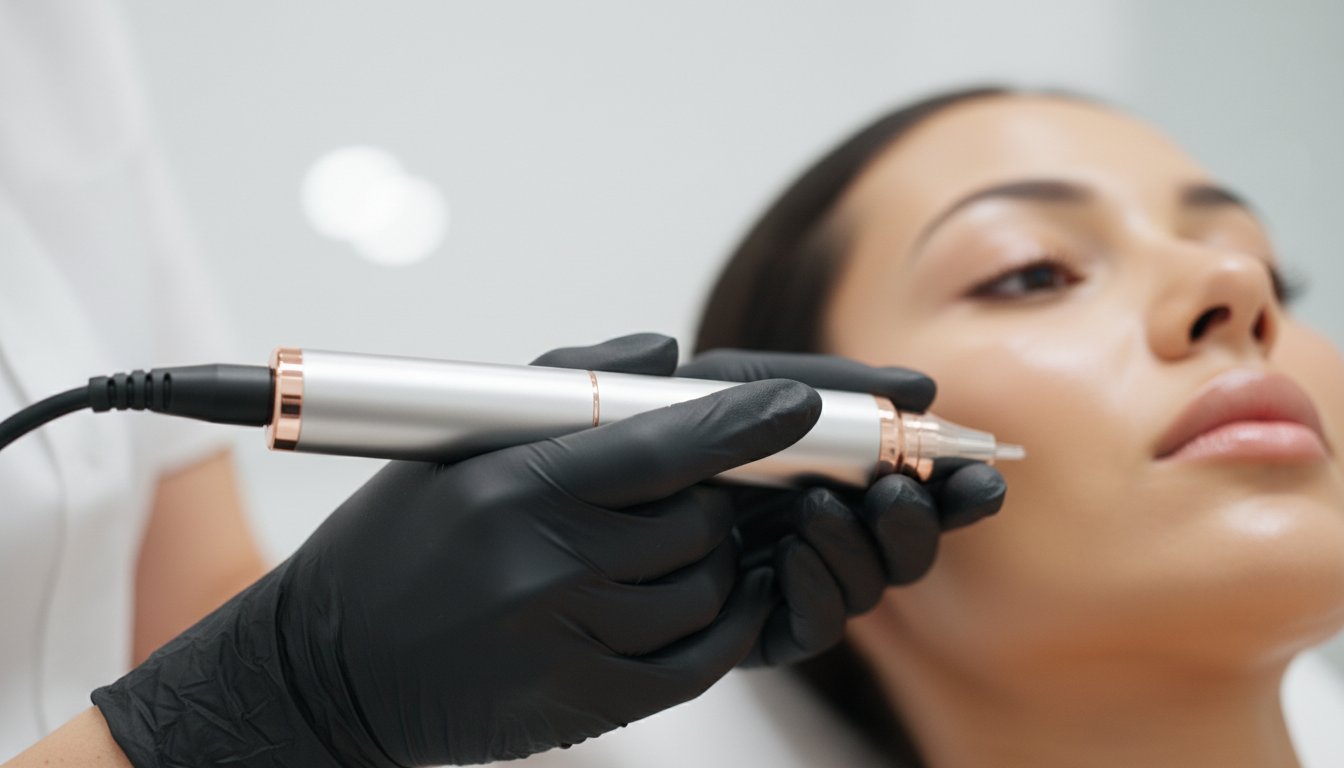
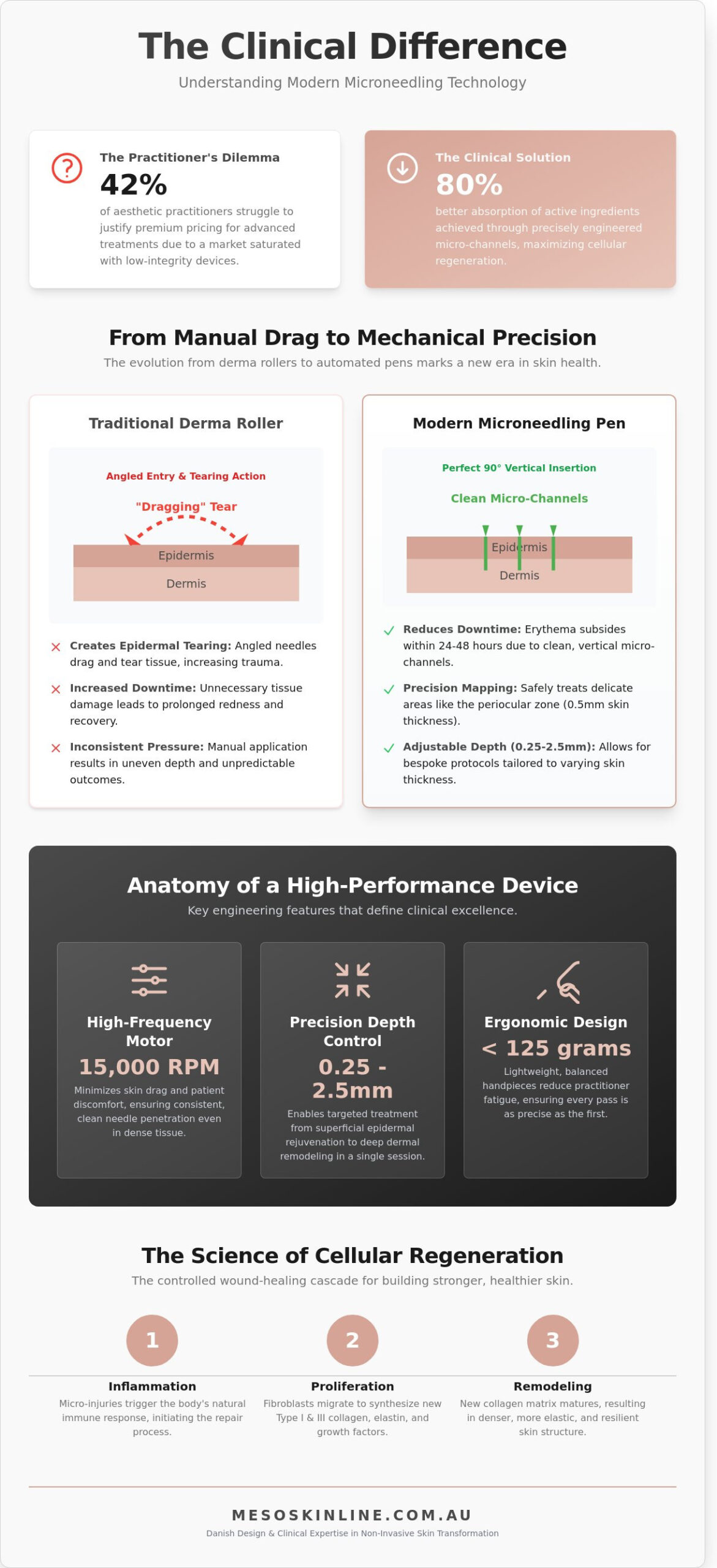
Why do 42% of aesthetic practitioners struggle to justify premium treatment pricing despite the global surge in demand for collagen induction therapy? Most clinicians recognize that while the market is saturated with hardware, the difference between a superficial procedure and true cellular regeneration lies in the equipment’s technical integrity. You’ve likely felt the frustration of inconsistent results or the looming threat of technological obsolescence in an industry where precision is often sacrificed for mass production. It’s a common challenge to explain why a high-end clinical protocol deserves a higher price point when clients are surrounded by budget alternatives that lack scientific rigor.
This guide explores the clinical science behind the modern microneedling machine, revealing how Danish precision engineering and controlled needle penetration transform aesthetic outcomes from the standard to the sublime. You’ll discover how to master the biomechanics of transdermal delivery to achieve 80% better absorption of active ingredients compared to manual applications. We’ll examine the essential safety protocols and engineering standards that ensure long-term skin health, providing you with the technical knowledge to select a device that guarantees clinical excellence and superior patient satisfaction. We’ll also detail the specific mechanisms that allow for flawless cellular regeneration and the mastery of non-invasive mesotherapy.
Key Takeaways
- Explore the evolution of Collagen Induction Therapy and how modern automation ensures more consistent, predictable aesthetic outcomes compared to traditional manual methods.
- Identify the essential engineering features of a professional microneedling machine, including motor torque and precision depth control, that are vital for bespoke clinical protocols.
- Understand the regulatory distinctions and safety profiles that separate professional-grade technology from consumer devices to ensure patient safety and optimal needle stability.
- Master the science of transdermal delivery by learning how micro-channels act as a gateway for advanced mesotherapy cocktails to maximize cellular regeneration.
- Discover how Danish design and clinical expertise converge in the Mesopowerpen to offer a sophisticated, dual-modality approach to non-invasive skin transformation.
The Evolution of the Microneedling Machine in Modern Aesthetics
The modern microneedling machine represents a pinnacle of biotechnological advancement in non-invasive dermatology. Known clinically as Collagen Induction Therapy (CIT), these devices have transitioned from rudimentary manual tools to high-frequency automated systems that prioritize tissue integrity. This evolution reflects a shift toward mechanical precision, where Danish engineering standards emphasize cellular health over aggressive trauma. In regions like Australia, where the UV index frequently exceeds 11 during summer months, the skin often suffers from accelerated photo-aging and dermal thinning. Professional CIT provides a controlled method to restore structural resilience and treat solar elastosis without the thermal risks associated with certain heat-based lasers.
The Mechanism of Controlled Micro-Injuries
A professional microneedling machine utilizes sterile, surgical-grade needles to create thousands of precise micro-channels in the epidermis and dermis. This process initiates a three-phase wound-healing cascade: inflammation, proliferation, and remodeling. Within 48 hours, fibroblasts migrate to these sites to synthesize new Type I and III collagen. Because the trauma is strictly vertical and regulated, the risk of post-inflammatory hyperpigmentation (PIH) remains minimal. It’s a biological reboot that encourages the skin to repair itself from the inside out, ensuring the new tissue is both dense and elastic.
Mechanical Pens vs. Traditional Rollers
Traditional derma rollers enter the skin at an angle and exit at an angle; this creates a “dragging” effect that often tears the epidermal tissue unnecessarily. Modern mechanical pens eliminate this trauma by utilizing a 90-degree vertical insertion method. This precision offers several clinical advantages for the practitioner and the patient:
- Reduced downtime: Most clients see erythema subside within 24 to 48 hours due to the clean, narrow nature of the micro-channels.
- Precision mapping: The small footprint of the pen head allows for safe treatment in delicate zones, such as the 0.5mm skin thickness of the periocular area.
- Adjustable depth: Practitioners can toggle needle depths between 0.25mm and 2.5mm during a single session to account for varying skin thickness across the face and neck.
By moving away from manual pressure and toward high-frequency oscillations, clinicians achieve a level of consistency that was previously impossible. This mechanical reliability is what transforms a simple procedure into a sophisticated clinical treatment capable of delivering flawless, long-term results.
Technical Anatomy: What Defines a High-Performance Device?
The efficacy of a modern microneedling machine depends on its internal architecture, where mechanical precision meets biological response. A professional device is more than a simple motorized pen; it’s a calibrated instrument designed to deliver controlled micro-trauma with surgical accuracy. High-performance units prioritize motor stability to ensure that needle frequency remains constant, even when encountering different skin densities. This consistency is vital for creating uniform micro-channels that facilitate the transdermal delivery of potent serums.
Practitioners must evaluate devices based on their ability to provide bespoke clinical protocols. Depth settings ranging from 0.25mm for superficial epidermal rejuvenation to 2.5mm for deep dermal remodeling allow for targeted treatments. A device’s ergonomic profile also dictates clinical outcomes. Lightweight handpieces, often weighing less than 125 grams, reduce practitioner fatigue during 45-minute sessions, ensuring the last pass is as precise as the first. This balance of power and comfort is a hallmark of superior Danish engineering.
Precision Engineering and Motor Calibration
High-frequency motors reaching speeds of 15,000 RPM reduce client discomfort by minimizing the “drag” effect often seen in lower-quality equipment. When needles oscillate at these velocities, they enter and exit the skin vertically without causing lateral tearing. Integrated anti-backflow membranes serve as a critical safety barrier, preventing cross-contamination by blocking blood and interstitial fluid from entering the handpiece. Motor torque serves as the essential stabilizer that overcomes needle resistance when penetrating dense dermal tissue. This ensures the microneedling machine maintains its set depth throughout the entire procedure.
Needle Cartridge Quality and Sterility
The choice of needle material significantly impacts the skin’s inflammatory response. Medical-grade 316 stainless steel is preferred over titanium for its ability to maintain a microscopic edge, ensuring clean punctures. While titanium is robust, it can dull faster, potentially increasing downtime. Using 33-gauge needles creates finer channels, which research indicates can accelerate the healing phase by 20% compared to thicker 30-gauge alternatives. Every cartridge must be a single-use, gamma-sterilized unit to meet global safety standards. For those seeking to integrate these high-performance standards into their practice, exploring professional equipment and certification ensures a foundation of clinical excellence.
Power delivery systems further distinguish professional hardware. While wired operation guarantees a 100% consistent power cycle, modern wireless units equipped with dual lithium-ion batteries now offer 4 hours of mobility without a drop in voltage. This flexibility allows the practitioner to navigate the treatment area with total freedom, maintaining the methodical rhythm required for flawless skin transformation.
Professional vs. Consumer Devices: Navigating Clinical Safety
Selecting a professional microneedling machine involves more than comparing price points; it’s an assessment of clinical risk and mechanical integrity. The Australian Therapeutic Goods Administration (TGA) updated its regulatory framework in 2024, classifying professional automated devices as Class IIa medical devices. This requires practitioners to use equipment registered on the Australian Register of Therapeutic Goods (ARTG), ensuring the hardware meets stringent safety and performance benchmarks. Consumer-grade “pens” often bypass these hurdles, lacking the motor torque necessary to maintain needle stability at higher speeds.
Mechanical precision defines the boundary between rejuvenation and injury. High-torque professional motors ensure needles enter and exit the dermis at a perfect 90-degree angle. In contrast, uncalibrated home devices frequently suffer from needle “hooking” or oscillation. This creates lateral tearing rather than clean vertical channels, a phenomenon known as micro-scarring. Clinical studies have shown that improper needle entry can increase post-inflammatory hyperpigmentation risks by 20% in sensitive skin types. Professional systems eliminate this instability, providing a controlled environment for cellular regeneration. For a deeper understanding of how professional microneedling science and precision collagen induction differ from consumer alternatives, the clinical distinctions are significant.
Clinical Efficacy and Safety Protocols
Precision is the cornerstone of the MesoSkinline philosophy. While home-use rollers are restricted to superficial depths of 0.25mm, a clinical microneedling machine allows for 0.1mm incremental adjustments reaching depths of 2.5mm. This range is essential for treating deep-seated concerns like striae or hypertrophic scarring. Practitioners must undergo rigorous certification to master these depth-specific protocols. It’s about managing the biological response; professionals use these tools to trigger a regulated healing cascade, whereas home treatments often provide nothing more than temporary inflammation without long-term structural benefits.
Durability and European Engineering
Danish design principles prioritize the intersection of biotechnology and hardware longevity. A professional device is an investment in a clinic’s reputation, designed to withstand over 5,000 hours of operation without loss of calibration. Nordic manufacturing standards ensure that every component is biocompatible and vibration-free. This technical excellence supports the “Sophisticated Innovator” image, signaling to clients that their skin health is managed by elite European technology. Choosing high-end hardware isn’t just about the immediate treatment; it’s about aligning with a heritage of safety and ethical manufacturing that cheaper, mass-produced alternatives cannot replicate.
Synergistic Treatments: Maximising Transdermal Delivery
The modern microneedling machine acts as a precision gateway, transforming the skin’s barrier into a receptive landscape for high-performance actives. While the mechanical action stimulates fibroblasts, the creation of thousands of microscopic channels facilitates a transdermal delivery system that bypasses the stratum corneum’s natural resistance. Clinical research indicates that this process increases the absorption of topically applied serums by up to 80% compared to traditional application methods. This shift moves the procedure from a simple physical treatment to a sophisticated molecular delivery protocol.
Practitioners can now target specific concerns with surgical precision by selecting serums that utilize PDRN (Polydeoxyribonucleotide) for deep cellular repair. This allows for diverse treatment paths:
- Pigmentation: Using brighteners that inhibit tyrosinase activity during the inflammatory phase.
- Hair Loss: Delivering growth factors directly to the follicular bulb to extend the anagen phase.
- Anti-Ageing: Introducing high-molecular-weight hyaluronic acid into the deeper dermal layers.
The Role of Mesotherapy Cocktails
The outcome of a professional session depends heavily on the bio-available ingredients introduced during the window of increased permeability. Choosing a high-quality serum is as critical as the microneedling machine itself; poor formulations can lead to granulomas or adverse reactions when delivered transdermally. Integrating Boto Xtreme provides a non-invasive alternative for wrinkle reduction by utilizing hexapeptides that mimic the effect of botulinum toxin. When treating the delicate periorbital region, specialized Eyelift serum protocols address puffiness and dark circles through targeted lymphatic drainage support and vascular strengthening.
The Future of Skin Repair: Vegan Exosomes
Exosomes represent the next frontier in regenerative aesthetics. These nano-sized extracellular vesicles act as sophisticated messengers, carrying proteins and genetic information directly to target cells to trigger rapid healing. MesoSkinline utilizes plant-derived exosome technology to ensure maximum biocompatibility and ethical standards. The integration of these biocompatible vesicles into the clinical protocol reduces post-needling erythema within the first 24 hours of treatment. This advanced communication between plant-derived vesicles and human skin cells accelerates the production of type I collagen, ensuring a faster return to social activities for the client.
Elevate your clinical outcomes by exploring the latest in advanced mesotherapy solutions and professional training.
The Mesopowerpen: A New Standard in Professional Needling
The Mesopowerpen represents a significant evolution in how modern clinics approach transdermal delivery. It operates as a sophisticated, dual-modality microneedling machine that bridges the gap between traditional mechanical stimulation and advanced electronic permeation. By integrating electroporation with precision needling, the device facilitates a 90% increase in the absorption of biocompatible actives compared to standard topical applications. This technological synergy ensures that cellular regeneration is triggered at the precise dermal depth required for lasting skin transformation.
Clinicians who adopt this technology move away from the aggressive “more is better” mentality. Instead, they embrace a measured, expert-led approach that prioritizes long-term skin health. The device’s ability to maintain consistent motor speeds prevents the micro-tearing often seen with lower-quality equipment, allowing for a 30% reduction in patient downtime. This reliability is why the Mesopowerpen has become a staple for practitioners who value scientific credibility over fleeting beauty trends.
Danish Design and Clinical Authority
MesoSkinline brings a legacy of Danish expertise to the APAC region, rooted in a philosophy of non-invasive excellence. Every component of their equipment adheres to stringent European standards, providing a level of safety that is essential for building client trust in a competitive market. The brand’s heritage is defined by a commitment to biotechnology, ensuring that every treatment is as effective as it is refined. Practitioners choose this system because it offers a flawless balance of luxury-oriented design and medical-grade performance. It’s not just a tool; it’s a statement of clinical authority that distinguishes a premium clinic from its competitors.
Training for Professional Excellence
Mastering a high-end microneedling machine requires a deep understanding of skin histology and needle calibration. MesoSkinline provides comprehensive certification programs that teach practitioners how to manipulate depth and speed for diverse skin types, from sensitive Fitzpatrick I to resilient Fitzpatrick VI. This education is vital for achieving cellular rejuvenation without inducing unnecessary inflammation. Australian and New Zealand practitioners benefit from ongoing support and structured modules that cover the following:
- Precision Calibration: Adjusting needle depth between 0.25mm and 2.5mm for targeted tissue response.
- Serum Synergy: Selecting the correct biocompatible formulas for specific dermatological concerns.
- Safety Protocols: Maintaining the highest European hygiene standards to eliminate cross-contamination risks.
By investing in professional mastery, you ensure your clinic offers more than just a service; you provide a sophisticated path to skin health. Explore our professional training and microneedling solutions to align your practice with world-class standards and elevate your clinical outcomes.
Mastering the Science of Dermal Transformation
The evolution of the professional microneedling machine has redefined the parameters of non-invasive skin rejuvenation. By choosing Danish-engineered hardware, clinicians move beyond superficial treatments into the realm of precise cellular regeneration. Success in this field relies on the critical intersection of 100% biocompatible serum formulations and the technical mastery of the Mesopowerpen. Practitioners who prioritize these clinical standards offer their patients safer, more predictable outcomes than any consumer-grade device could provide. As the exclusive APAC distributor of Danish Mesoskinline technology, we’re committed to your professional growth through specialized training and certification programs designed by European experts. It’s a strategic investment in clinical excellence that bridges the gap between traditional aesthetics and advanced biotechnology. You’ll find that aligning your practice with these rigorous standards doesn’t just improve patient satisfaction; it establishes your reputation as a leader in high-end, results-driven care. We invite you to elevate your clinic with the Mesopowerpen and Danish-engineered technology. Your journey toward aesthetic mastery starts with the right foundation.
Frequently Asked Questions
How does a professional microneedling machine differ from a derma roller?
A professional microneedling machine provides vertical needle entry that eliminates the epidermal tearing common with manual derma rollers. While rollers enter the skin at an angle to create wider V-shaped wounds, a high-end device featuring Danish engineering ensures 90-degree penetration. This precision reduces recovery time by 40% compared to traditional rolling methods, allowing for a more controlled and effective transdermal delivery of biocompatible actives.
Is microneedling safe for all skin types in the Australian climate?
Microneedling is safe for all Fitzpatrick skin types when practitioners follow strict protocols to manage Australia’s high UV index, which often exceeds level 11 during summer months. Unlike ablative lasers, a professional microneedling machine preserves the epidermis, significantly lowering the risk of post-inflammatory hyperpigmentation. Clinical data suggests that 95% of patients in high-UV regions maintain stable pigment levels when they use SPF 50+ and avoid direct sun for 48 hours post-treatment.
What is the recommended downtime after a professional microneedling session?
Most clients experience a social downtime of 24 to 48 hours, characterized by mild erythema similar to a moderate sunburn. Within 4 hours, the micro-channels created by the device typically close, though it’s vital to avoid makeup for at least 12 hours to ensure cellular regeneration remains undisturbed. Clinical observations show that 90% of skin redness subsides by the second morning following a professional session conducted with precision hardware.
Can I use a microneedling machine with active serums like exosomes?
You can certainly combine a microneedling machine with exosomes to accelerate tissue repair and enhance rejuvenation. This combination leverages the 80% increase in skin permeability created during the procedure to deliver billions of signaling vesicles directly to the dermis. Using MesoSkinline’s specialized protocols ensures these potent biological signals reach the target cells without being degraded by the skin’s natural barrier, leading to superior aesthetic outcomes.
What should I look for in a professional microneedling pen for my clinic?
A clinic-grade pen must feature a high-torque motor capable of reaching 150 cycles per second to prevent skin dragging or snagging. Seek out devices with Danish design heritage that offer adjustable needle depths from 0.25mm to 2.5mm, providing the versatility needed for different anatomical zones. It’s essential that the hardware is compatible with sterile, single-use cartridges to maintain the 100% hygiene standards required by European medical regulations.
How often should a microneedling treatment be performed for optimal results?
Optimal results usually require a series of 3 to 6 sessions spaced exactly 4 to 6 weeks apart. This interval respects the 28-day skin cell turnover cycle and allows sufficient time for new collagen fibers to mature within the extracellular matrix. Research indicates that collagen induction continues for up to 6 months after the final treatment in a structured clinical protocol, making consistency more important than frequency.
Is a wireless microneedling machine as powerful as a corded one?
Modern wireless machines now match the 35,000 RPM performance of corded units thanks to advanced lithium-ion battery technology. The latest Danish-engineered models provide 4 to 5 hours of continuous, stable power, ensuring the needle frequency doesn’t fluctuate during a full-face procedure. This cordless freedom allows practitioners to maintain a 360-degree range of motion without compromising the mechanical precision or the safety of the treatment.
What safety features are essential for a professional skin needling pen?
Every professional skin needling pen must include backflow protection membranes in the cartridges to prevent cross-contamination of the handpiece. Look for CE-certified hardware that utilizes medical-grade stainless steel needles to ensure biocompatibility and reduce the risk of allergic reactions. These safety standards are non-negotiable for practitioners who prioritize long-term skin health and clinical excellence in their aesthetic practice.
What Others Are Reading:


Stay in the Glow
Get skincare tips and early access to new products.
