

Rebuilding Skin, Why Non-Traumatic Microneedling Is the Future of Professional Skin Therapy
For decades, microneedling has been marketed as controlled trauma, a treatment that works because it wounds. While that model delivered results, it came with side effects that today’s clients, and regulators are less willing to tolerate: inflammation, downtime, and long-term barrier damage.
The industry is shifting. Fast.
Driven by new research into skin barrier health, client demand for low-downtime options, and updated regulatory guidance from APHRA, clinics are now moving toward non-traumatic, barrier-respecting alternatives, without losing the performance edge clients expect.

The Science Behind the Shift: Why Barrier Integrity Matters
The skin barrier is more than a surface — it’s a complex defence system that controls hydration, immunity, and long-term skin resilience. Traditional needling often disrupts this layer, leaving skin vulnerable to inflammation, TEWL (transepidermal water loss), and post-treatment sensitivity.
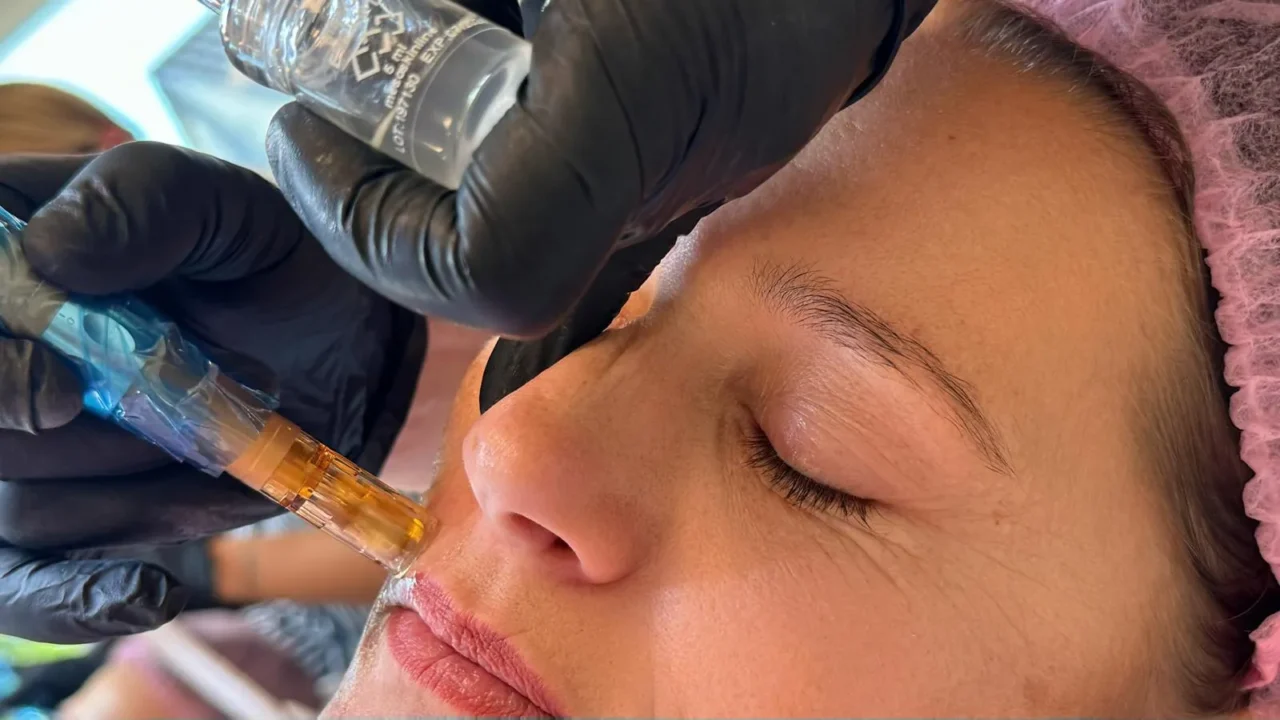
With devices like the MESOpower Pen, the industry now has tools to open micro-channels in the epidermis without triggering the same inflammatory cascade, allowing for efficient delivery of actives (like peptides, amino acids, and vitamins) without structural compromise.
This aligns not only with modern cosmetic dermatology’s move toward “strengthen, don’t strip” philosophies, but also with Australia’s updated safety framework for skin penetration procedures.
APHRA’s 1mm Depth Recommendation Explained for Skin Professionals
In response to growing concern around over-treatment, post-inflammatory complications, and scope creep, the Australian Health Practitioner Regulation Agency (APHRA) and Medical Board of Australia (MBA) have clarified that dermal therapists and beauty professionals must operate within clearly defined boundaries.
Microneedling procedures that penetrate beyond the epidermis (>1mm) are now increasingly regarded as medical-grade interventions and thus fall outside the scope of most non-medical practitioners.
This means that devices which exceed 1mm risk regulatory non-compliance and potentially place both practitioner and clinic at risk.
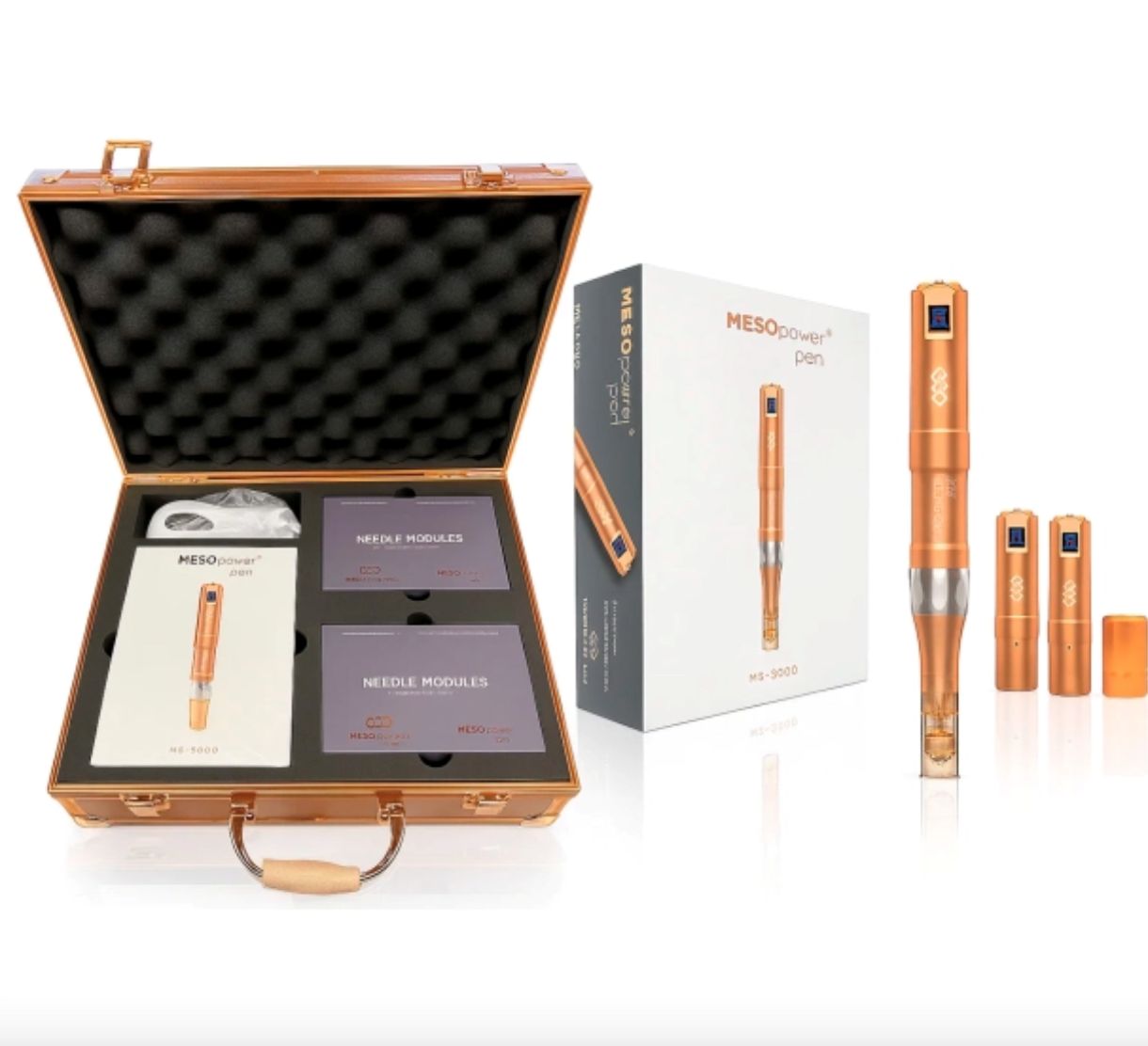
The MESOpower Pen was designed in direct response to this — engineered with fixed-depth, non-traumatic technology to ensure both compliance and consistency.
For practitioners, this means:
- Confidence in device legality
- Ability to market services within regulated scope
- Reduced insurance liability
- Safer treatment delivery with lower risk of complications
For clients, it ensures a higher standard of care and long-term skin safety.
Why Clients Are Ready for This
Today’s clients are more informed. They follow skin science, understand the microbiome, and often request treatments that prioritise barrier repair, hydration, and skin longevity over aggressive trauma.
Barrier-safe needling offers:
- No redness or bruising post-treatment
- Instantly visible glow and hydration
- No downtime or social withdrawal
- A more relaxing, approachable clinical experience
When positioned correctly, barrier-safe infusion becomes the new standard for modern skin renewal, not a compromise, but an upgrade.

How to Introduce Barrier-Safe Needling Into Your Treatment Menu
1. Reframe the Language: It’s Infusion, Not Injury
Avoid trauma-based marketing. Instead, lead with the benefits of transdermal delivery, cellular rejuvenation, and barrier preservation. Use client-centred terms like:
- “Glow with zero downtime”
- “Strengthen your skin while you treat it”
- “Advanced infusion — no damage required”
This positions your clinic as progressive, informed, and focused on long-term skin health, not quick trauma cycles.
2. Educate Your Team and Your Clients
Use visuals, in-clinic materials, or social content to highlight how barrier-safe systems like the MESOpower Pen differ from traditional rollers or aggressive devices. Show clients:
- A side-by-side post-treatment comparison (red vs. calm)
- The precision and depth control of 1mm-maximum devices
- Clinical benefits of actives reaching the epidermis without harm
Empower your staff to explain why non-traumatic needling isn’t just safer, it’s smarter.
3. Bundle for Results and Retention
Because barrier-safe treatments don’t require recovery time, they can be easily packaged into ongoing skin health programs. Examples:
- “Barrier Boost” Program — 3 sessions across 6 weeks for hydration, tone, and texture
- “Monthly Maintenance Infusion” — a recurring service for clients post-laser, peel, or RF
- “Pre-Event Radiance” — single-session skin glow with no risk of post-procedure flare
These packages make treatments repeatable and revenue-stable, especially for clients who want consistent results but can’t afford social downtime.
4. Use Compliance as a Differentiator, Not a Limitation
APHRA’s 1mm guidance has created a divide between high-risk trauma and responsible practice — and clients are noticing.
By highlighting your clinic’s commitment to regulatory alignment, client safety, and evidence-based modalities, you shift from being just another skin clinic to being a leader in skin health standards.
The MESOpower Pen is engineered precisely for this, giving you both clinical results and regulatory peace of mind.
Final Word: Barrier-Safe Needling Is Not a Trend — It’s a Turning Point
This is where aesthetic practice is going: away from pain, inflammation, and unpredictable recovery, toward science-led, barrier-supportive technologies that respect both skin and the person in it.
Clinics that move first and educate boldly — will lead this shift.
Discover the Technology Behind the Shift
The MESOpower Pen makes barrier-safe microneedling not only possible, but profitable — with regulatory alignment, multi-protocol integration, and consumable costs up to 70% lower than legacy systems.
Explore the MESOpower Pen at:
mesoskinline.com.au/products/mesopower-pen
Stay in the Glow
Get skincare tips and early access to new products.
