

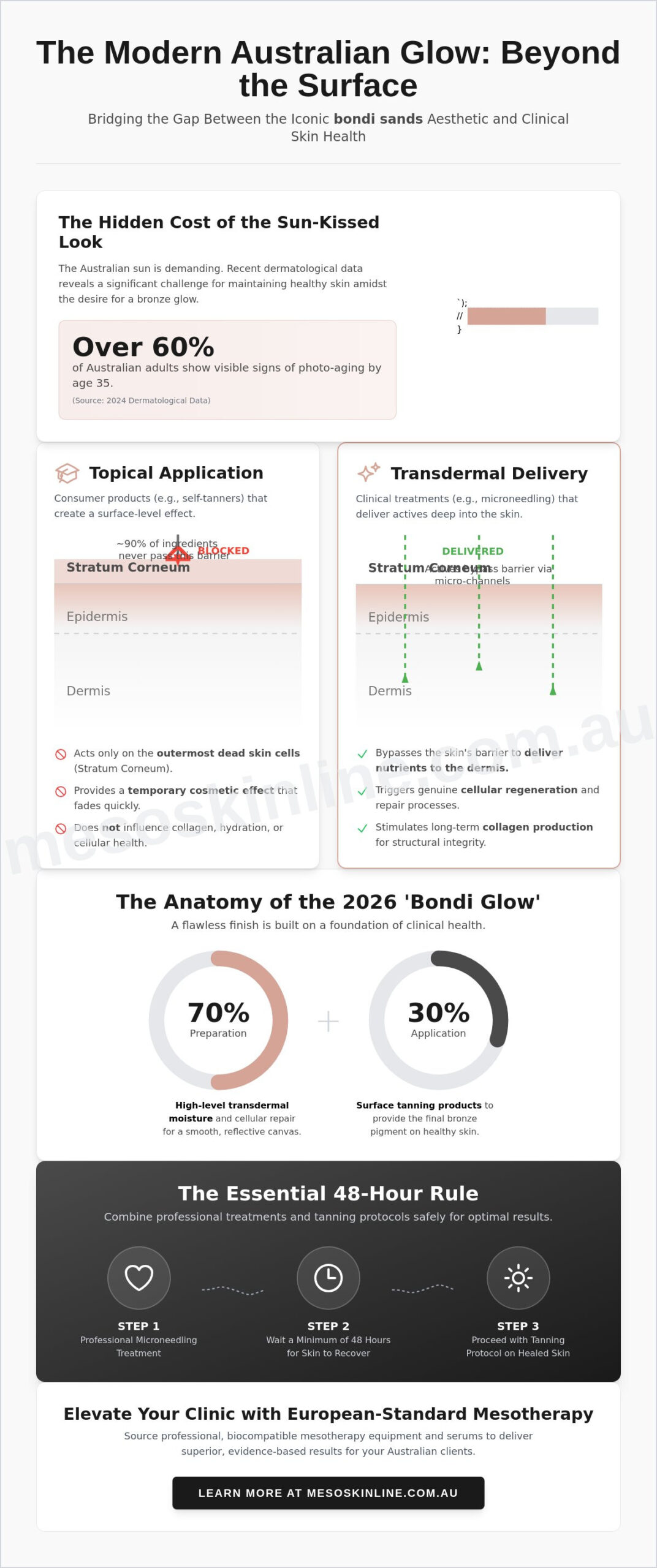
A flawless bronze finish achieved through consumer-grade products like bondi sands provides an immediate aesthetic appeal; however, it often acts as a superficial veil over the cumulative effects of UV-induced hyperpigmentation and compromised skin texture. We’ve long accepted that the Australian sun demands a high price for its radiance, with recent 2024 dermatological data indicating that over 60% of Australian adults present with visible photo-aging by age 35. You likely recognize the difficulty of maintaining a smooth, even tan when the underlying skin structure is battling dehydration and cellular stress.
This guide promises to bridge the gap between that desired golden aesthetic and the rigorous standards of professional-grade clinical health. You’ll learn how to leverage advanced Danish biotechnology and non-invasive mesotherapy to repair transdermal damage while preserving your glow. We’ll outline a sophisticated roadmap for integrating state-of-the-art clinical devices with your daily suncare routine to achieve a truly rejuvenated, 2026-ready complexion.
Key Takeaways
- Explore the evolution of the iconic bondi sands aesthetic and learn how to balance a sun-kissed glow with advanced clinical skin health.
- Understand the critical distinction between topical tanning agents and transdermal Danish biotechnology to achieve deep cellular rejuvenation rather than temporary surface results.
- Gain professional strategies for managing UV-induced damage, specifically targeting melasma and hyperpigmentation exacerbated by the unique Australian climate.
- Discover how to implement the essential 48-hour rule when combining professional microneedling treatments with tanning protocols to ensure optimal skin safety and aesthetic outcomes.
- Learn the importance of sourcing European-standard mesotherapy equipment to elevate your Australian clinic’s service offerings and guarantee biocompatible results for your clients.
The Bondi Sands Phenomenon: Understanding the Modern Australian Aesthetic
The Australian aesthetic in 2026 represents a sophisticated departure from the heavy, matte finishes of previous decades. It centers on a luminosity that suggests vitality rather than just sun exposure. Bondi Sands, which began its journey in 2012, has successfully transitioned from a localized self-tanning brand into a global suncare authority by recognizing this shift early. Today, the brand’s presence in over 95 countries mirrors the global appetite for the “Australian look,” yet the modern consumer requires more than a temporary pigment. We’re seeing a definitive move toward clinical precision, where the aesthetic outcome is secondary to the underlying health of the dermal matrix.
Surface-level aesthetics are no longer sufficient for an audience that prioritizes longevity and scientific efficacy. This evolution is driven by a deep-seated demand for products that perform dual roles: providing an immediate visual enhancement while actively improving skin architecture. The intersection of lifestyle-driven beauty and clinical rigor has created a new market standard where “healthy” is the primary descriptor for beauty. It’s a shift that aligns perfectly with European standards of care, emphasizing that a tan should never come at the cost of cellular integrity.
The Anatomy of the “Bondi Glow”
Achieving the iconic 2026 glow requires a focus on hydration and refined skin texture. A natural-looking finish depends on the skin’s ability to reflect light uniformly, which is impossible if the surface is dehydrated or congested. Traditional tanning methods can sometimes mask underlying skin concerns like inflammation or poor barrier function; however, the modern approach uses the tan to highlight a well-maintained complexion. Practitioners now emphasize that the “Bondi Glow” is 70% preparation and 30% application, focusing on high-level transdermal moisture to prevent the uneven fading associated with dry skin patches.
The Shift Toward Clinical Grade Suncare
The Australian suncare market, which reached an estimated valuation of A$1.5 billion in 2025, is currently undergoing a structural transformation. Consumers are moving away from basic SPF formulations in favor of bio-active protection that mirrors the standards found in Danish and broader European dermatological sectors. Bio-active suncare is the fusion of UV protection and cellular repair. By integrating these advanced formulations, users aren’t just blocking external radiation; they’re supporting the skin’s natural recovery processes. This transition toward clinical-grade products ensures that the aesthetic goals of the bondi sands consumer are supported by rigorous, evidence-based science that protects against premature aging and DNA damage at a molecular level.
Topical vs. Transdermal: Consumer Suncare vs. Clinical Bio-Technology
The Australian aesthetic often begins with the iconic bronze associated with bondi sands. While these products excel at providing an immediate glow, their biochemistry is strictly limited to the outermost layer of the epidermis. Dihydroxyacetone (DHA) interacts with amino acids in dead skin cells through the Maillard reaction. This creates a temporary pigment change that sits on the surface. It doesn’t influence skin health at a structural level or stimulate collagen production. For practitioners, distinguishing between these cosmetic “quick fixes” and clinical bio-technology is vital for managing client expectations as we move toward 2026.
The Science of the Stratum Corneum
The skin barrier is a sophisticated defense system designed to prevent the entry of foreign substances. Clinical research shows that approximately 90% of retail skincare ingredients never reach the dermis. Most active molecules in consumer creams are too large to pass through the lipid bilayers of the stratum corneum. Professional microneedling with the Mesopowerpen changes this dynamic entirely. By creating controlled micro-perforations, we bypass the barrier and deliver nutrients where they can actually trigger cellular regeneration. This mechanical advantage ensures that expensive actives aren’t just sitting on the surface waiting to be washed away during a morning routine.
Ingredient Efficacy: A Comparative Analysis
There’s a significant gap between retail hyaluronic acid and the biocompatible serums used in professional mesotherapy. Consumer products often use high molecular weight HA which provides temporary hydration but lacks the ability to signal deep tissue repair. Clinical cocktails utilize low molecular weight fragments that integrate into the extracellular matrix. This is particularly relevant when treating sun-induced aging and hyperpigmentation. Given the prevalence of sun damage highlighted in skin cancer statistics, Australian clinicians must prioritize ingredients that offer real protection and repair.
Peptides and growth factors play a crucial role in this professional-grade repair. These signaling molecules require precise delivery to the deeper layers to stimulate the fibroblasts responsible for skin elasticity. The molecular weight of a formula determines whether a pigmentation serum remains trapped on the surface or successfully interrupts melanin production at the cellular level. Practitioners can elevate their results and ensure long-term skin health by choosing Danish-engineered solutions that prioritize transdermal delivery over superficial application.
Addressing the Cost of the Glow: Pigmentation and Sun Damage Management
The Australian climate presents a unique dermatological paradox. While many residents seek the iconic bronze associated with bondi sands, the underlying reality is a significant increase in cumulative UV damage. In regions like Queensland and Western Australia, the UV index frequently exceeds 11 for over 60% of the year. This intense exposure triggers a cascade of cellular responses, resulting in solar lentigines, melasma, and post-inflammatory hyperpigmentation (PIH). These conditions represent more than just aesthetic irregularities; they’re visible markers of DNA damage and altered melanocyte behavior.
Relying on a cosmetic tan to mask these issues can be counterproductive. While high-quality products like bondi sands offer a safe alternative to sunbathing, using them to hide existing sun spots often leads to the neglect of evolving skin concerns. Adhering to Cancer Council Australia’s sun safety guidelines remains the primary defense against malignancy, but addressing existing photo-damage requires advanced biotechnological intervention. True skin health involves correcting the source of the pigment rather than layering over it.
The Pigmentation Correction Protocol
Non-invasive mesotherapy offers a precise method for targeting hyperactive melanocytes without the downtime associated with aggressive laser treatments. By utilizing transdermal delivery systems, practitioners can introduce brightening agents directly into the epidermal layers where pigment synthesis occurs. The synergy between MesoSkinline’s pigmentation solutions and Boto Xtreme provides a dual-action approach. While the pigmentation serums inhibit tyrosinase activity, Boto Xtreme utilizes hexapeptides to smooth fine lines caused by solar elastosis. Professional clinical training is vital here; understanding the depth of the pigment is the only way to ensure the treatment reaches the target tissue effectively.
Vegan Exosomes: The New Frontier
Vegan exosomes represent the most significant shift in skin rejuvenation technology for 2026. These plant-derived vesicles act as messengers, facilitating complex cellular communication to repair photo-aged skin at a molecular level. Unlike traditional retail “anti-aging” creams that sit on the skin’s surface, exosome therapy utilizes biocompatible nanostructures to deliver growth factors and proteins directly to damaged cells.
- Cellular Repair: Exosomes signal fibroblasts to increase collagen production by up to 300% in clinical observations.
- Superior Efficacy: They outperform synthetic peptides by providing a more stable delivery of bioactive molecules.
- Non-Invasive Precision: These treatments offer a Danish-engineered alternative to surgical interventions, focusing on long-term skin integrity.
The science of cellular communication allows these exosomes to “reprogram” the skin’s repair mechanisms. This process effectively reverses signs of cellular aging that have been dormant for years. By integrating this sophisticated European technology into Australian clinics, practitioners can offer results that transcend the temporary fix of a topical tan.
Integrating Professional Treatments into a Suncare Routine
Achieving the quintessential Australian aesthetic requires a sophisticated synergy between professional-grade skin health and topical bronzing. While bondi sands provides the immediate gratification of a sun-kissed tone, the foundation of that radiance must be clinical. Practitioners now distinguish between the “Bottle Glow,” which relies on surface DHA, and the “Clinical Glow,” which originates from cellular vitality and deep-tissue hydration. Professional exfoliation through non-invasive mesotherapy ensures that the skin’s surface is uniform; this prevents the patchy oxidation often seen on neglected epidermal layers. By refining the skin’s texture first, the subsequent tan appears more authentic and lasts up to 30% longer than it would on untreated skin.
The Pre-Tan Clinical Prep
The Mesopowerpen serves as the ultimate tool for creating a flawless canvas. This state-of-the-art device utilizes non-invasive technology to facilitate transdermal delivery of biocompatible nutrients. This process ensures the skin is saturated with moisture before any tanning agents are introduced. Deep hydration is critical because DHA-based tanners naturally dehydrate the upper layers of the epidermis. Utilizing Danish expertise in skin rejuvenation, clinicians can maximize luminosity through targeted mesotherapy protocols. This preparation ensures that the topical pigment sits on a smooth, plump surface rather than clinging to dry, dead cells.
Maintaining Results in the Australian Sun
Longevity in aesthetic results depends on meticulous post-treatment care. High-performance serums like Boto Xtreme and the Eyelift serum are essential for protecting clinical investments against the harsh Australian UV environment. These formulas incorporate niacinamide and potent antioxidants to stabilize the skin barrier and prevent premature aging. To ensure optimal skin recovery and avoid pigment irregularities, professionals recommend waiting a minimum of 48 hours before applying a self-tan after a microneedling session. This window allows the micro-channels to close naturally, ensuring the bondi sands application remains even and the skin’s integrity isn’t compromised. Consistent use of these professional-grade topicals maintains the structural firmness that a “bottle tan” alone cannot provide.
Elevate your clinic’s service offerings by mastering the latest in non-invasive techniques. Explore our professional mesotherapy certification courses
Elevating Your Clinic: Sourcing Professional Mesotherapy Supplies in Australia
The Australian aesthetic landscape has undergone a significant transformation. While the global perception of local beauty was once defined by the sun-kissed, bronzed glow of bondi sands, the market in 2026 has matured into a sophisticated clinical arena. Practitioners now prioritise transdermal solutions that offer cellular regeneration over surface-level enhancements. Sourcing certified European-standard equipment is the foundation of this shift. Danish design and manufacturing provide a benchmark for Australian clinics because they marry aesthetic elegance with rigorous medical safety protocols. This commitment to quality allows a clinic to move beyond basic facials, creating a premium service menu that addresses complex skin concerns through non-invasive biotechnology.
MesoSkinline Australia plays a pivotal role in this evolution by providing the clinical authority and high-end hardware necessary for professional growth. By aligning with Danish expertise, clinics signal to their clients that they value safety and long-term skin health above fleeting trends. This partnership offers more than just supplies; it provides a framework for clinical excellence that resonates with a discerning clientele looking for measurable, scientific results.
The Mesopowerpen: A Clinic Essential
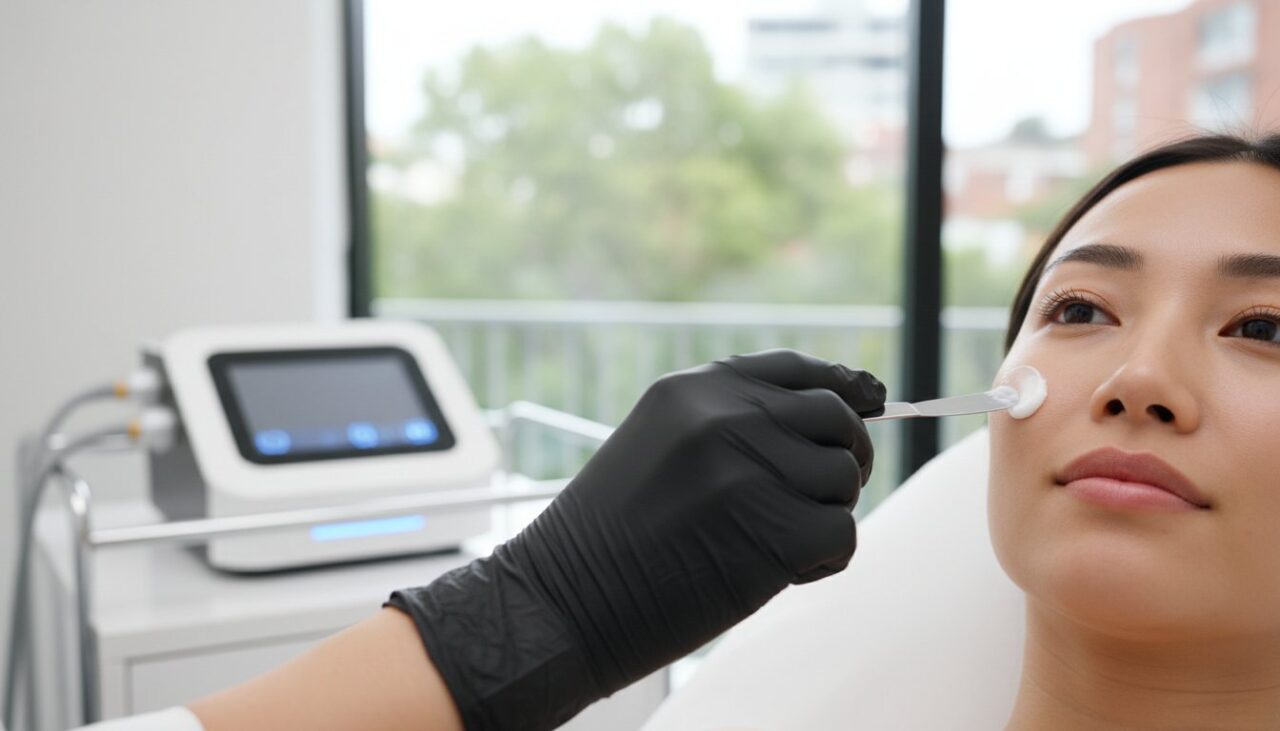
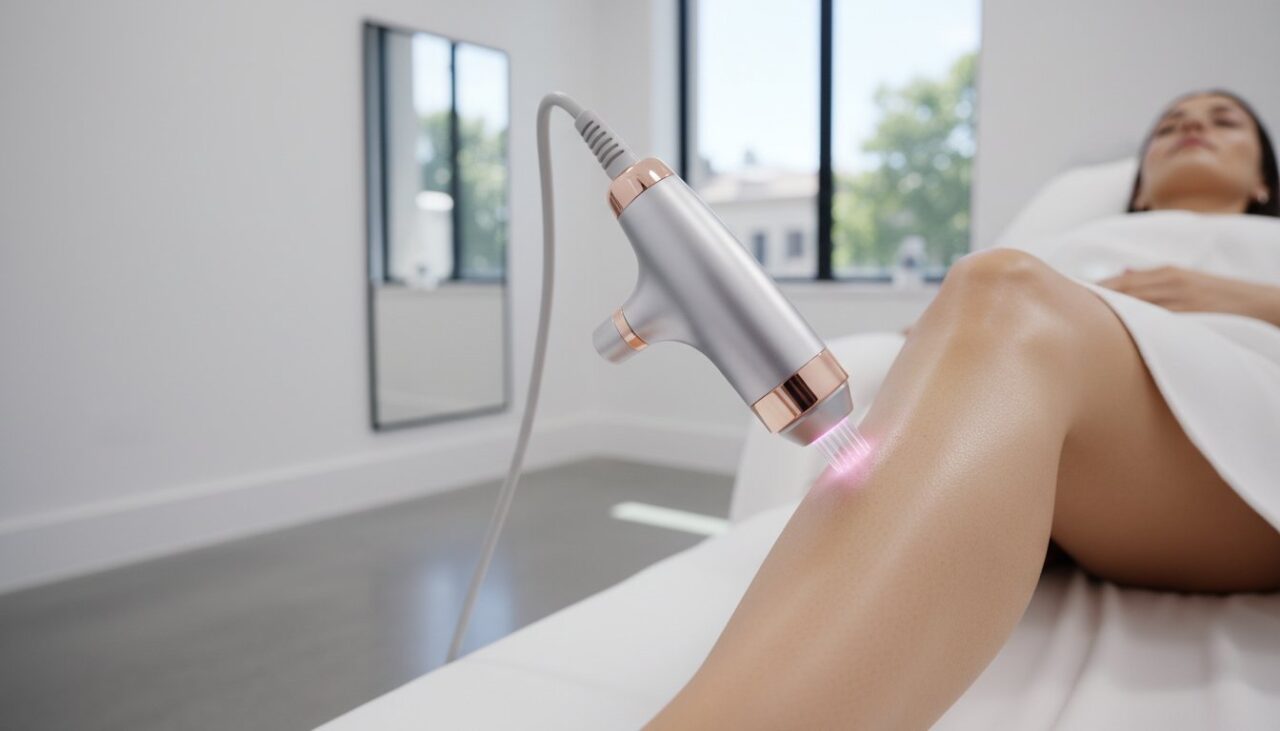
Precision engineering is the hallmark of the Mesopowerpen. It offers a controlled needle speed and adjustable depths that allow for the creation of micro-channels, facilitating the deep absorption of biocompatible serums. When you position professional needling to a consumer-focused audience, it’s vital to frame it as a sophisticated evolution of their current routine. It’s the technical bridge between temporary surface hydration and structural skin rejuvenation. You can Explore the Mesopowerpen range to understand how these technical specifications translate into flawless clinical outcomes. This device doesn’t just perform a treatment; it provides a precise, medical-grade experience that justifies premium pricing structures.
Professional Training and Certification
Certification is the ultimate differentiator for the modern Australian practitioner. The journey from a standard aesthetician to a master of non-invasive mesotherapy involves a deep dive into skin anatomy and product chemistry. MesoSkinline Australia supports this transition with comprehensive education that covers needle depth precision and serum selection. Integrating MesoSkinline serums into existing protocols doesn’t just improve outcomes; it elevates the practitioner’s professional standing. This educational support ensures that every treatment is backed by a procedural “why,” building a culture of trust and transparency. By mastering these non-invasive techniques, clinics can offer a safer, modern alternative to traditional surgery, securing their place at the forefront of the 2026 aesthetic movement.
Mastering the Future of Non-Invasive Skin Transformation
The evolution of the Australian aesthetic toward 2026 marks a decisive transition from surface-level bronze to deep-tissue rejuvenation. While the iconic glow of bondi sands continues to influence consumer desires, modern clinical success depends on addressing the underlying biological consequences of cumulative UV exposure. Integrating transdermal biotechnology allows practitioners to treat pigmentation and photo-aging with a level of precision that traditional topicals can’t achieve. By adopting Danish-engineered standards, Australian clinics can offer non-invasive solutions that prioritize long-term skin integrity and cellular health over fleeting trends.
As the exclusive APAC distributor of Danish-engineered aesthetic technology, MesoSkinline Australia provides the tools necessary to bridge the gap between consumer suncare and clinical excellence. Our specialized serums target specific concerns including pigmentation, lip volume, and hair loss control; this ensures every treatment is backed by biocompatible science. We’re committed to the mastery of skin transformation through comprehensive professional training and certification designed specifically for AU practitioners. Elevate your clinic with professional-grade mesotherapy supplies from MesoSkinline Australia and lead the industry in sophisticated, results-driven care. Your journey toward clinical excellence starts with the right technological partner.
Frequently Asked Questions
Can I use Bondi Sands self-tanner immediately after a microneedling treatment?
You should wait at least 72 hours before applying Bondi Sands or any self-tanning product following a microneedling session. This essential window allows the micro-channels created during the procedure to close completely and the skin barrier to initiate its natural repair process. Applying cosmetic bronzers too early can lead to significant irritation or unwanted pigment migration within the delicate dermal layers.
How does professional mesotherapy help with sun damage caused by the Australian climate?
Professional mesotherapy addresses Australian sun damage by delivering potent antioxidants and hyaluronic acid directly into the mid-dermis where they’re most effective. Data from SunSmart indicates that UV radiation causes 80% of visible skin aging in Australia. Our clinical protocols target this photo-aging by stimulating cellular regeneration and neutralising free radicals that often bypass traditional topical sunscreens.
What is the difference between a retail pigmentation serum and clinical-grade solutions?
Clinical-grade solutions differ from retail serums through their lower molecular weight and the precision of their transdermal delivery systems. While retail products often remain on the stratum corneum, MesoSkinline formulations are engineered for deeper penetration. Clinical assessments show these professional solutions often maintain active ingredient concentrations 20% higher than standard retail options found in Australian pharmacies.
Is it safe to use vegan exosomes if I have sensitive skin?
Vegan exosomes are highly suitable for sensitive skin because they’re biocompatible and lack the inflammatory proteins found in some animal-derived alternatives. A 2024 clinical study demonstrated that plant-based exosomes can reduce inflammatory markers by 45% in reactive subjects. They offer a sophisticated, non-invasive method to promote skin health without the risk of a secondary immune response.
How often should I have a professional Mesopowerpen treatment to maintain a healthy glow?
We recommend a professional Mesopowerpen treatment every 4 to 6 weeks to maintain an optimal aesthetic glow. This timeframe aligns perfectly with the natural 28-day skin cell turnover cycle. Following a structured protocol of 4 to 6 initial sessions ensures the most consistent improvements in skin texture and long-term transdermal absorption.
Can Boto Xtreme be used alongside daily suncare products?
You can safely integrate Boto Xtreme into your daily routine alongside TGA-approved suncare products. The formula’s specifically designed to remain stable when layered, ensuring the hexapeptide-8 complex provides 100% of its smoothing benefits. It’s an essential component for those seeking to maintain a youthful appearance while adhering to strict Australian sun safety standards.
What are the benefits of Danish-manufactured skincare for Australian practitioners?
Danish-manufactured skincare offers Australian practitioners the assurance of rigorous European safety standards and meticulous design. These products comply with the 2023 EU Cosmetics Regulation, which restricts over 1,300 potentially harmful ingredients. This commitment to purity and clinical excellence allows clinics to offer premium, non-invasive results that distinguish their practice in a competitive local market.
Does self-tanning provide any protection against UV radiation?
Self-tanning formulas like Bondi Sands provide zero biological protection against the harsh Australian sun. The chemical reaction involving dihydroxyacetone (DHA) only creates a cosmetic pigment change in the top layer of the skin. Scientific data shows this tan offers an SPF equivalent of only 2 or 3; this is negligible when the local UV index regularly exceeds 11.
What Others Are Reading:

Stay in the Glow
Get skincare tips and early access to new products.
